
Spring is a natural time of year for a wardrobe tidy, but in the process of packing away your winter wear, you are often confronted with the sheer volume of clothing accumulated over the years (or decades.)
According to a study on clothing habits from WRAP, a climate action NGO, the average UK adult has 118 items of clothing – of which a quarter will go unworn for at least a year.
It can be difficult parting with pieces – there's often that nagging feeling that you might one day suddenly have need for them. That's why many people turn to tried-and-tested decluttering techniques to help, not least those popularised by social media – including the 90/90 decluttering rule.
What is the 90/90 decluttering rule?


The premise is simple if somewhat blunt: if you haven't worn something in 90 days and don't see yourself wearing it in the next 90 days (around three months), then it's out the (wardrobe) door.
The term was coined Joshua Fields Millburn and Ryan Nicodemus of The Minimalists Podcast and stars of a 2020 Netflix documentary The Minimalists: Less is Now. Their goal is to help people streamline their lives and make it a little easier to let something go. As they put it on their blog: “Rules can be arbitrary, restrictive, boring – but they are often helpful when we hope to make a change.”
Shop baskets for organisation

Palm Leaf Storage Basket


The Minimalists do advocate flexibility, suggesting for likes of a seasonal wardrobe, the 90 days could be extended to 120 days, or six months. They also follow a "20/20" rule – if they can replace something they truly need for less than $20 in less than 20 minutes from their location, then the item can go.
"Whatever your rule, be honest with yourself. If your material possessions don’t serve a purpose or bring you joy, then they are likely in the way of a more meaningful life."
What about the KonMari method?
The element of "joy" brings to mind one of the most well-known declutterers, Marie Kondo, who espouses her trademark KonMari method – a quasi-philosophical system that questions whether each of our belongings spark joy.
"Pay attention to how your body responds. Joy is personal, so everyone will experience it differently," she says. Kondo has described this feeling as "...a little thrill, as if the cells in your body are slowly rising.”
"Through the process of selecting only those things that inspire joy, you can identify precisely what you love – and what you need," she adds.
But which method actually works? We asked two professional declutterers to weigh in...
Try a combination of decluttering methods
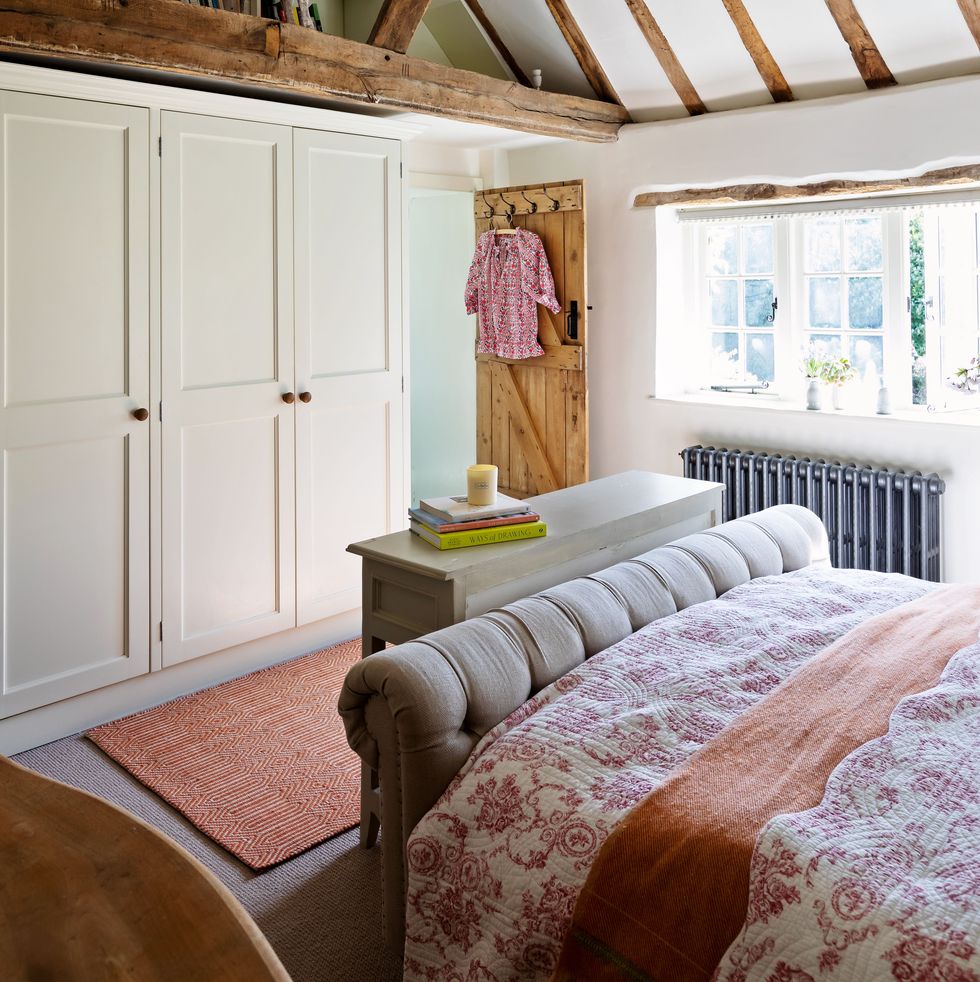

Katherine Blackler, a professional organiser and owner of SortMySpace, favours a six-month timeframe for wardrobe decluttering. She also uses the KonMari method with her clients, pulling everything out and sorting clothes into categories – jeans, socks, leggings, t-shirts, blouses etc – to see where there is a surplus.
"Emptying the furniture allows you to see the full potential of the available storage space but you also have to justify putting back each item," she tells Country Living. "By having to consciously decide to put it back, you're more likely to be more honest about what you really do need and want to keep in your life."
Dani Coha, founder and owner of London-based Wardrobe Fairy, also uses a variety of techniques tailored to her clients. "The 90/90 method helps clients focus on what is truly important and necessary in their life, making it easier to let go of things they no longer need." She also suggests creating separate piles for items to 'keep', 'donate', 'sell' and 'discard.'
"Declutterring and organising at the same time is a process, and it's okay to take time with it," she says.
Shop wardrobe and draw organisers

Natural Felt Drawer Organiser Bundle

KOMPLEMENT Wardrobe Organiser

Like-it Modular Plastic Storage Drawer
Stay true to your personal style
Katherine stresses the importance of letting go of clothes you may have bought for what she terms "your fantasy self." She says: "You might admire clothing on somebody else, only to find that they aren't the most flattering for you or you don't feel comfortable in them."
If money allows, she often advises clients to invest in a personal styling session to help them find the styles and colours that work best for them. Dani too works with a personal stylist and finds that advice can prevent clients making costly mistakes in the future.
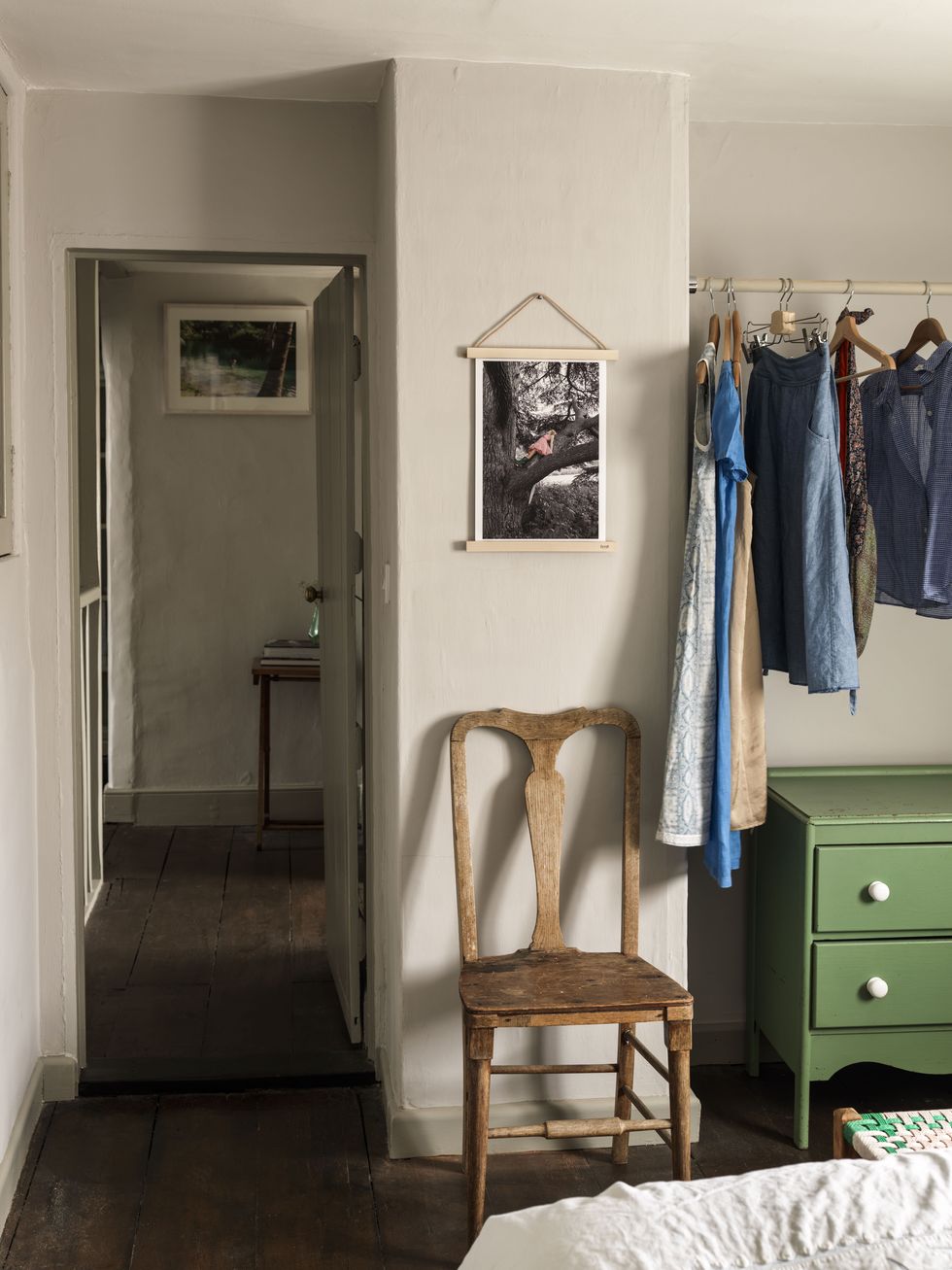

However, Katherine warns against being too ruthless. "Decluttering is not about scalping your place and leaving yourself devoid of all variety and enjoyment," she says. "The William Morris quote 'Have nothing in your houses you do not know to be useful or believe to be beautiful' encourages you to have uplifting items around you, even if they don’t serve a practical purpose." She also warns against comparing yourself to others online as the completely pared-back, hyper-organised spaces we see on social media can often be heavily staged.
Leave sentimental pieces until the end
Katherine recommends deciding on special pieces at the end of the process. She adds: "Have a box or bag to one side to collect sentimental items so you don’t lose momentum getting the lion’s share sorted." For anything unlikely to be worn again, if it's particularly precious, she suggests researching companies that make the likes of memory bears or quilts with swatches of the fabric.


