
The start of the year is a great time to sort out the garden and give it an early spring clean, like getting stuck in with tidying borders, sweeping patios, draining waterlogged lawns, sorting bird-feeding stations, pruning shrubs and sowing the hardiest veg, among other jobs.
But with the first signs of spring upon us, you may be wondering when to start planting out warmer-weather varieties post-frost.
In the UK, the last frost date differs significantly by region and varies from year to year. Estimated dates range from early March to the end of June, with the majority falling between mid-March and late April. The earliest date for the last frost is the 11th of March, especially in areas such as Bristol, Cardiff, Dorchester and Easton.
Plant Maps is a free online tool that uses weather data from previous years to predict the last frost dates, with areas divided into 17 colour-coded zones. Of course, temperature is not the only factor to consider and other differentials such as rain, wind, elevation and shelter also determine how different plants fare, as well as a location's soil profile.
The RHS has its own plant hardiness rating system, which you can cross-reference with its plant search function to work out which species will best thrive in your space and when. Be sure to keep updated with your local weather forecast, too.


Where has the earliest predicted last frost date in the UK?
According to Plant Maps data, areas in the south east and south west of England have some of the earliest last-frost dates, particularly coastal locations and large cities. Areas like Maidstone, Gloucester and Dorchester will see some of the first dates in mid March.
Other coastal parts of Kent and East Sussex have predicted last frost dates very soon, from mid to late March. The likes of Yeovil in Somerset and Bristol also share this time period, as do Weymouth in Dorset, and St Ives in Cornwall.
Wales' capital, Cardiff, also has last frosts predicted at this time, along with London. Likewise, gardeners in Swansea and Penzance should be able to say goodbye to frost by the end of March too.
The majority of the UK will see last frost dates taking place throughout April. A full list can be seen here.
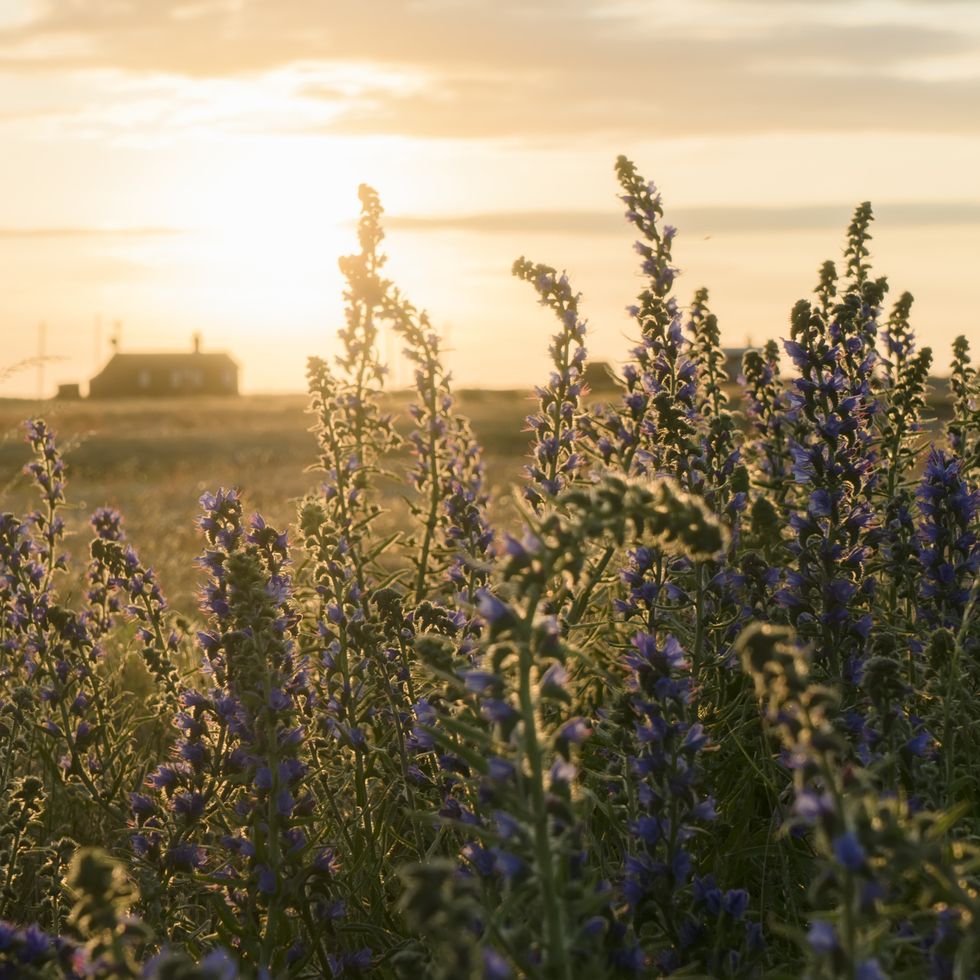

Which area has the latest frost in the UK?
At the other end of the spectrum, the UK's mountainous areas unsurprisingly have some of the latest last frosts, notably the Scottish Highlands – home to the UK's tallest mountains – where last frosts are estimated to be between 11th and 20th June. Other areas with late frosts (typically occurring in May), according to the data, include Aberdeen, Aberystwyth, Edinburgh, Exeter, Guildford, Shrewsbury and parts of South Yorkshire.
Generally speaking, last frosts get later as you go further north, but there is a lot of variety so it is always worth checking local forecasts.
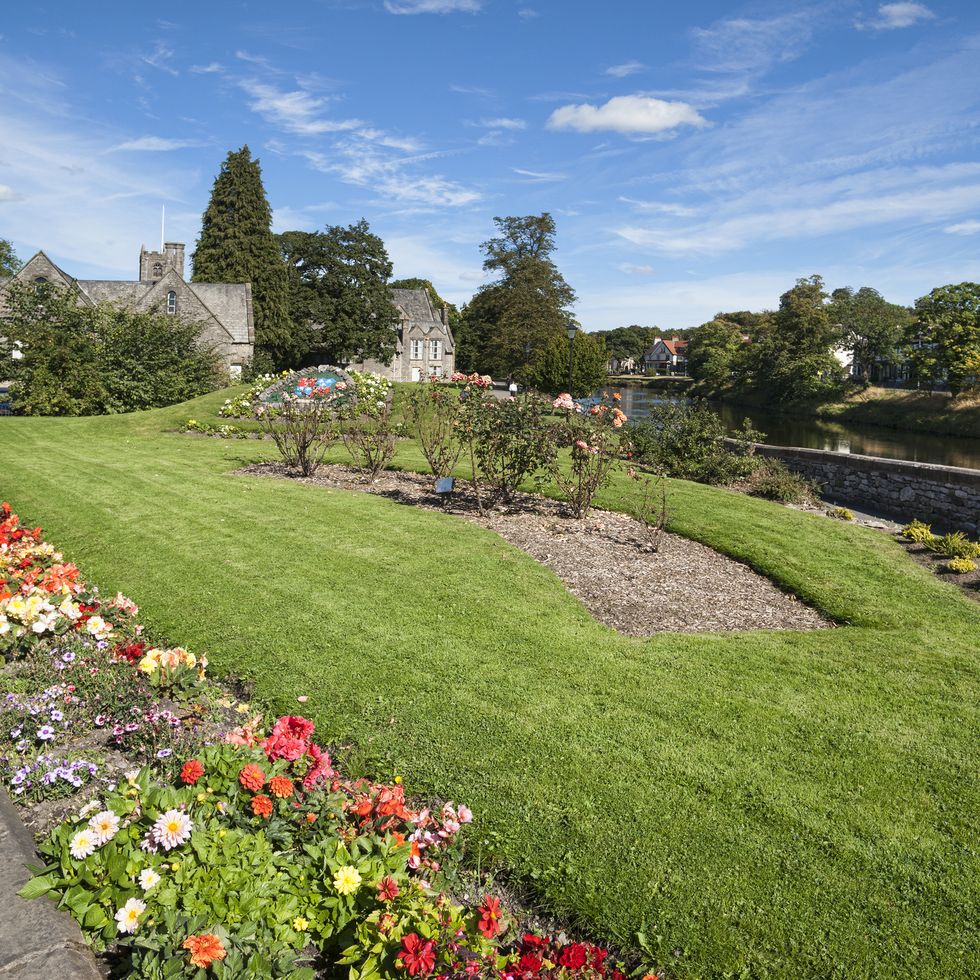

Is there anywhere in the UK where gardeners can avoid frost?
According to Plant Maps data, on the Isles of Scilly off the Cornish coast, there is rarely frost. However, gardeners there have to contend with the other challenges that come from living on small islands.
Shop now: summer flowering bulbs


Iris 'Autumn Encore' (Reblooming)Iris germanicaBearded Iris


Lizzie is the multiplatform editor at Country Living, where you’ll find her writing about unique property market finds and dreamy UK staycation spots. Her specialisms include interiors, property, wildlife, travel, slow living and more. Previously, she’s written for Metro, Evening Standard, Ideal Home, Woman & Home and various other home and lifestyle titles. Lizzie studied English Literature at University of Liverpool, where she also was a writer and editor for her uni paper.


