

With strong sun exposure and increasing temperatures, it's vital we keep our garden plants cool during the blistering heat. From adding mulch to watering in the evening, there are lots of ways to minimise moisture loss.
Even when you're prepared, high levels of heat can change your garden from green to scorched in a short space of time. Need some advice? Take a look at how you can keep your garden thriving this summer...
1. Protect your pots
Protecting your plants from the destruction of heat includes grouping them in a shady position, placing them up against a wall for stability, and watering them throughly — especially in the evening.
If you're feeling creative, why not have a go at making your own watering devices to ensure your plants get a regular top-up? The Greenhouse People explain: "Simply rinse and fill a wine bottle with water, push in a cork and create a hole going through the entire length of the cork. Insert the wine bottle upside down into the plant and it will be hydrated for up to three days."


2. Mulching
To protect plants from heat, consider adding mulch. As well as providing long-lasting moisture and nutrients, mulching also cleverly suppresses weeds. To do this, place a thick layer of mulch on the top few inches of soil where root activity occurs and it will reduce the amount of watering needed.
As well as this, The Greenhouse People suggest opting for vermiculite — a naturally occurring mineral with tons of nutrients. "This can be found in potting soil or purchased by itself. A miracle product for gardeners, vermiculite increases nutrient retention and aerates the soil, resulting in healthier plants," the team add.
3. Leave grass clippings on your lawn
When you cut your grass during spring and summer, leave the clippings on the lawn. Not only will they add back nutrients and hydration, but a pile of clippings will provide light shade to the soil, protecting your lawn from soaring temperatures. Alternatively, you can also pile the clippings on flower beds to shield them from the heat, too.


4. Plant wildflowers
"Scatter wildflower seeds over a patch of unused lawn to create a pollen-rich haven for bees, butterflies and insects," The Greenhouse People say. "Grow climbers like ivy and roses to give year-round cover for birds and relax when it comes to weeds. Plants such as nettles, daisies and buttercups are important sources of food for critters."
With insects in full force, they'll be looking for some shelter (and refreshing water) in your garden. Don't forget to refill your bird bath with water for birds to cool off.


5. Change your watering schedule
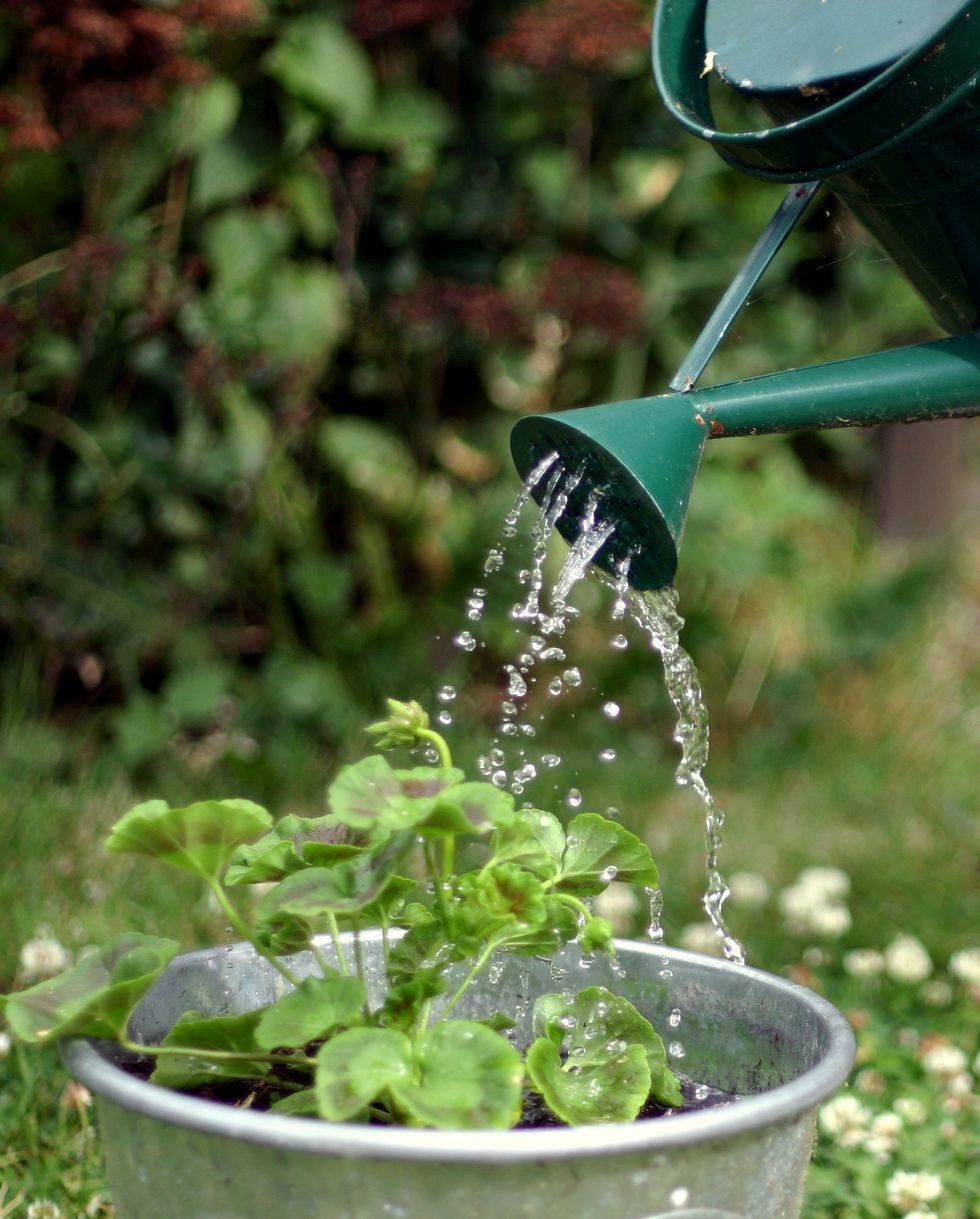
To prevent your plants from hanging their heads in summer, they need plenty of water to survive. Since they tend to drink more when it's hot, it's best to water them in the evening once the sun has gone down (or in the cool of the morning). Avoid watering in full sun, as water will evaporate before it can properly wet the soil.
6. Avoid using weed killer
"Although your grass can be incredibly resilient at times, it's best to avoid using any weed killer during the heatwave, as it's another unnecessary stress for your healthy grass to fight off," says Matt Adams, Lawn Feed Expert and Founder of The Relentless Gardener.
"As the heat takes over, plant growth slows down and the leaves dry out, reducing the amount of herbicide that weeds can absorb – so even if you want to remove weeds, chances are they're not budging until after the sun anyway."

11 pretty picnic blankets for outdoor dining in style

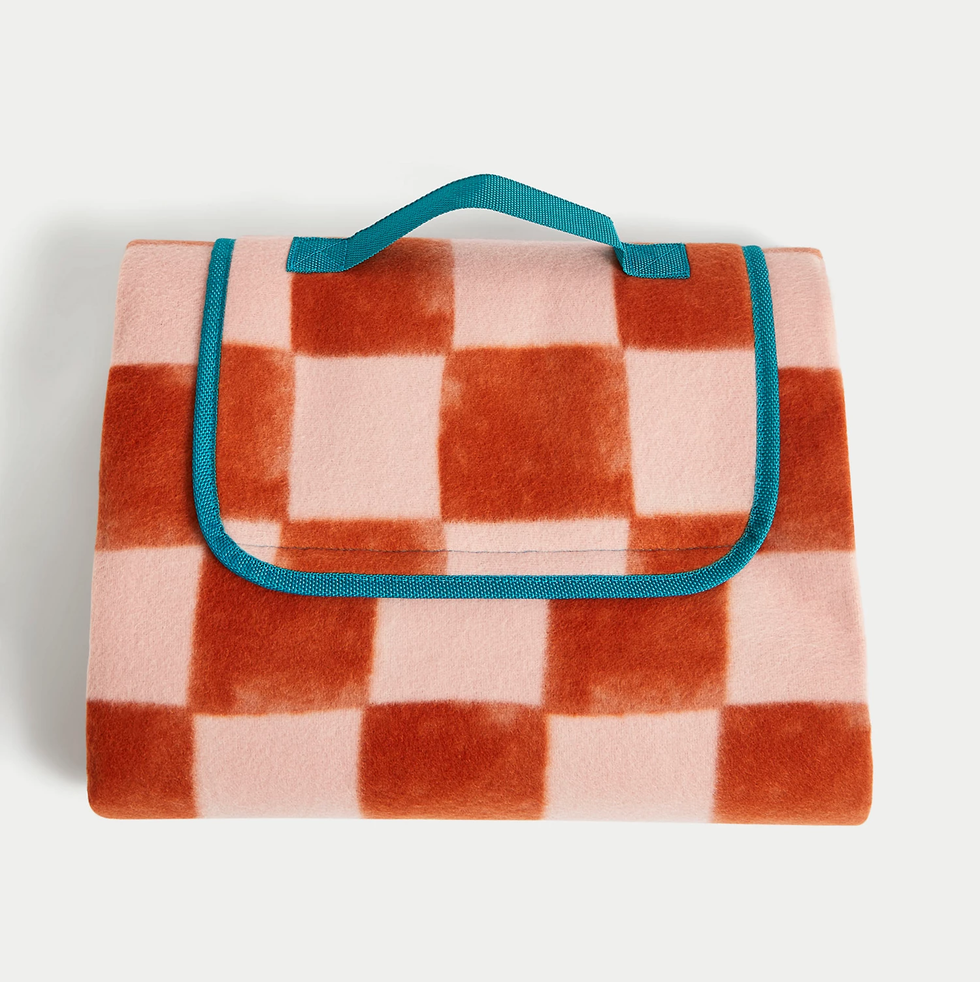
This M&S foldaway picnic rug leans into the popular 1970s interior trend with its punchy colour combination and retro-inspired chequered print.
Pair it with the matching serving tray and snack bowls for a coordinated dining scheme.
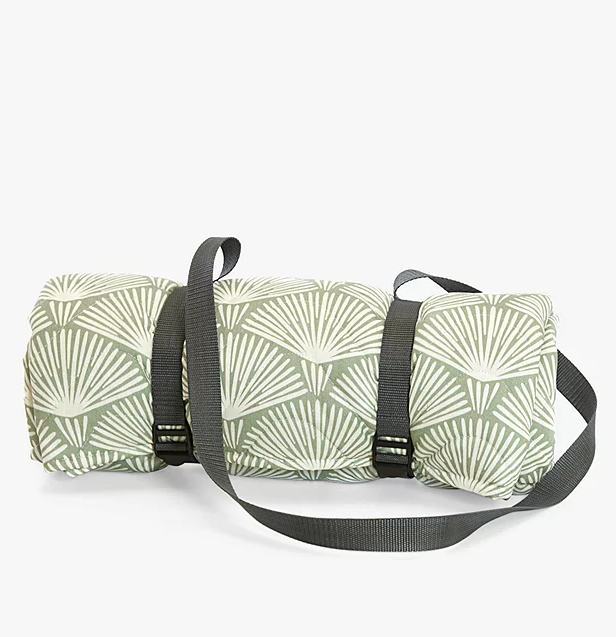
John Lewis & Partners Quilted Picnic Rug
This blanket’s tropical print makes it a fitting choice for summer — mainly as it’s reminiscent of sunny holidays relaxing on the beach.
Earthy tones will complement the green motif, so style it with a woven picnic basket and wooden dinnerware for a rustic look.
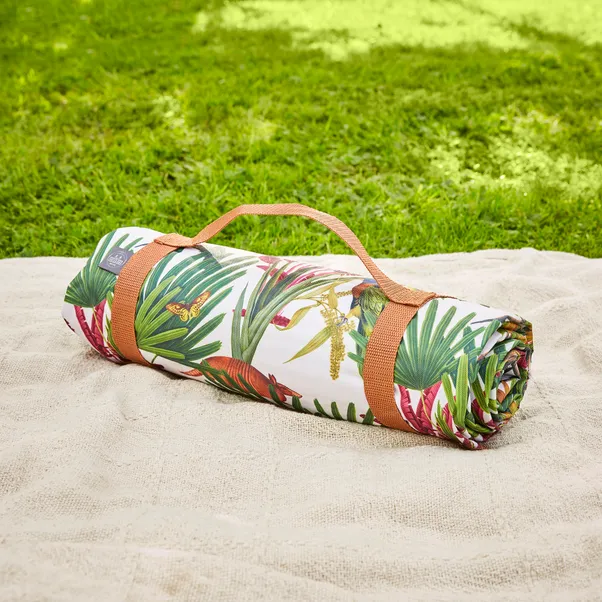
Dunelm Tropical Birds Picnic Blanket
This blanket, part of Dunelm’s ongoing collaboration with the National History Museum, is designed to celebrate the wonders of the natural world.
Its vibrant print will create a cheerful and inviting atmosphere for garden gatherings and family picnics. Style it with simple, minimalist tableware so that the eye-catching pattern remains the focal point.
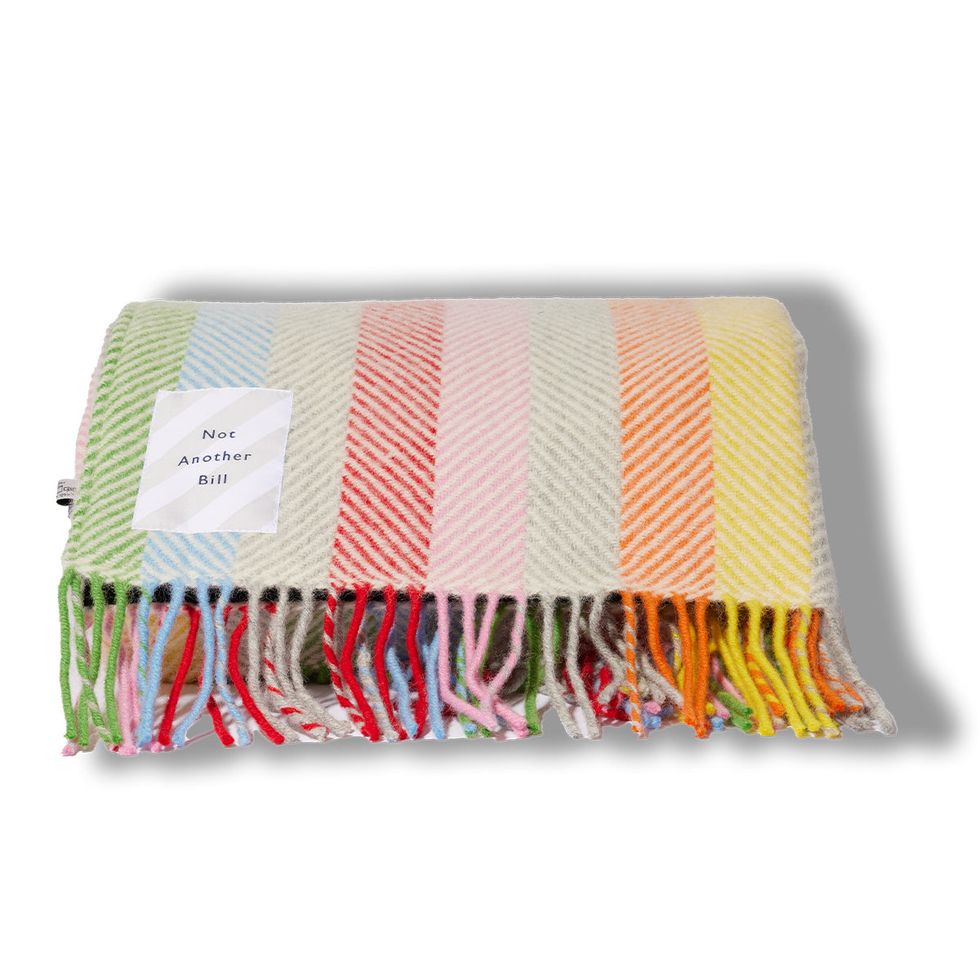
Tweedmill Picnic Blanket
This blanket’s rainbow stripes add a modern twist to the classic Herringbone pattern, making for a stand-out piece.
Mismatched dinnerware in various colours will add to the fun, or stick to neutral accessories to make the multi-coloured print pop.
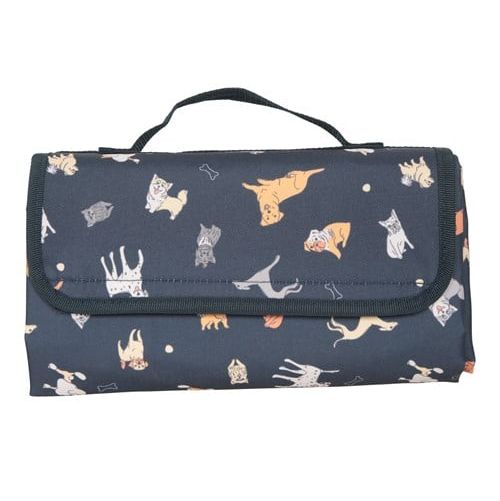
Mountain Warehouse’s patterned picnic blanket is ideal for camping or hiking — it's lightweight, easy to carry around and folds up compactly.
Its playful puppy print will appeal to dog lovers, whether you’re treating yourself or gifting a fellow pet owner.

This hardy picnic blanket is both stylish and practical, allowing you to set up your meal just about anywhere! It's lightweight and can roll up into a bag meaning it's easy to move around. And it's also waterproof, meaning no one needs to get soggy if you're sat on damp grass or sand.
Helpfully, there's also a hole in the middle for a parasol or umbrella, and best of all, this can be machine washed.
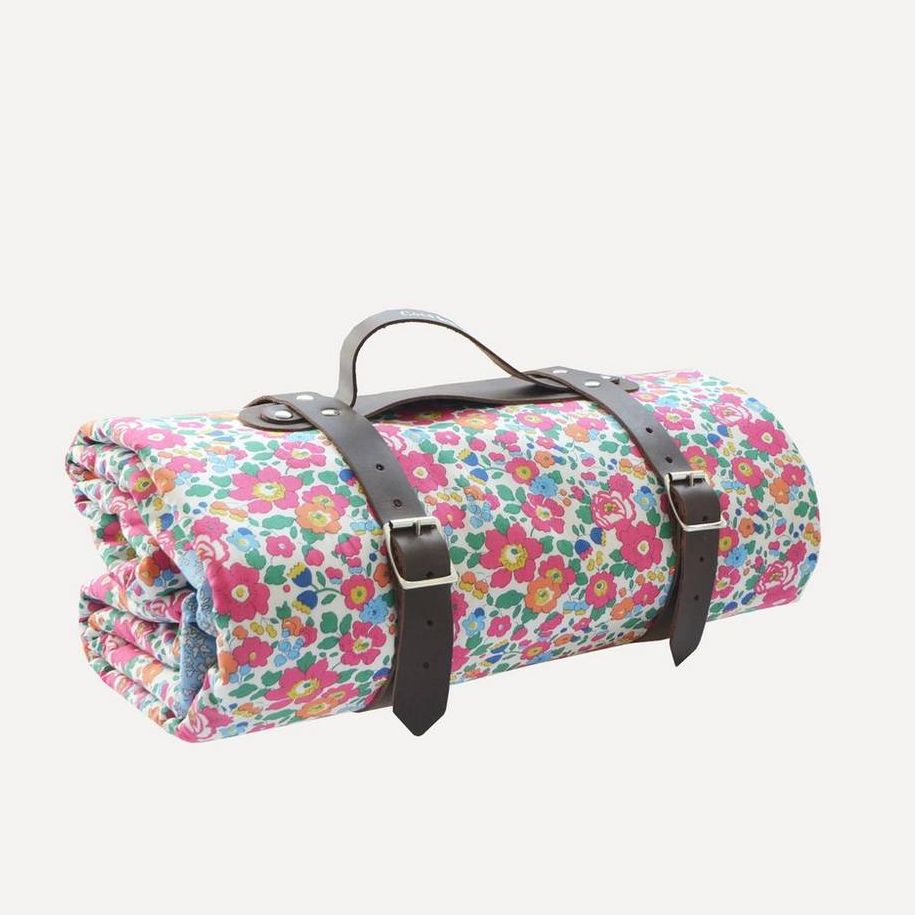
Betsy and Capel Picnic Blanket
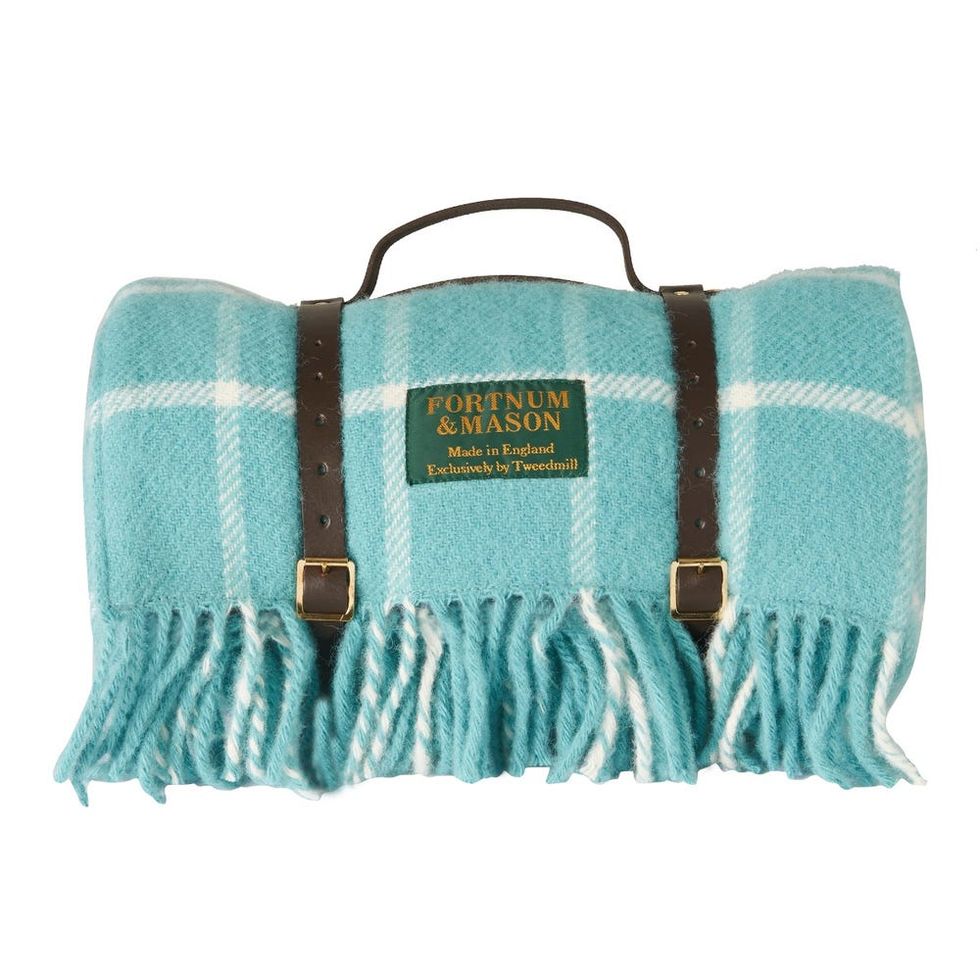
Fortnum & Mason Tweedmill Polo Picnic Blanket
Experts in teatime treats and alfresco dining, Fortnum & Mason knows how to make a quality picnic blanket.
In the luxury department store's signature Eau De Nil colourway, this one is crafted from pure new wool — a durable fabric that can withstand frequent use and is naturally resistant to odours, making it easy to clean and maintain.
Pair it with a famous Fortnum’s food hamper for a fancy picnic.
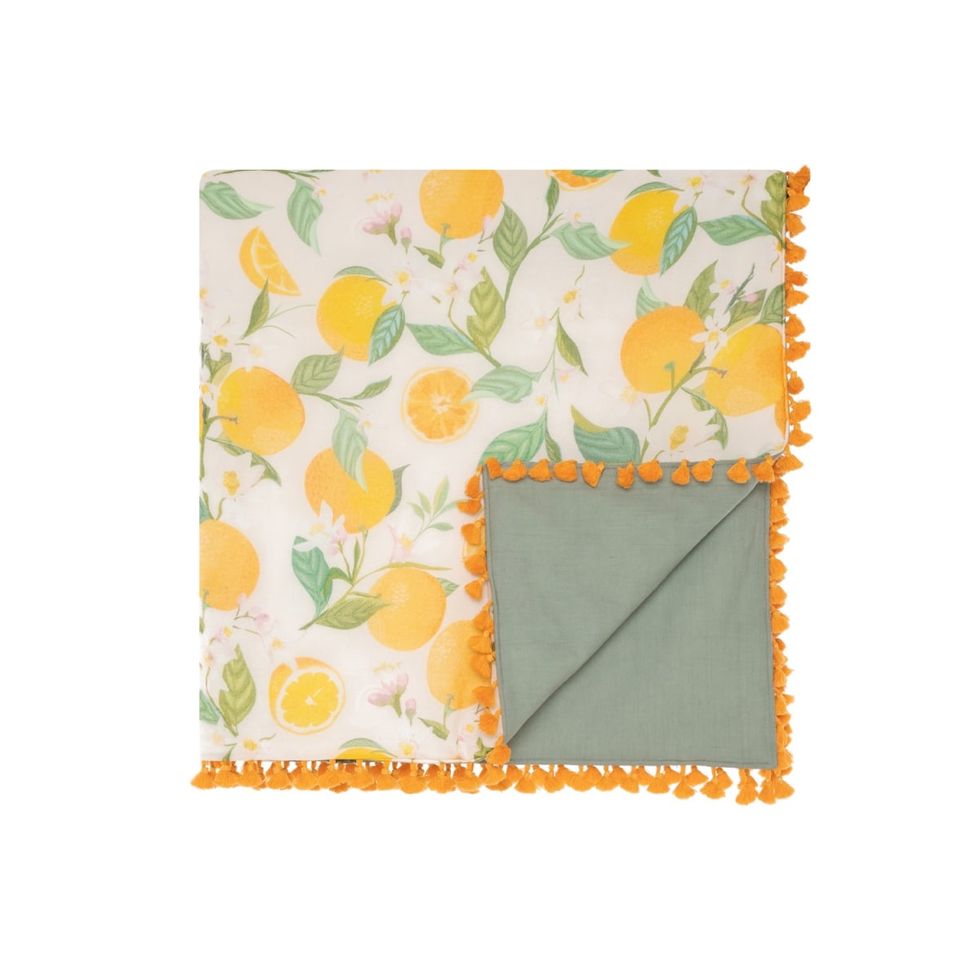
BukawaSwim Reversible Picnic Blanket
Beachwear brand BukawaSwim has meticulously considered every detail on this picnic blanket, from using upcycled materials and non-toxic dyes to its citrus design inspired by the French Riveria.
It's also reversible, so you can easily switch between the pretty orange design and a neutral green, while the tasselled border adds some extra texture and interest.
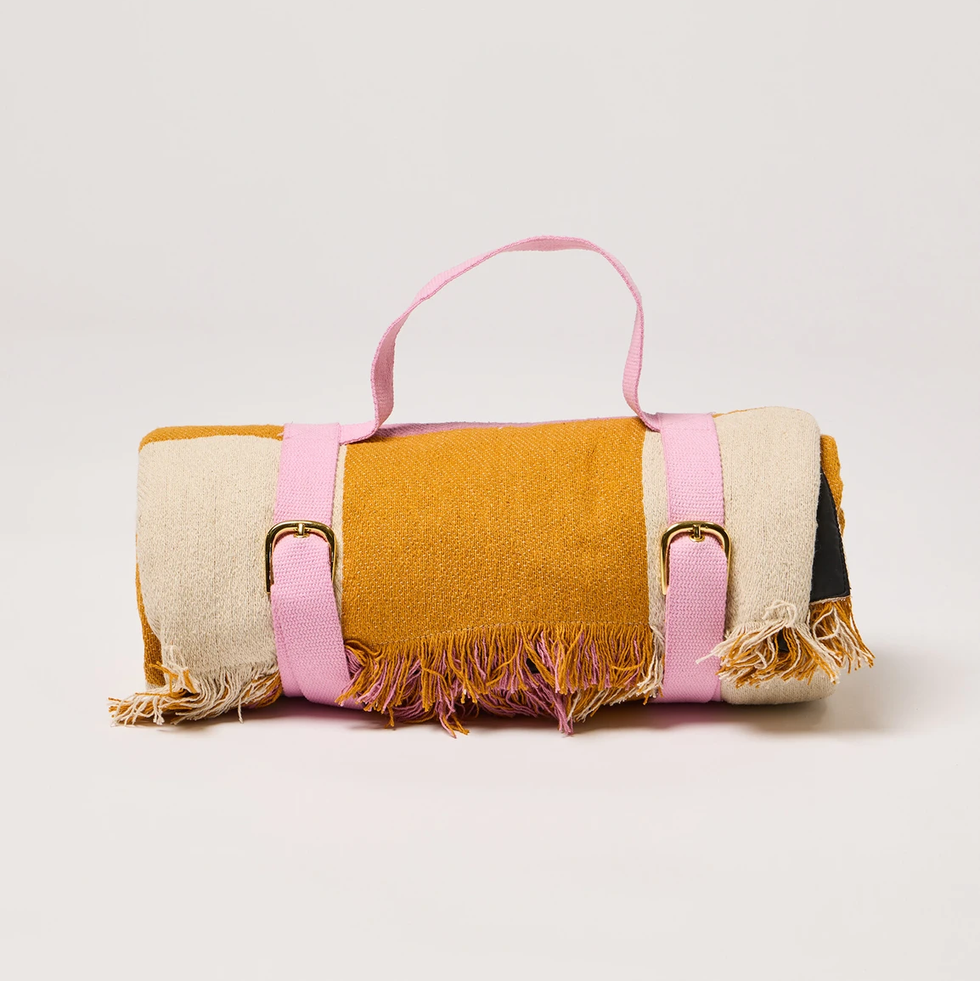
Oliver Bonas Picnic Rug
Oliver Bonas is one of our go-to retailers for eclectic, quirky homeware — so, naturally, we can’t resist the brand’s outdoor collection. This picnic rug, complete with a playful checked pattern and contrasting colours, will add a splash of colour to any alfresco setup.
For a fresh and modern look, style it with white or grey dinnerware — or embrace the colourful aesthetic by adding pops of pink and yellow to your picnic arrangement.
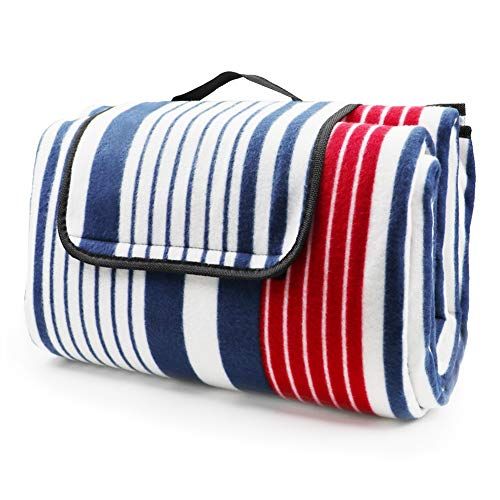
LIVEHITOP Picnic Blanket
At two metres long, this extra large picnic blanket will allow you to spread out food, drinks and other picnic essentials without feeling cramped. Its sand-proof backing makes it suitable for beach days, making it easy to brush off excess sand once you pack up – and it's very affordable, too.
Lisa Joyner is the Deputy Daily Editor at House Beautiful UK and Country Living UK, where she's busy writing about home and interiors, gardening, dog breeds, pets, health and wellbeing, countryside news, small space inspiration, and the hottest properties on the market. Previously, she has written for Conde Nast Traveller, House & Garden and Marie Claire magazine. Lisa studied at University For The Creative Arts, where she completed a BA in Fashion Journalism.


