
King Charles III's long-standing commitment to the natural world is being celebrated in a brand new gardening initiative.
Launched by The Wildlife Trusts in partnership with Incredible Edible and The Women's Institutes, the Coronation Gardens for Food and Nature scheme will encourage communities across the UK to be even greener gardeners.
With more than one in 10 neighbourhoods having no access to nature within a 15-minute walk, the three-year programme will encourage households to sow seeds for pollinators, embrace peat-free practices and grow farm-to-fork produce at home. For anyone stuck on where to start, the scheme also provides free-to-use ideas, inspiration and an interactive map online.


"During the past 50 years the King has frequently called for humanity to live in harmony with nature and has promoted sustainable food growing alongside planting for pollinators and pesticide-free gardening," Craig Bennett, chief executive of The Wildlife Trusts, says.
"Restoring nature and enhancing the health and wellbeing of communities has never been more important. We hope that people everywhere will enjoy helping wildlife whilst growing spuds and squash – and we'd like to invite groups across the UK to join our wonderful gardening coalition."
Gardens play a vital role in giving nature a boost while also enabling people to enjoy seeing wildlife and grow their own food. To take part in the scheme, people will pledge to:
1. Grow healthy food to eat: this could range from herbs and salads, through to vegetables and fruit trees depending on the space you have.
2. Plant pollinator-friendly blooms: butterflies, moths, bees and hoverflies all need sources of nectar and pollen to thrive. As they travel from flower to flower, they also pollinate them, enabling plants to set seed or bear fruit.


3. Create a water feature: which could be as simple as a submerged dish or as involved as digging a pond, lining it and oxygenating it using native plants such as hornwort.
4. Leave a patch of long grass or pile of logs to create shelter for wildlife and natural predators such as hedgehogs and frogs.
5. Go chemical and peat-free: avoid using pesticides, weedkillers and peat!
For more information about how to get involved, visit incredibleedible.org.uk.
King Charles III souvenirs: The best memorabilia to mark the Coronation
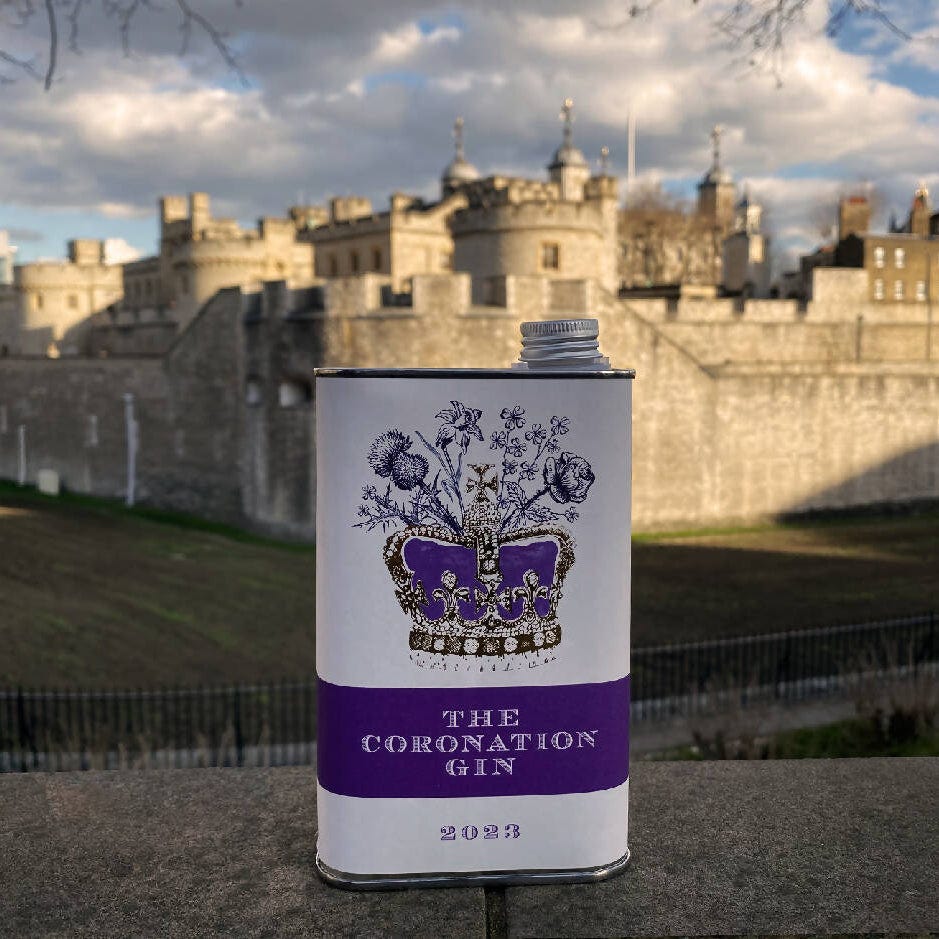
The Coronation Gin - In Collaboration With Historic Royal Palaces
The Coronation Gin is the latest creation from Gin In A Tin, made in collaboration with Historic Royal Palaces. We love the beautiful design, which features a magnificent gold foiled crown, adorned with the iconic symbols of the four nations of the United Kingdom: a classic English rose, a traditional Scottish thistle, a springtime Welsh daffodil and the delicate Irish shamrock.
Upon sipping, you will notice distinctive notes of coriander, cardamom, lemon peel and botanicals centred around juniper berries. This tipple makes for the ultimate royal celebration drink, particularly when making a classic gin cocktail.
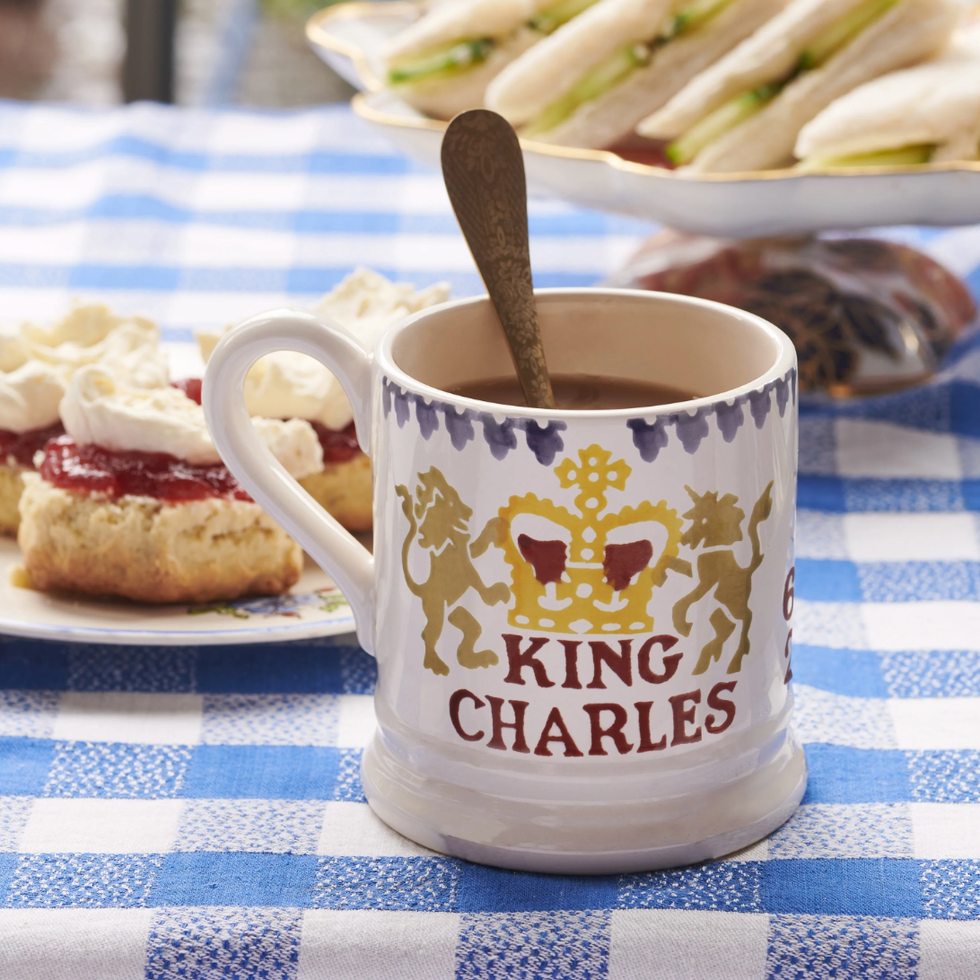
Raise your cuppa to our new King with Emma Bridgewater's commemorative mug. Perfect for fans to snap up in time for the Coronation.
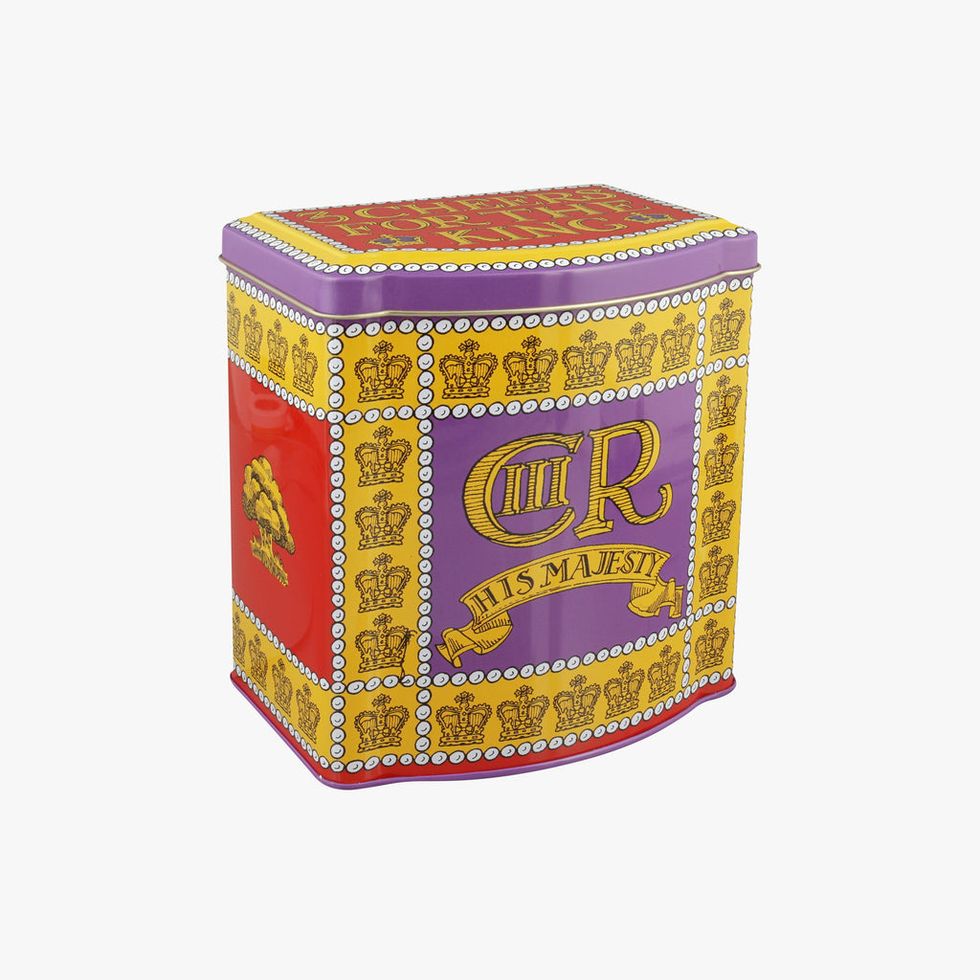
3 Cheers for King Charles III Tin Tea Caddy
Keep your teabags safe and secure in this colourful caddy. Featuring King Charles' official cypher and rows of miniature crowns, it's available to purchase for just £10.
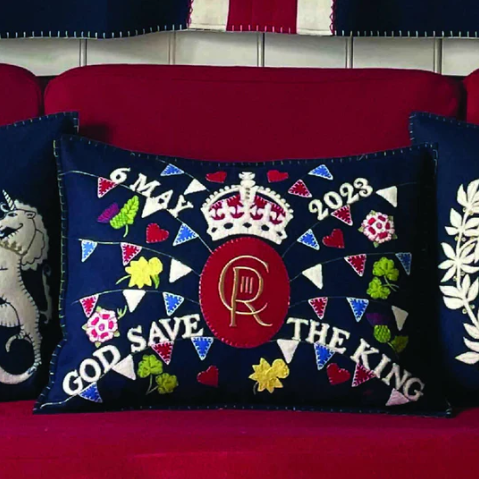
Coronation Party Embroidered Cushion in Luxury Wool Felt
This fabulous appliquéd and hand-embroidered cushion celebrates the Coronation in style. A beautiful keepsake to treasure for years to come.
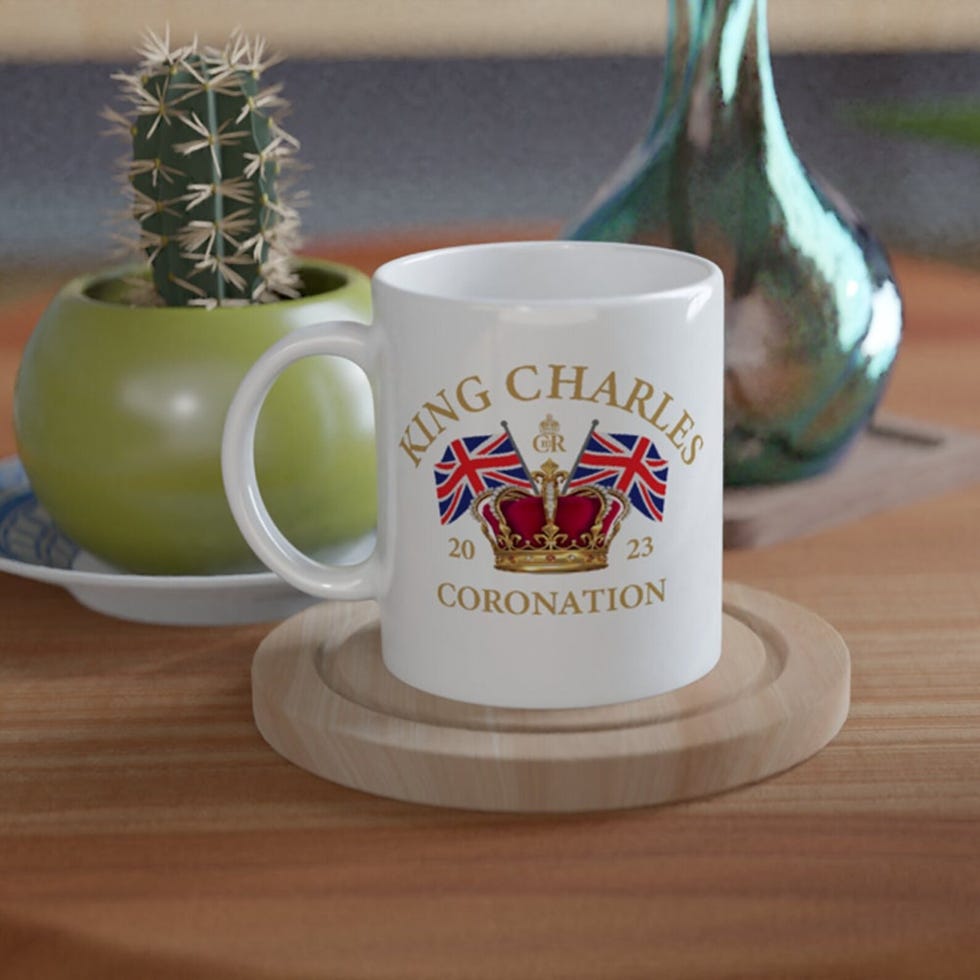
This commemorative mug features the words 'King Charles Coronation' and includes an illustration of a crown surrounded by Union Jack flags. It's perfect to add to your Coronation memorabilia collection.
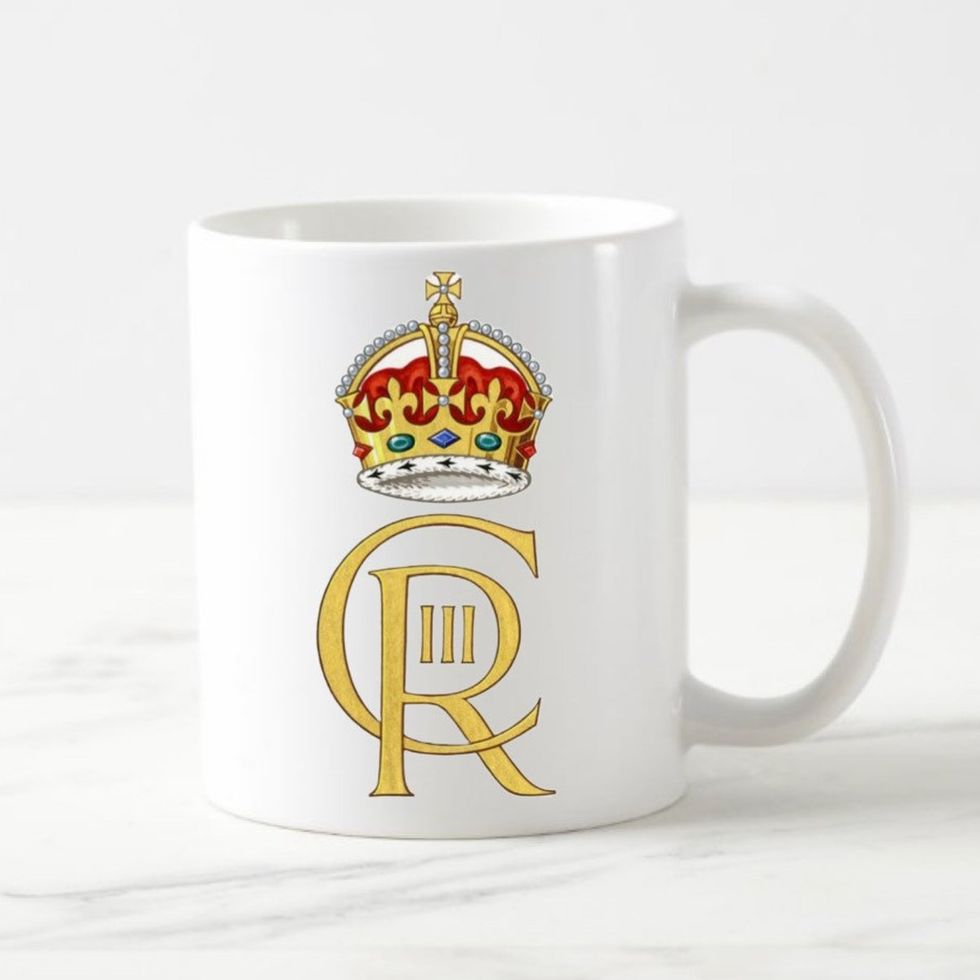
Featuring King Charles' official cypher, this handprinted mug from Etsy is a wonderful keepsake for the coronation of the King.
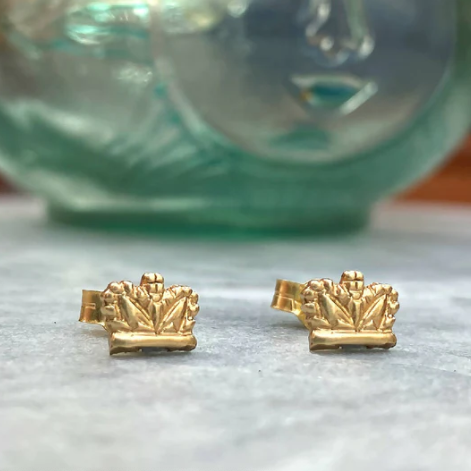
These stylish crown studs are an original design by jewellery artist Francesca Stella, hand-crafted in her studio in Cornwall using your choice of ethical gold.
The design is available exclusively on the Country Living Marketplace and can have the Coronation commemorative hallmark applied to them upon request before purchase.
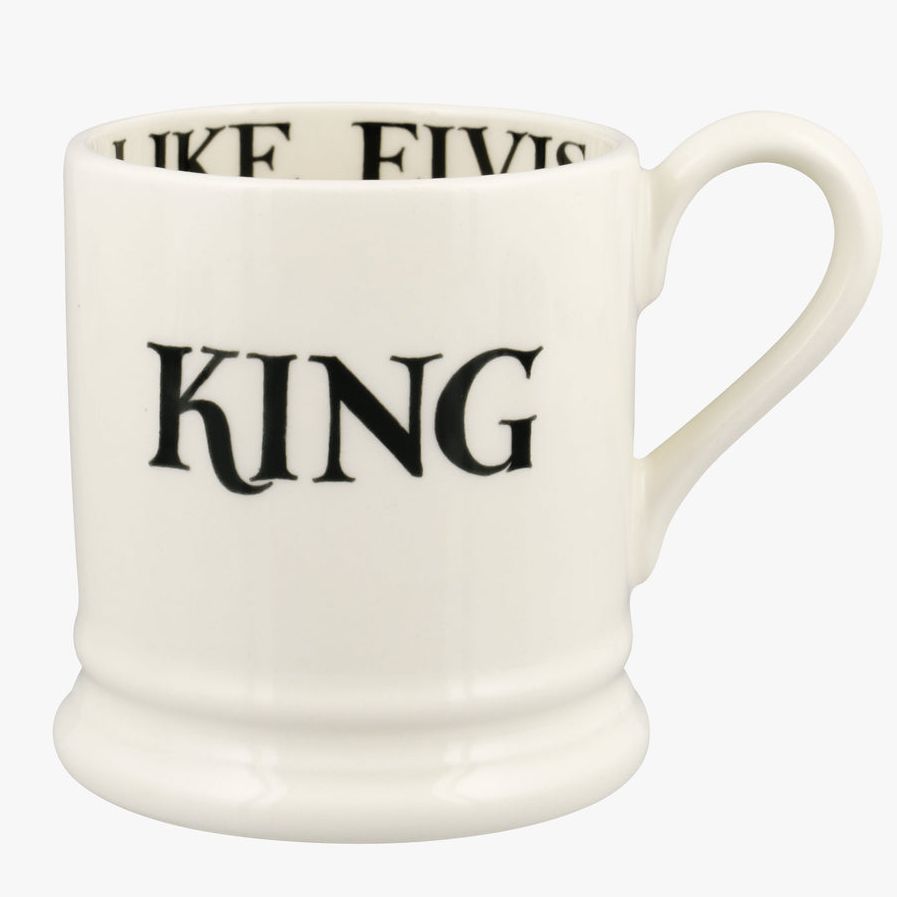
Raise your morning coffee to our new King with Emma Bridgewater's appropriate 1/2 pint mug.
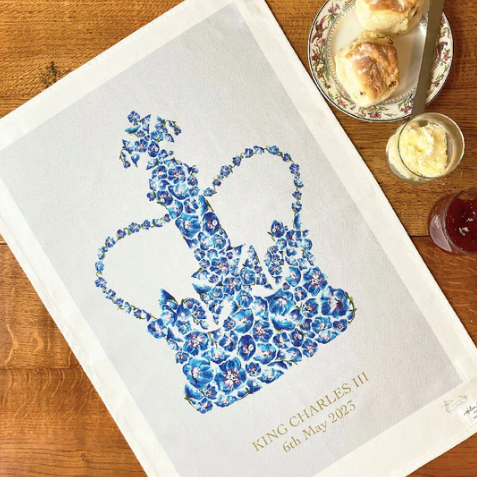
Coronation Delphinium Crown Commemorative Tea Towel in Blue
Printed and made in Great Britain, this Coronation commemorative tea towel celebrates King Charles III's favourite flower, the Delphinium, and his love of nature. It's made from 100% sustainably farmed cotton and is printed using reactive inks that are free from harmful chemicals.
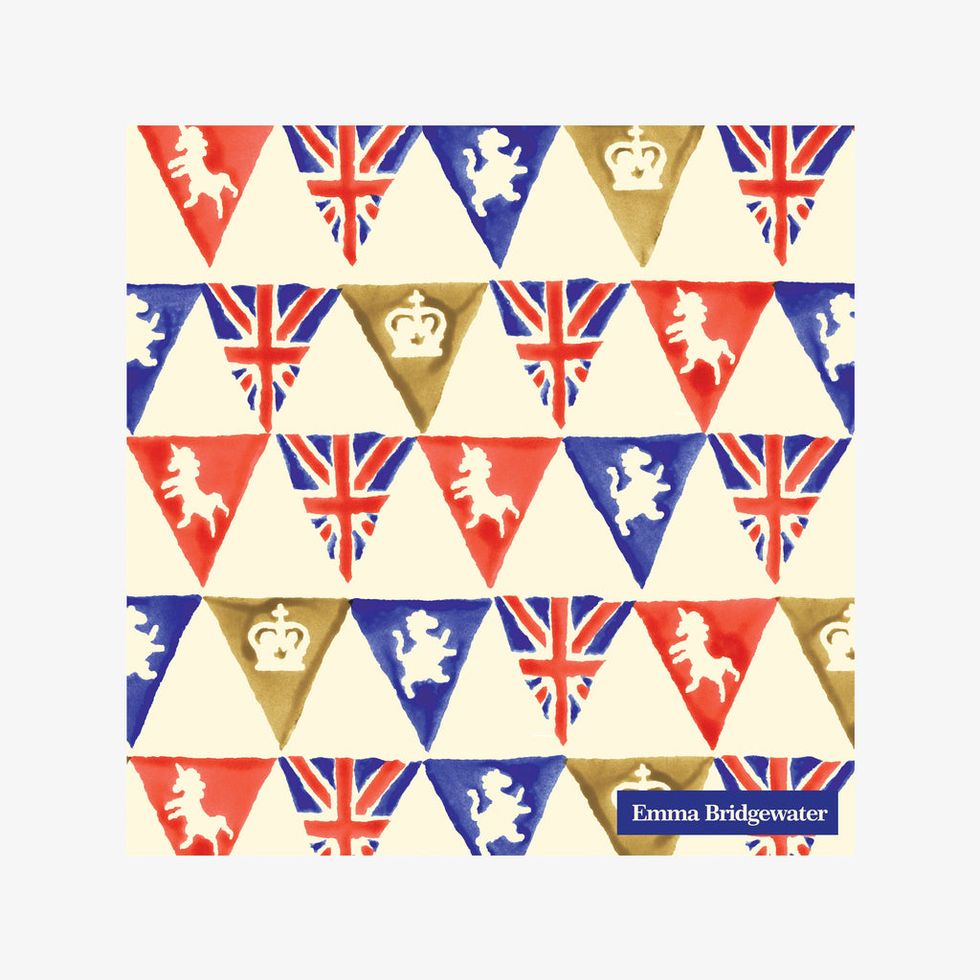
Don't start your Coronation party without these Union Jack bunting napkins from Emma Bridgewater.
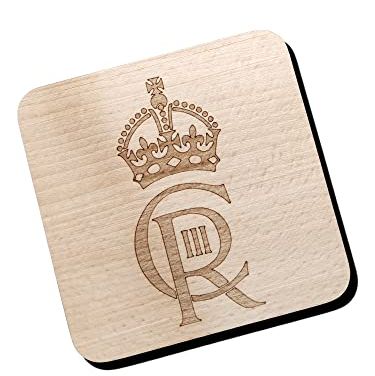
Protect your coffee table from spills and stains with this King Charles III coaster. Made from beech, it features the King's official cypher.
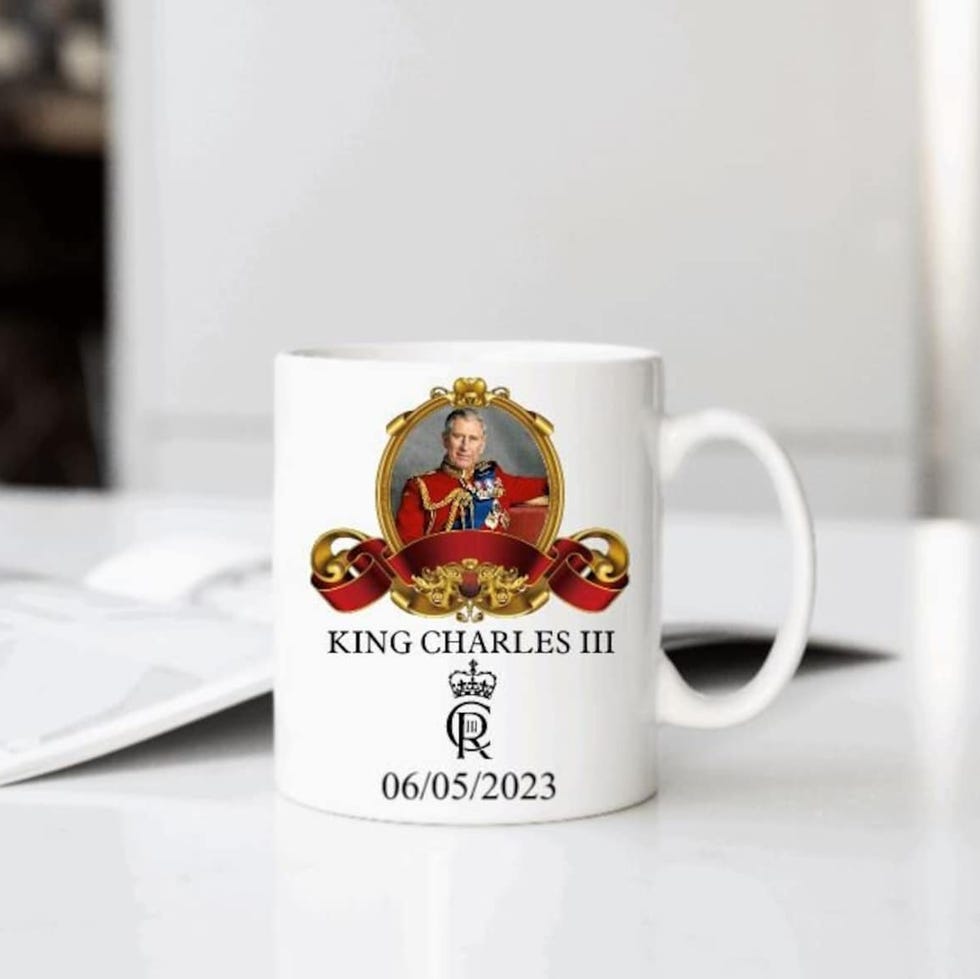
We love this commemorative mug which features an official portrait of King Charles III. It's the perfect souvenir to get your hands on ahead of the Coronation.
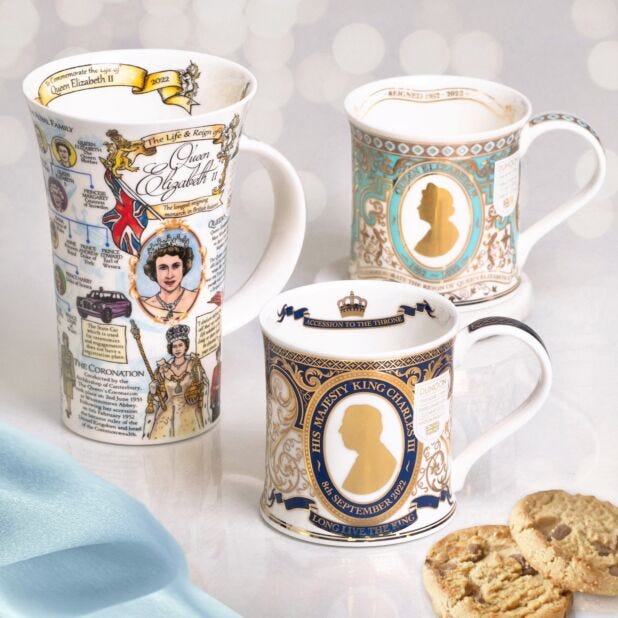
Dunoon His Majesty the King Charles III Accession Wessex Shape Mug
Enjoy your morning brew in this King Charles III Coronation mug. Embellished with 22 carat gold, it features the silhouette of the King on the front and back, and is decorated with vine motifs and a beautiful deep blue colour.
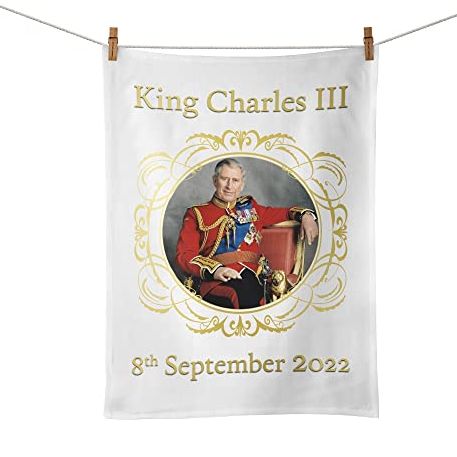
This commemorative tea towel features an official portrait of the King alongside the words 'King Charles III, 8th September 2022'.
Hang this King Charles Coronation flag at your street party to celebrate our new monarch.
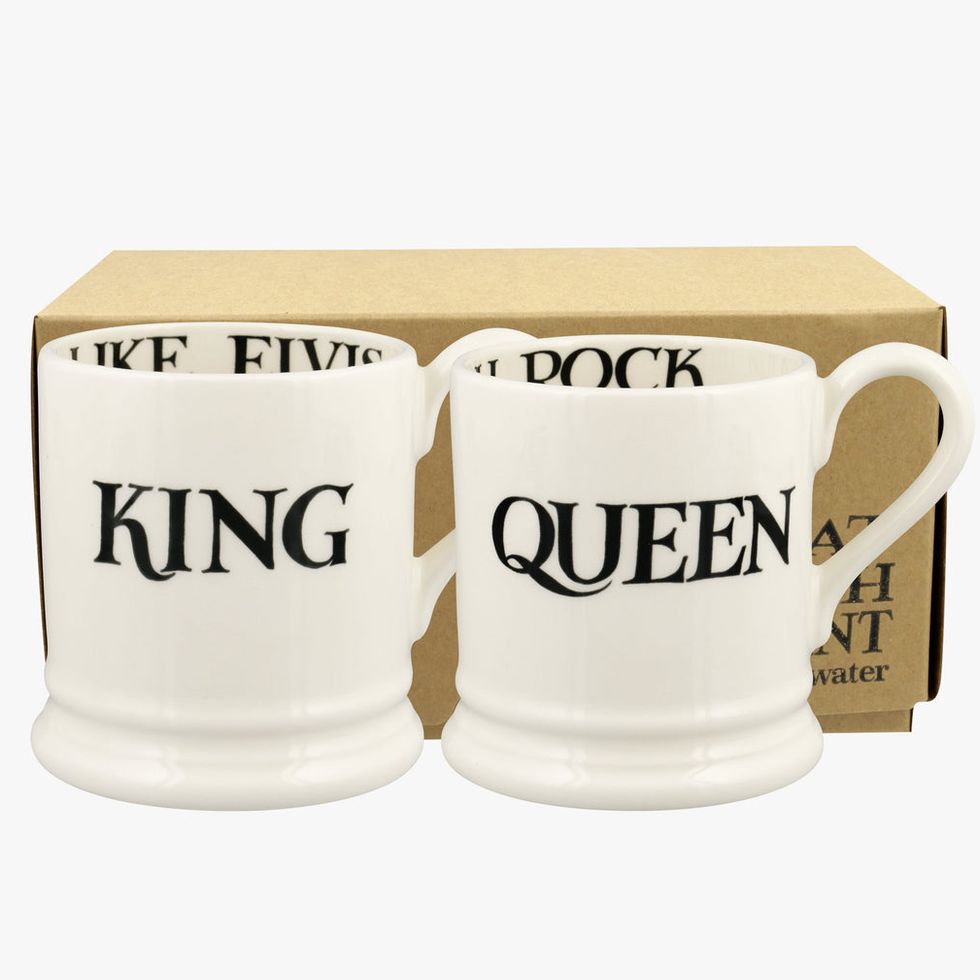
Black Toast King & Queen Set Of 2 1/2 Pint Mugs
Give your kitchen cupboards the royal treatment with this set of two King and Queen mug from Emma Bridgewater. Each set comes presented in a box.
Lisa Joyner is the Deputy Daily Editor at House Beautiful UK and Country Living UK, where she's busy writing about home and interiors, gardening, dog breeds, pets, health and wellbeing, countryside news, small space inspiration, and the hottest properties on the market. Previously, she has written for Conde Nast Traveller, House & Garden and Marie Claire magazine. Lisa studied at University For The Creative Arts, where she completed a BA in Fashion Journalism.


