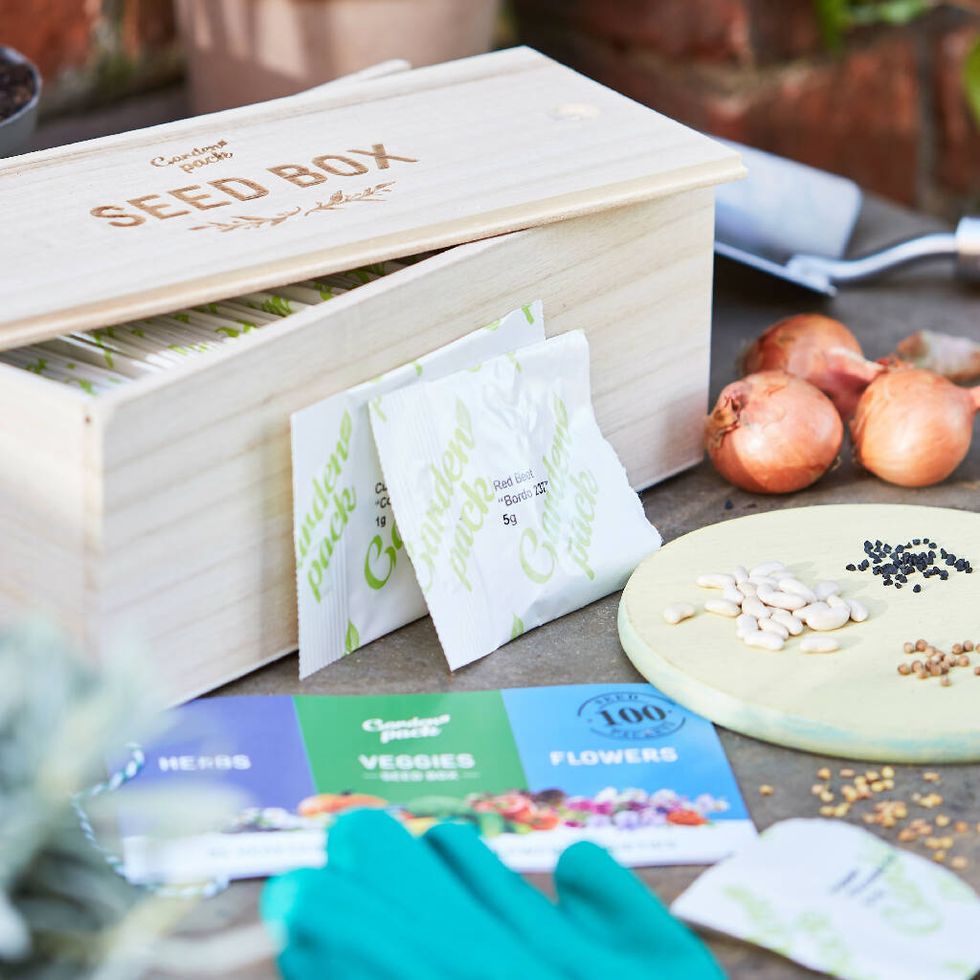
Sowing seeds in February is a gardening fundamental – and growing from seed could save you a fortune compared to buying ready-grown flowers or bedding plants. But how confident are you of your seed-sowing technique?
We asked expert gardener and seed merchant Grace Alexander, author of Grow and Gather, to talk us through this vital task with a step-by-step guide to sowing seeds ready for spring...
Mini masterclass: Sowing seeds
These are Grace's easy-to-follow tips for successfully sowing seeds, as well as which seeds to sow in February...
1. Prepare the soil
Clear some ground. It should be weed-free and not too lumpy. Water the soil before you do anything else. Watering after sowing disturbs your carefully sprinkled seeds.

2. Get your spot ready
Make a line in the soil with a stick or your finger. It should be quite shallow, a scratch really.
"Have a label and pen to hand before you put a single seed in the ground. You think you will remember what you have put where. You will not. I'm currently planting nigella, ammi, sweet peas, kale and leeks," she explains.
3. Time to sow
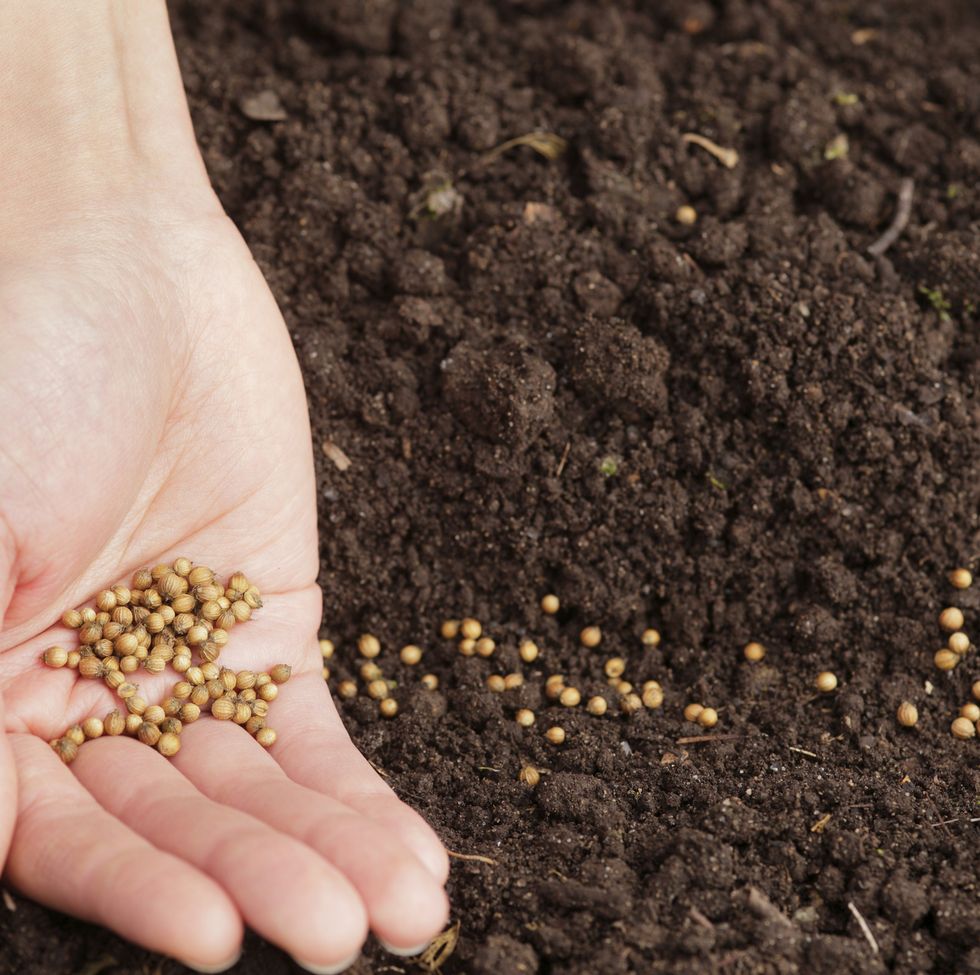
Graces adds: "Tip the seeds into your cupped palm and use your other hand to pick the seeds up between the thumb and forefinger, then sprinkle them quite finely along the line. Gently move the soil from the ridges on either side of your line back into place and press down with your palm."
Seeds to sow in February for UK gardeners


Hardy Vegetables – if you are sowing seeds outdoors in February and onwards into spring, you can't go wrong with hardy vegetables such as broad beans, tubers like Jerusalem artichokes, along with your typical early February sowings of garlic, shallots, and onion sets.
February seeds to sow indoors or in the greenhouse – the soil is still too cold for many seeds to be sown outside, but if you have a greenhouse or a warm windowsill, then tomatoes, peppers, cucumbers, and aubergines can be sown. Consider a grow light to prevent leggy plants in February and the colder months.
How to attract birds to your garden - gallery
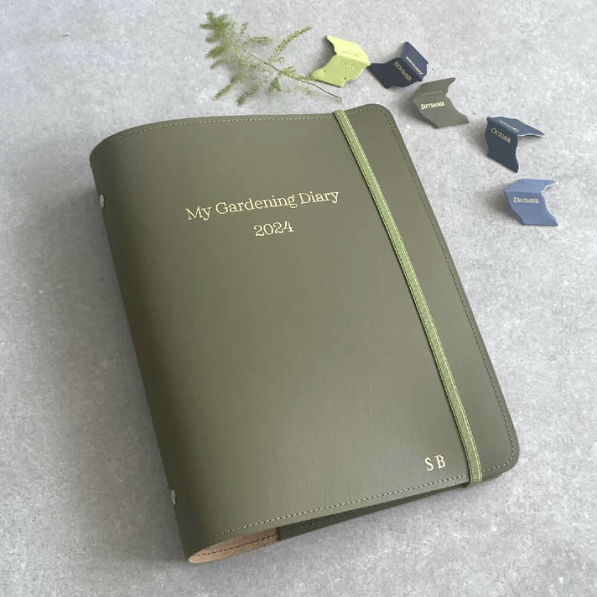
Recycled Leather Personalised Garden Diary
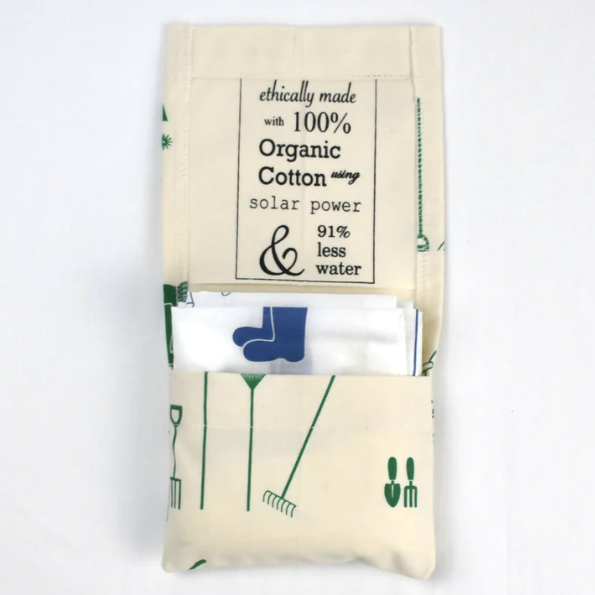
Gardeners Handkerchiefs in 100% Organic Cotton