
The winter months are often quieter in our gardens, but there are still a few important tasks to tick off.
A common question is when to stop mowing the lawn for winter. Cutting the grass during wintertime can make it brittle, especially when frosted or wet. It's best to stop mowing early enough to give your grass a good chance of establishing height for winter protection.
When to stop mowing the lawn for winter and why?
"You'll know it's time to stop mowing when the grass simply stops growing. That usually happens around late October, though it varies depending on the region and the weather," Simon Wilkinson, an RHS Award-winning horticulturalist and owner of Wilkinsons Landscapes, tells Country Living.
Once the soil temperature drops below 10 degrees, the lawn enters a kind of dormancy where it doesn’t grow at all.
"People often push on with mowing because they think it's about keeping things tidy. But at this time of year, it's more important to protect the lawn ready for the next year, rather than to perfect it. Cutting too late, especially when the grass is wet or frosty, can bruise the blades and compact the soil, and that's a recipe for a patchy, tatty lawn next spring.


When should you mow your lawn for the last time in winter?
Simon tells us: "I always recommend a final cut before the first frost – which is typically around the beginning of October – but leave a bit more length than you would during the peak summer months. Around four centimetres allows enough height that it can insulate the lawn’s roots, while still allowing light and air to circulate.
“While you might be tempted to dig out lawn feed and fertiliser, winter lawn care is mostly about knowing when to leave it alone. The lawn needs rest, not interference.
"It's important to keep a lawn clear of leaves. A thick layer of leaf will trap moisture and block airflow and light, which encourages moss to grow. It's a five-minute job that could save you hours of repair work in spring!"


More winter lawn care tips
Before we put the garden to bed for winter, what else can we do to improve our lawn?
"If your lawn has fared badly this summer, September is a good time to spend a couple of hours restoring the lawn: scarify, aerate, overseed, and apply an autumn feed. Organic options include seaweed meal, bone meal, or poultry pellets," Mike Carthew from Garden Footprint tells us.
"It's also the perfect moment to tuck in bulbs such as pheasant’s eye daffodils, snakeshead fritillaries or primroses so they naturalise and flower through the turf next year. If you're anything like me, you'll forget you did this and then have a stunning surprise in spring."
Plus, it's also a good idea to trim the edges of your lawn.
Samantha Richards, garden gazebo expert at Gazeboshop, says: "With the accelerated growth your grass experiences in summer, autumn is the perfect time to trim back overgrown edges to keep your lawn looking neat and tidy," says Samantha. "The edges, when looked after, will provide a barrier for plant roots, stopping flowers or weeds from growing into your lawn."
17 best gardening tools to buy now including spades, trowels and rakes
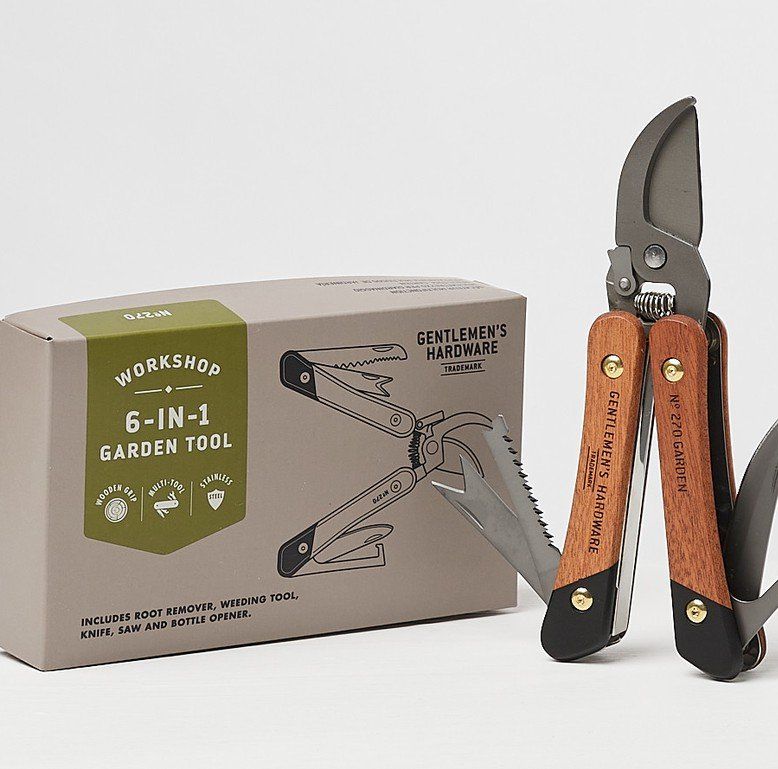
Give your garden plants some love this summer with this useful multi-tool. Finished in titanium with brass fixings, this tool features six different functions including secateurs, a root remover, knife, saw, bottle opener and an easy weeding utensil.
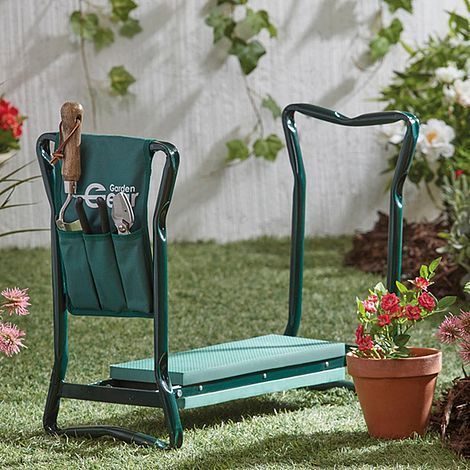
Protect your knees when gardening with this practical green kneeler and seat. It has been made with steel tubes and comfortable polypropylene foam so you can garden comfortably. There's also a small pouch on the side, making it easy to pop your tools in as you work.
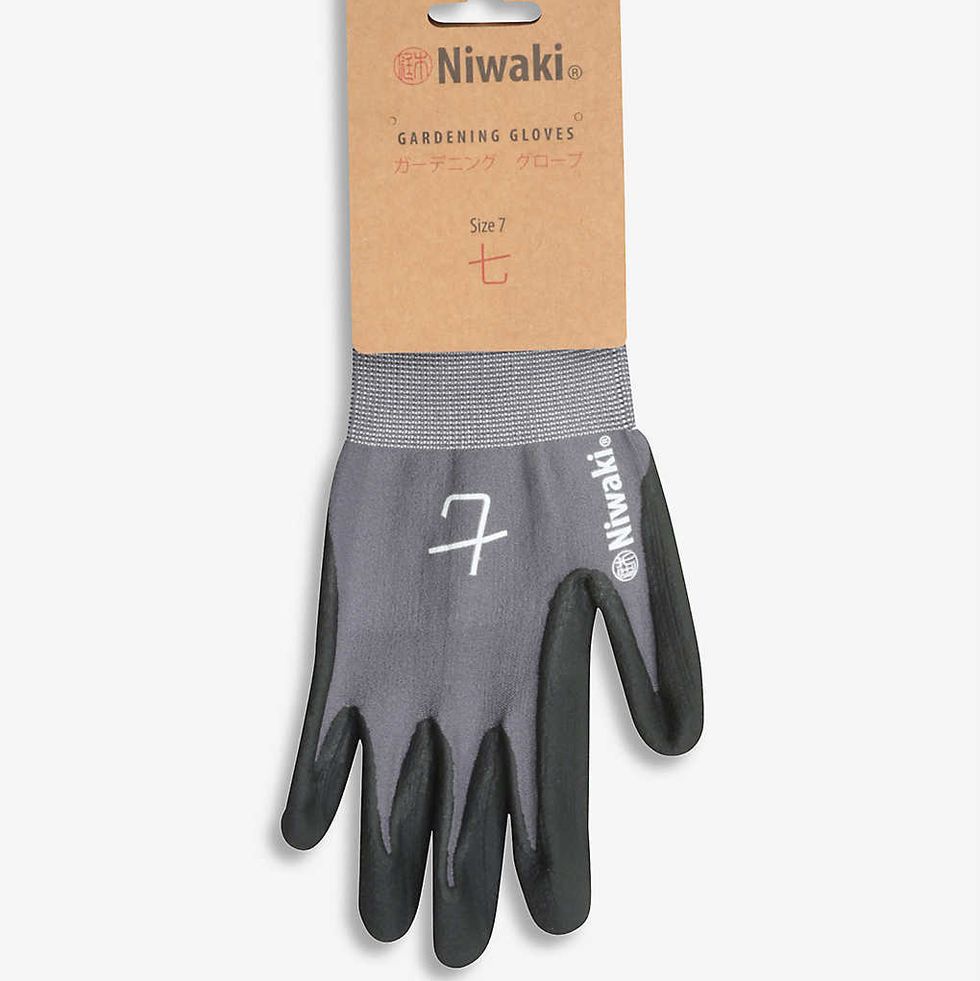
Protect your hands with these practical grey gardening gloves, made from a comfortable nylon and spandex liner. Best suited for potting and pruning, they have breathable lining and a nitrile grip coating.
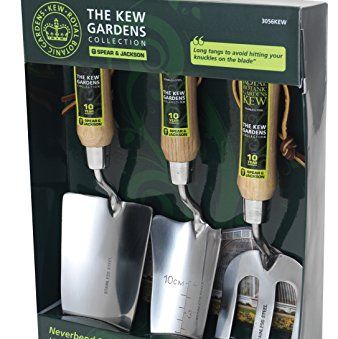
Developed alongside Kew Garden's horticultural team, this set features a weedfork, hand trowel and transplanting trowel. Ideal if you're on the hunt for a gift.
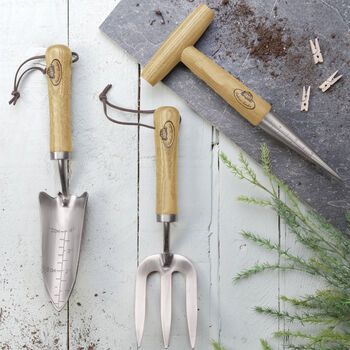
Crafted from wood and stainless steel, this lovely garden tool set is just what every gardener needs. The leather hooks make it easy to hang up in a shed, while the trowel has been marked in centimetres and inches to make planting easier than ever.
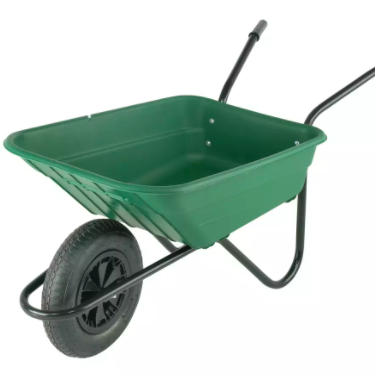
Walsall 90L Polypropylene Multipurpose Wheelbarrow
Every garden needs a wheelbarrow. In a classic green, this lightweight style from Argos is ideal for gardening, DIY work and equestrian uses.
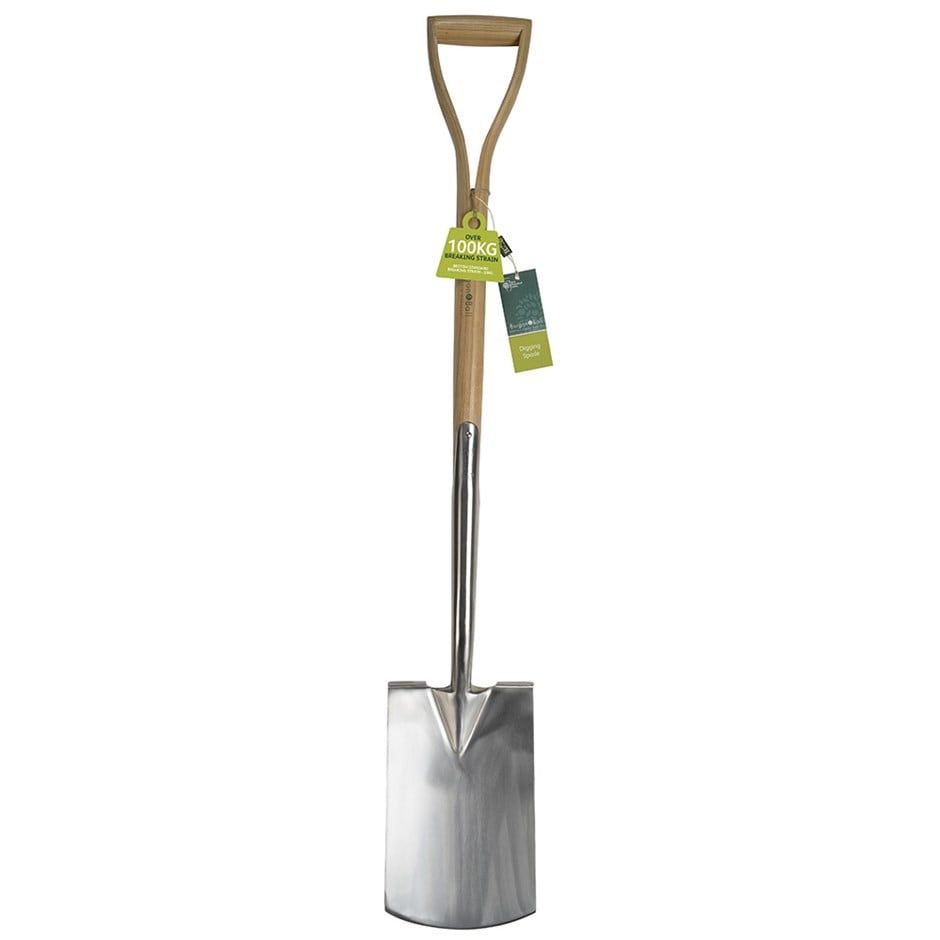
With a longer handle to ease back strain, this stainless digging spade has been created for all digging jobs. As well as this, the hardened steel blade is rust-resistant and will hold its edge without regular sharpening. Perfect for every avid gardener.
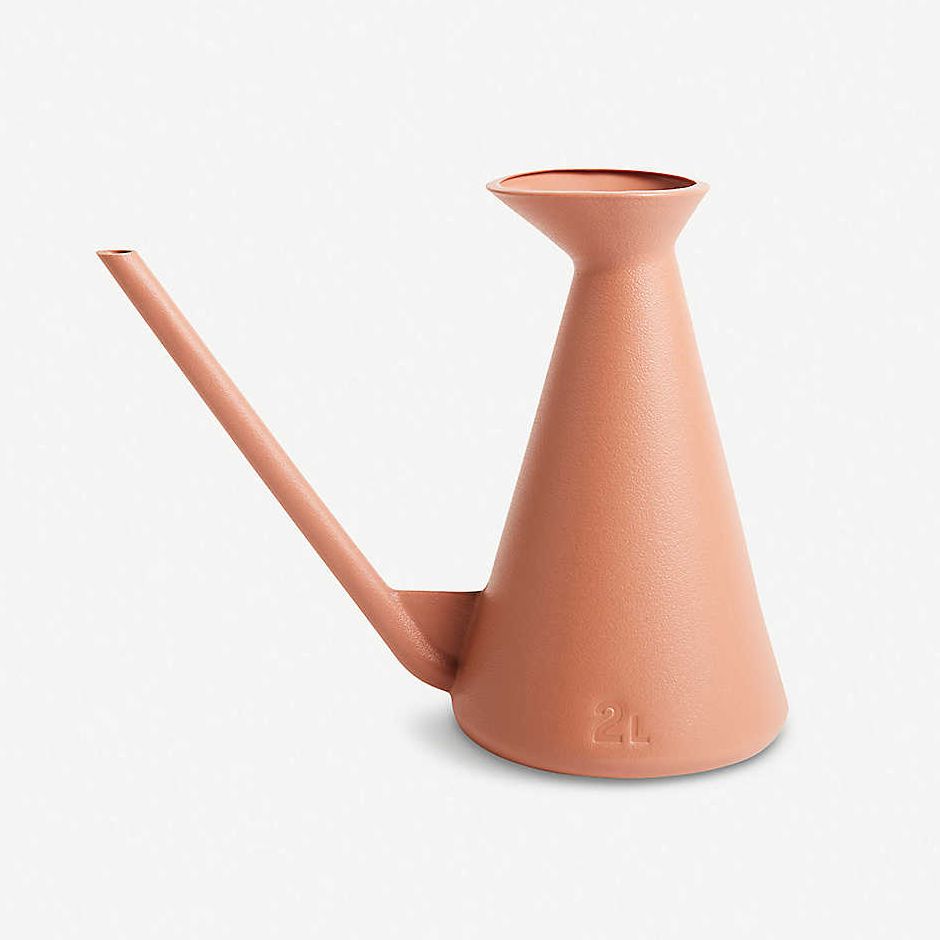
Keep your plants happy and healthy with this terracotta watering can. Designed by Shane Schneck, it boasts a no-spill lip and a shape that keeps water weight at its base.

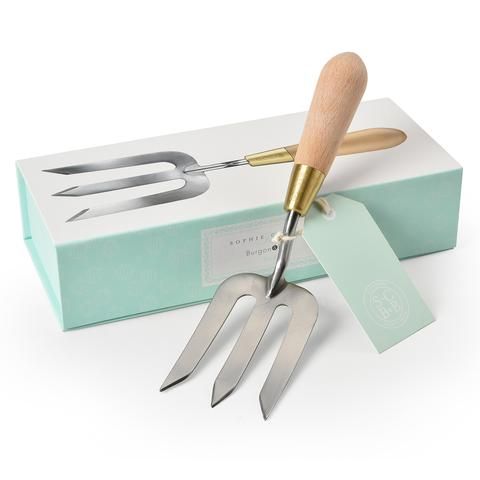
Tried and tested by the Good Housekeeping Institute, this garden fork from Sophie Conran is a stylish addition to any outdoor space. Made of stainless steel with a waxed beechwood handle, it has sharpened tines which cut through hard and soft soil very easily.
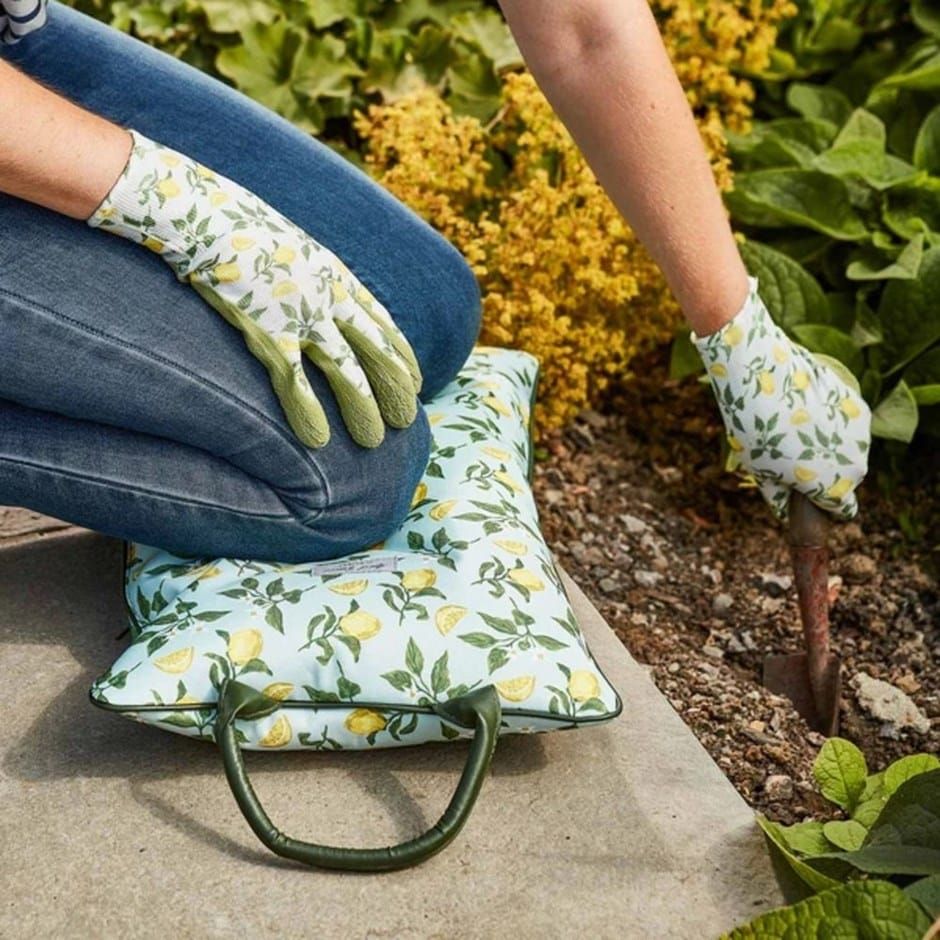
When life gives you lemons...buy a stylish kneeler pillow. With a generous size and soft foam filling, you can be sure to tackle those weeds comfortably without any pain.

Looking for some summer seeds? This pack includes thyme, mixed herbs, oregano and summer savoury, too. Ideal to spruce up a tired-looking lawn patch.
READ MORE: Plant these 11 wildflowers to create a bee motorway in your garden
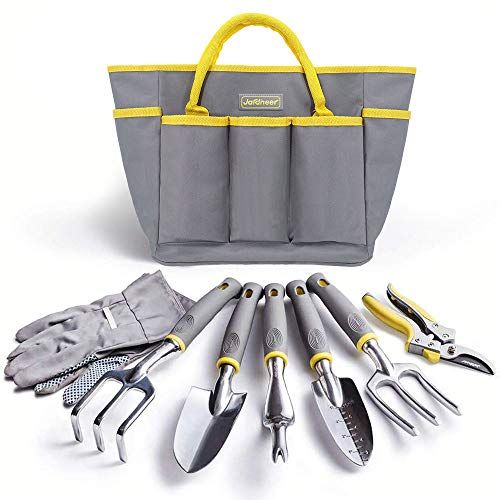
You'll find eight handy tools in this set, including pruning shears, a hand trowel, transplanter, weeder, cultivator, hand rake, gardening gloves and a tote bag. At just £40, it's a real steal buy.
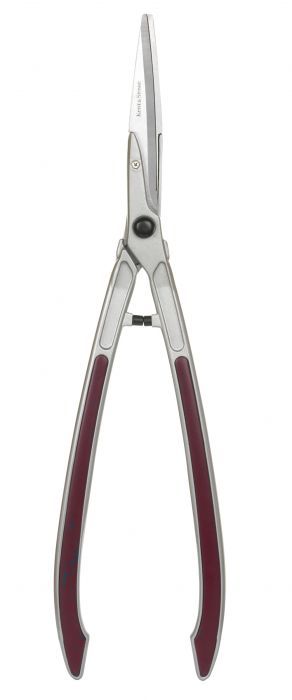
Trim your hedge just as you like with these 66cm topiary shears. Ideal for trimming and shaping, they have narrow pointed blades, rubber shock absorbers and a long length ergonomic design.
READ MORE: How to get rid of moles in the garden
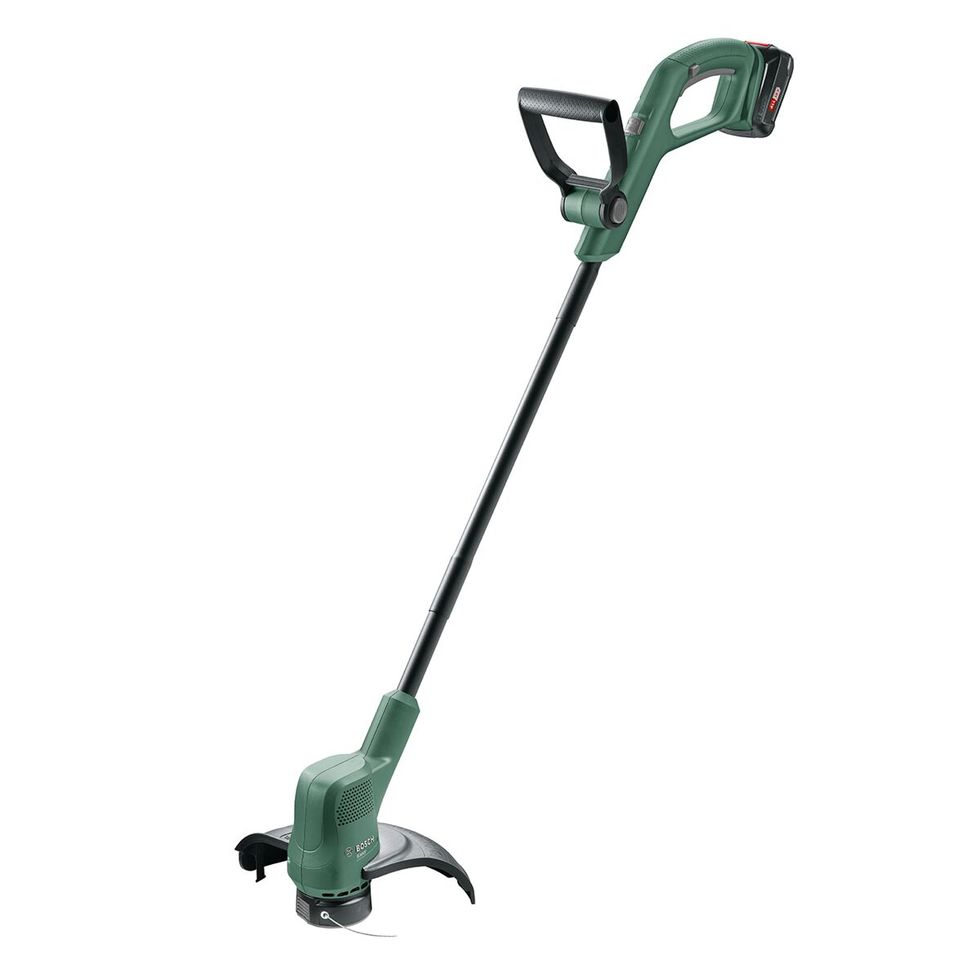
Providing high performance cutting with a clean finish, this grass trimmer from Bosch has an easy edging function which enables quick changes from trimming to edging. Ideal for reaching those tricker spots with ease.
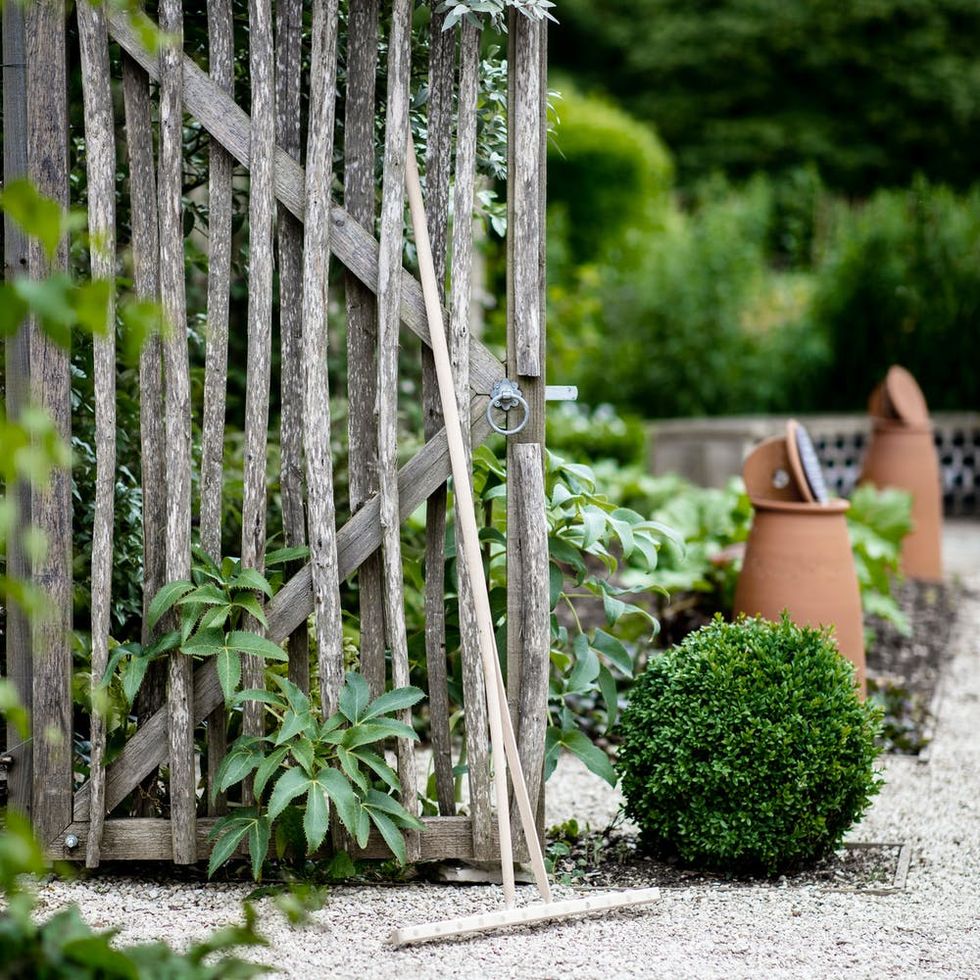
Sweep up leaves and fallen debris with this practical wooden rake from Garden Trading. Crafted from Beech, the strong wooden handle offers support, while the prongs allow for effective raking.
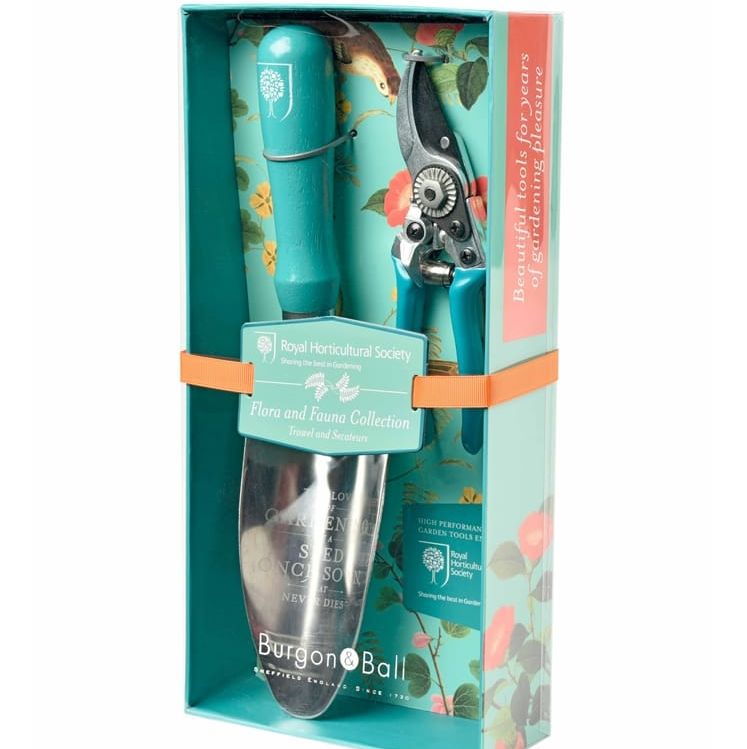
Presented in a beautiful box, this set includes a trowel and secateurs. Featuring artwork from the RHS Lindley Library, they're both a stylish and practical addition to any garden.
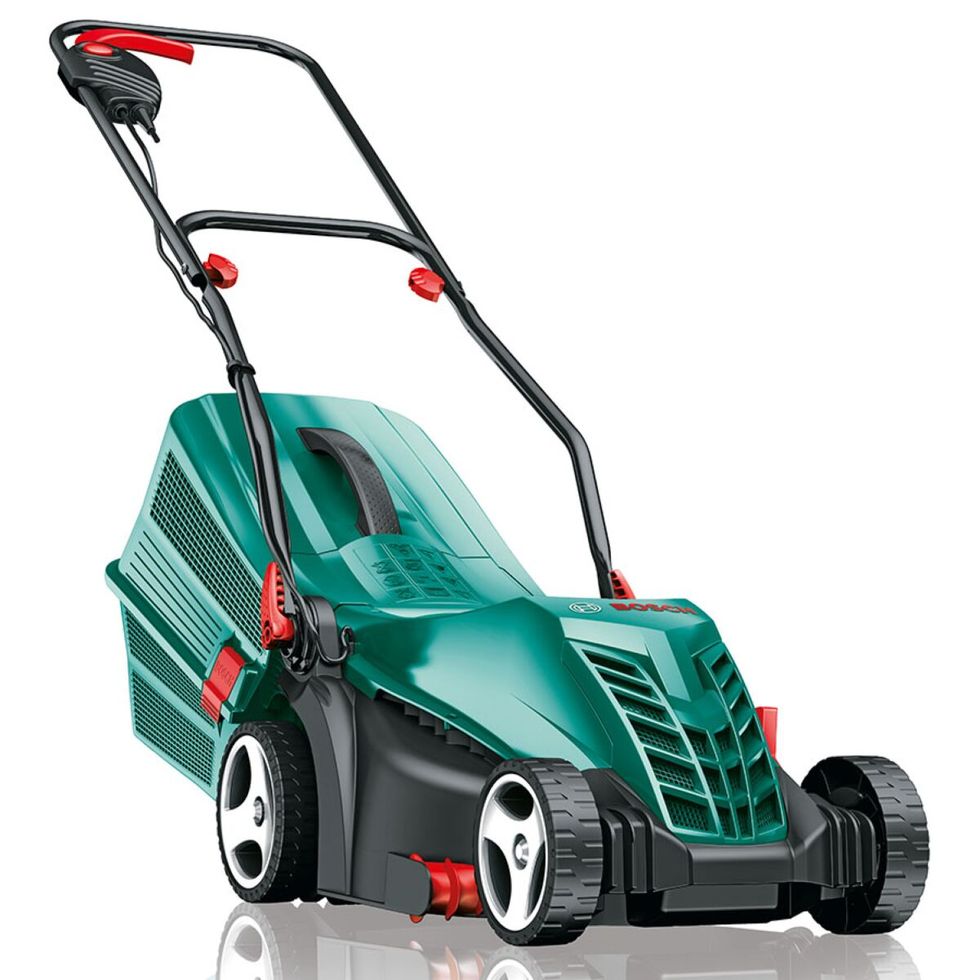
This electric lawnmower helps you to cut through long grass with ease, thanks to its innovative inset grass combs and lightweight design.
Like this article? Sign up to our newsletter to get more articles like this delivered straight to your inbox.
Looking for some positivity? Get Country Living magazine posted through your letterbox every month.

Becky is a freelance journalist based in Somerset, UK, specialising in all things home, gardens, lifestyle, and entertainment. With a love of classic rom-coms and a penchant for romanticising her own everyday life, she enjoys embracing cosy, slow living with her family and their crazy Welsh collie, Cookie. Becky has been published in publications such as Cosmopolitan, The Independent, The Evening Standard, The Telegraph, Collider, Happiful Magazine, OK! And many more.


