
October is the month of first frosts, falling leaves and dazzling colours. But it's also a great time to prune popular garden plants to ensure your outdoor space thrives throughout the seasonal changes and into spring.
Wondering where to start? Richard Barker, horticultural expert and commercial director at LBS Horticulture, shares his top tips to help you stay on track with your autumn gardening. Keep reading for all you need to know:
1. Peonies
British peonies are in season from late spring to early summer and benefit from a tidy-up during October.
"Herbaceous peonies can be pruned in October, after the first hard frosts. Waiting until the first hard frosts will allow the plant to transfer energy to the roots for the following year's growth," Richard tells Country Living.
"Using a clean, sharp pair of secateurs, cut the plant back so that they are no more than three inches above the ground.
"Remove any dead, diseased, or yellowing foliage, and dispose of this responsibly to prevent the spread of peony wilt. Tree peonies do not need to be pruned, and you should instead only remove the faded seedheads. Do not remove any faded foliage from tree peonies, and leave it to fall off naturally instead."


2. Hostas
Hostas also benefit from a good prune in October, but before you reach for your secateurs, wait until the leaves naturally die back and turn brown after the first frost.
"Remove any loose debris from around the plant so that you can see the stems properly, and cut back foliage and any spent stalks down to the ground," says Richard. "After removing foliage, dispose of it properly so that pests cannot overwinter in it, as hosta leaves can harbour slug eggs."


3. Roses
Whether it's a potted rose bush or a climber, October is a great time to remove any spent rose petals or diseased foliage.
"Cut off any shrivelled rose flowers before rot can set in, but only remove the petals if your roses produce hips so that they can continue to develop," says Richard.
"Remove foliage that shows signs of disease, and collect any infected leaves from the ground, so that they cannot carry diseases over into the next year. If you have shrub roses, prune out any dead, damaged, or crossing stems to create an open framework at the centre of the plant to encourage good airflow.
"Tall bush roses should have their stems shortened to reduce the risk of wind rock, and the heads of standard roses should also be thinned out so that they do not catch the wind."


4. Bee balm
Last but certainly not least, October is an important time to prune bee balm, as this is when the plant's top growth will have died back.
"You should either cut the stems all the way down to the ground so that there is room for new growth in spring, or cut the stems back by 10 to 20cm. If cutting the stems back slightly, you will need to follow this up by cutting them down to the ground in spring when new growth begins to appear," says Richard.
"The first cut will make the plant less susceptible to mildew through the colder months, and still leave behind some shelter where insects can overwinter. "
17 best gardening tools to buy now including spades, trowels and rakes
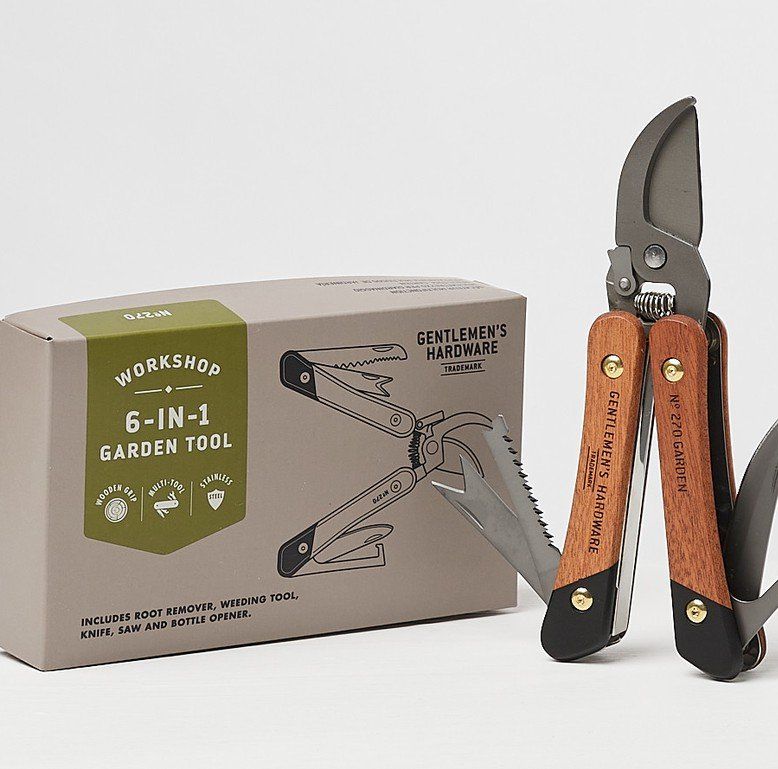
Give your garden plants some love this summer with this useful multi-tool. Finished in titanium with brass fixings, this tool features six different functions including secateurs, a root remover, knife, saw, bottle opener and an easy weeding utensil.
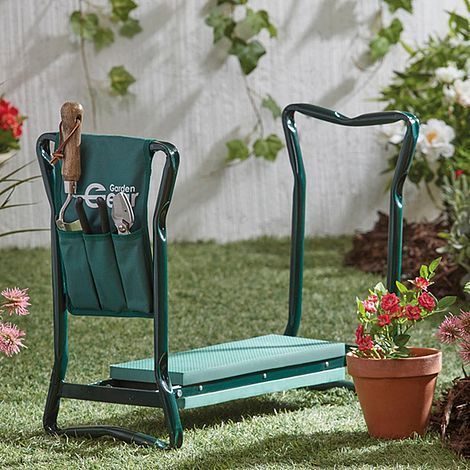
Protect your knees when gardening with this practical green kneeler and seat. It has been made with steel tubes and comfortable polypropylene foam so you can garden comfortably. There's also a small pouch on the side, making it easy to pop your tools in as you work.
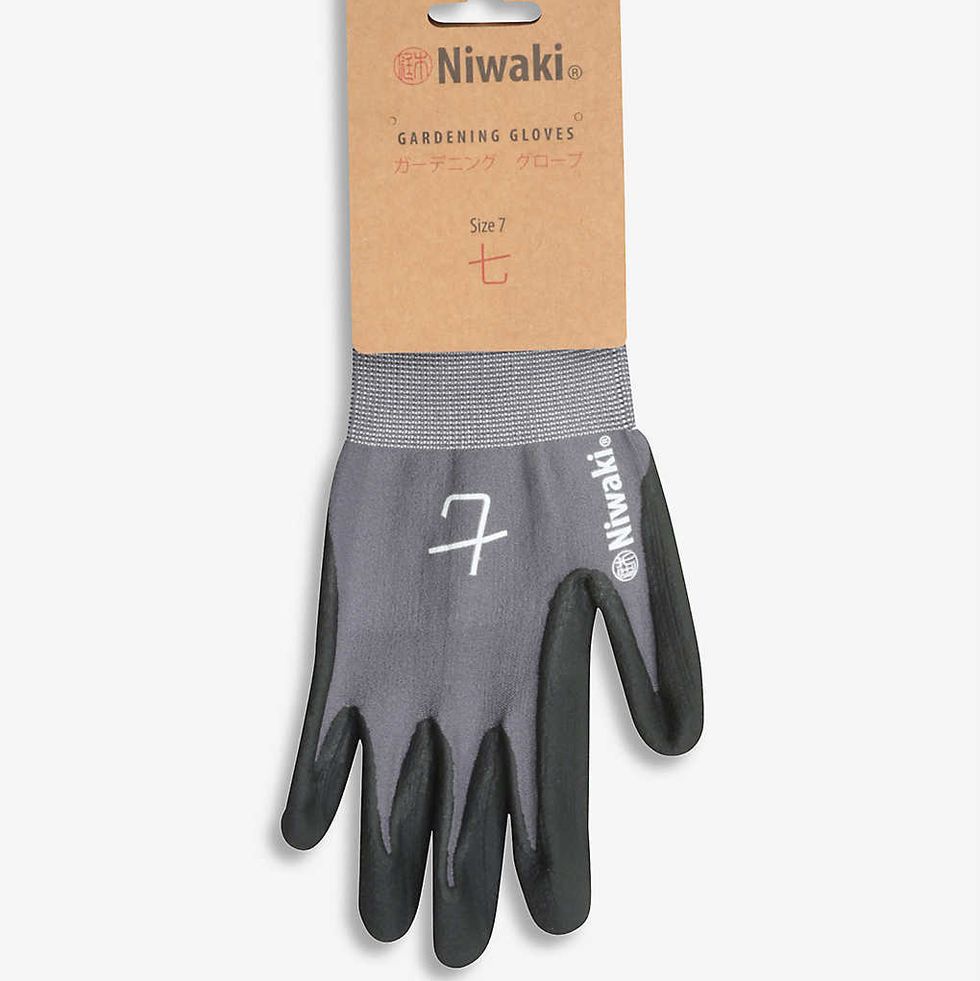
Protect your hands with these practical grey gardening gloves, made from a comfortable nylon and spandex liner. Best suited for potting and pruning, they have breathable lining and a nitrile grip coating.
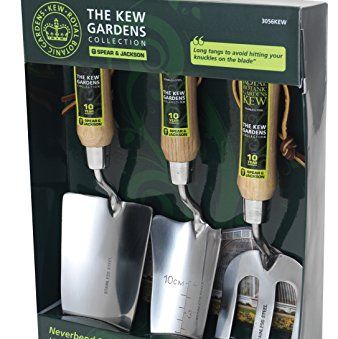
Developed alongside Kew Garden's horticultural team, this set features a weedfork, hand trowel and transplanting trowel. Ideal if you're on the hunt for a gift.
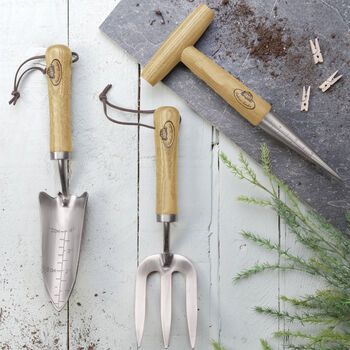
Crafted from wood and stainless steel, this lovely garden tool set is just what every gardener needs. The leather hooks make it easy to hang up in a shed, while the trowel has been marked in centimetres and inches to make planting easier than ever.
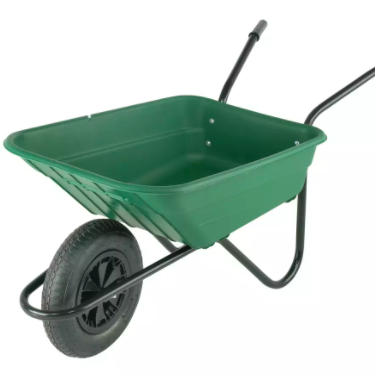
Walsall 90L Polypropylene Multipurpose Wheelbarrow
Every garden needs a wheelbarrow. In a classic green, this lightweight style from Argos is ideal for gardening, DIY work and equestrian uses.
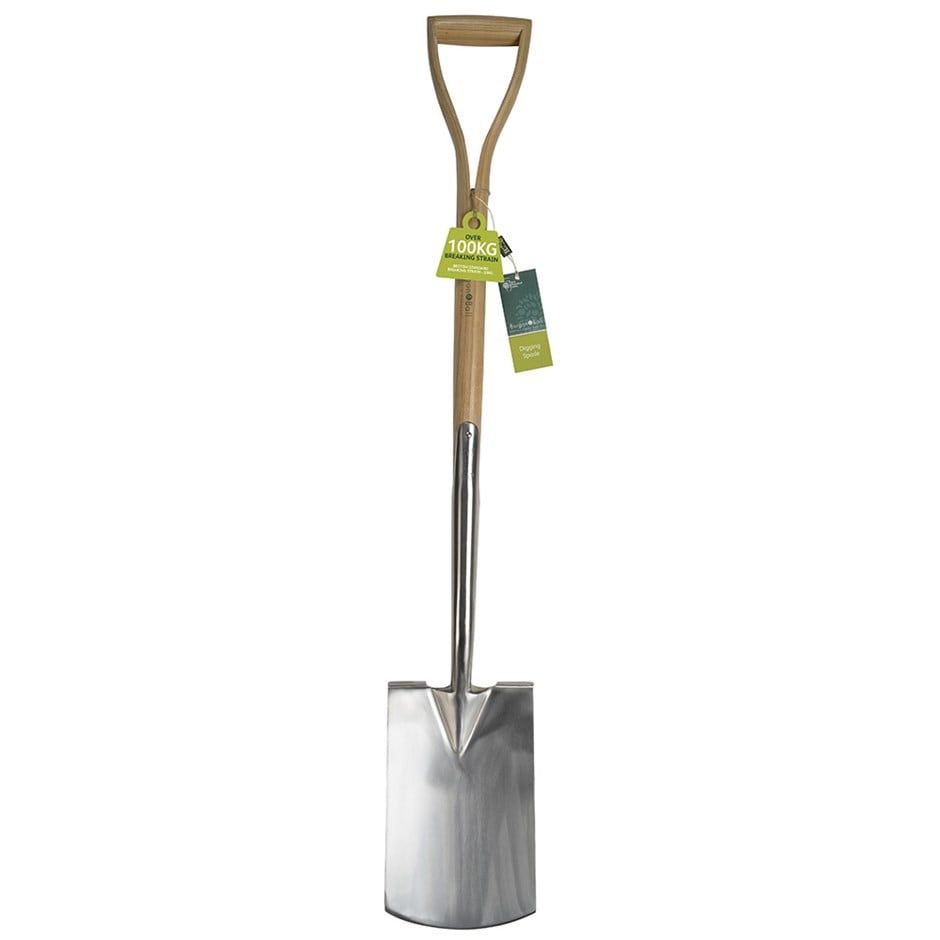
With a longer handle to ease back strain, this stainless digging spade has been created for all digging jobs. As well as this, the hardened steel blade is rust-resistant and will hold its edge without regular sharpening. Perfect for every avid gardener.
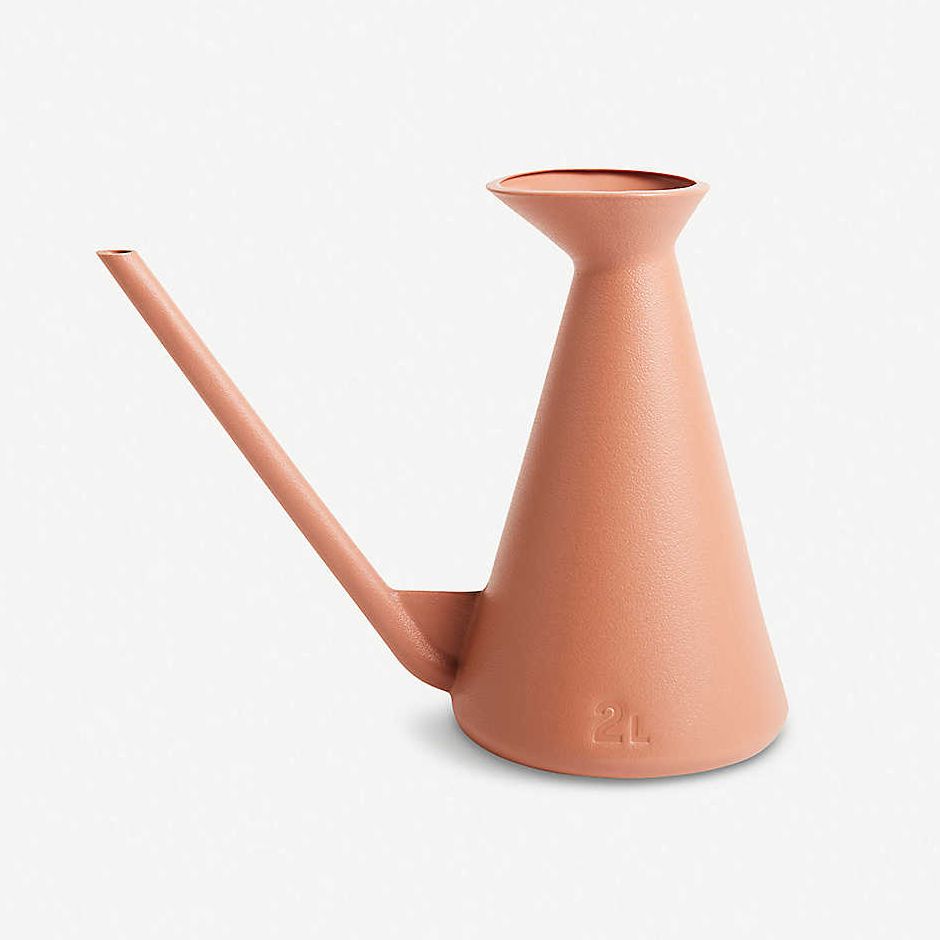
Keep your plants happy and healthy with this terracotta watering can. Designed by Shane Schneck, it boasts a no-spill lip and a shape that keeps water weight at its base.

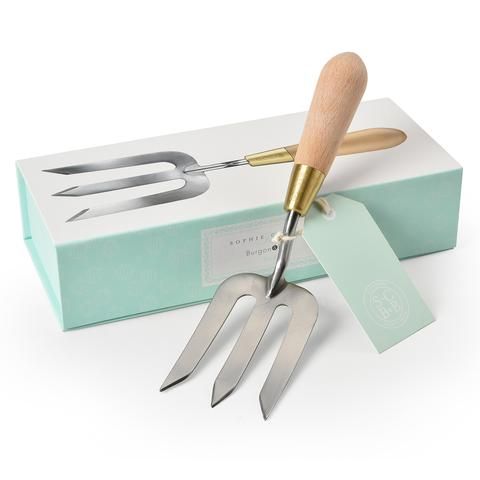
Tried and tested by the Good Housekeeping Institute, this garden fork from Sophie Conran is a stylish addition to any outdoor space. Made of stainless steel with a waxed beechwood handle, it has sharpened tines which cut through hard and soft soil very easily.
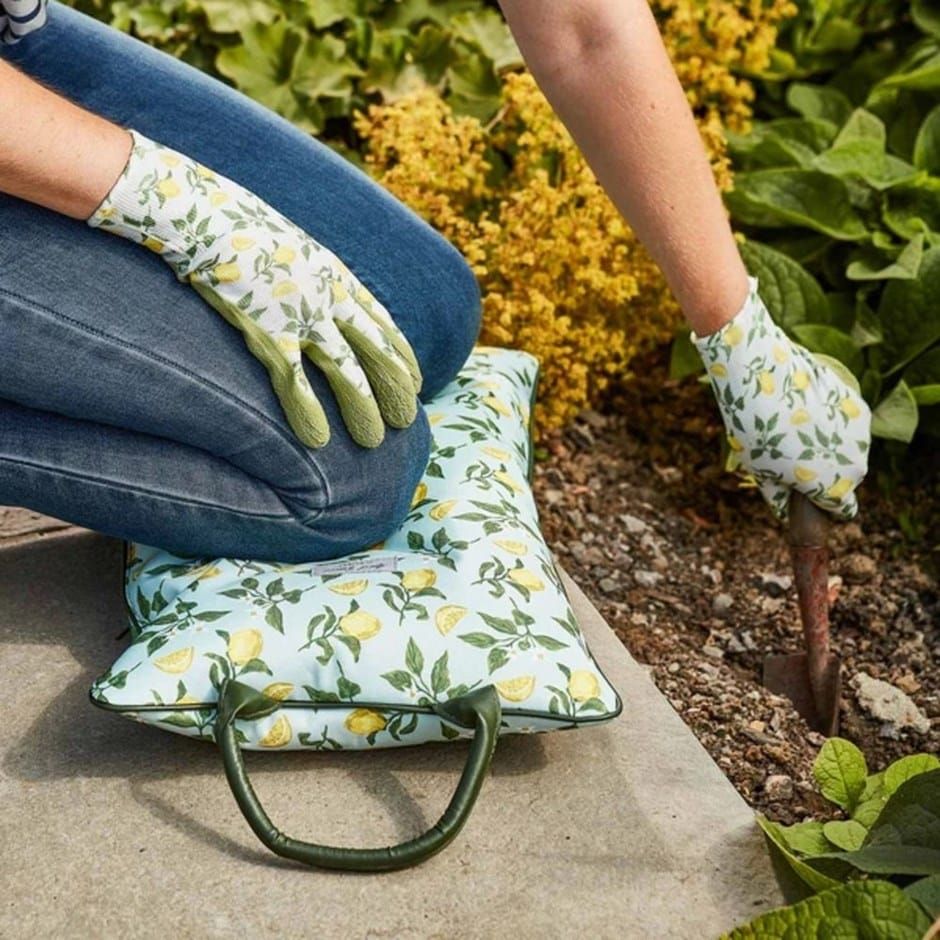
When life gives you lemons...buy a stylish kneeler pillow. With a generous size and soft foam filling, you can be sure to tackle those weeds comfortably without any pain.

Looking for some summer seeds? This pack includes thyme, mixed herbs, oregano and summer savoury, too. Ideal to spruce up a tired-looking lawn patch.
READ MORE: Plant these 11 wildflowers to create a bee motorway in your garden
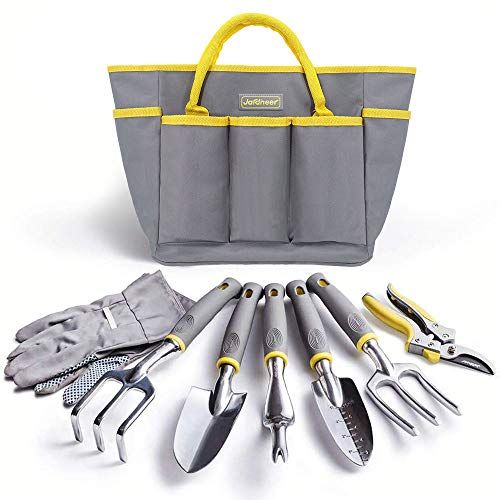
You'll find eight handy tools in this set, including pruning shears, a hand trowel, transplanter, weeder, cultivator, hand rake, gardening gloves and a tote bag. At just £40, it's a real steal buy.
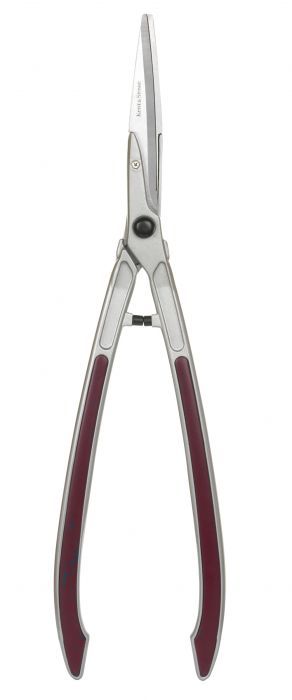
Trim your hedge just as you like with these 66cm topiary shears. Ideal for trimming and shaping, they have narrow pointed blades, rubber shock absorbers and a long length ergonomic design.
READ MORE: How to get rid of moles in the garden
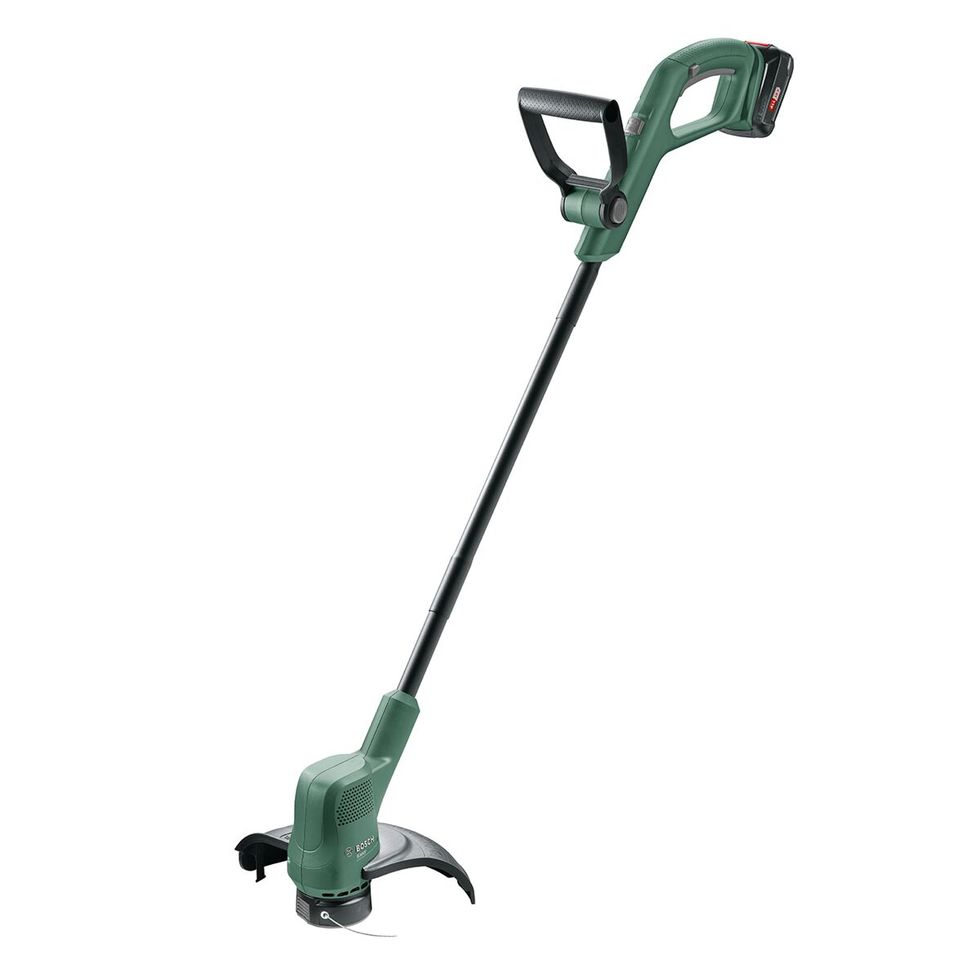
Providing high performance cutting with a clean finish, this grass trimmer from Bosch has an easy edging function which enables quick changes from trimming to edging. Ideal for reaching those tricker spots with ease.
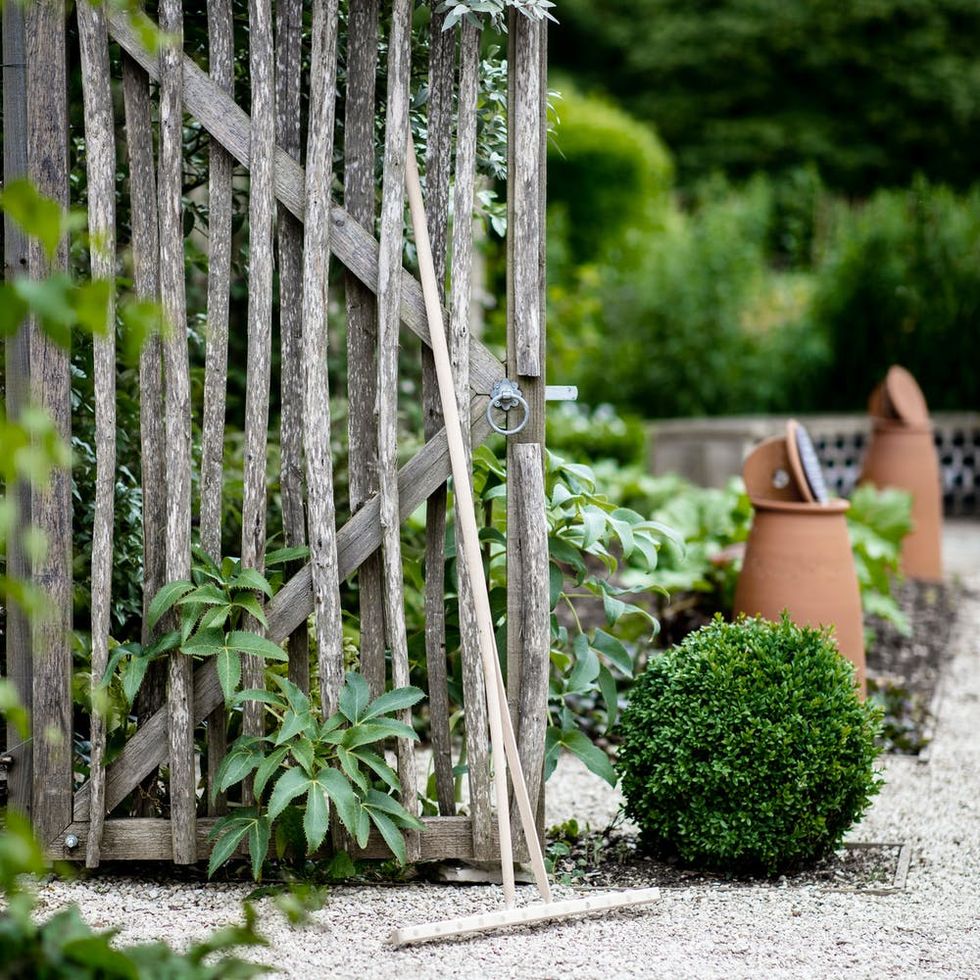
Sweep up leaves and fallen debris with this practical wooden rake from Garden Trading. Crafted from Beech, the strong wooden handle offers support, while the prongs allow for effective raking.
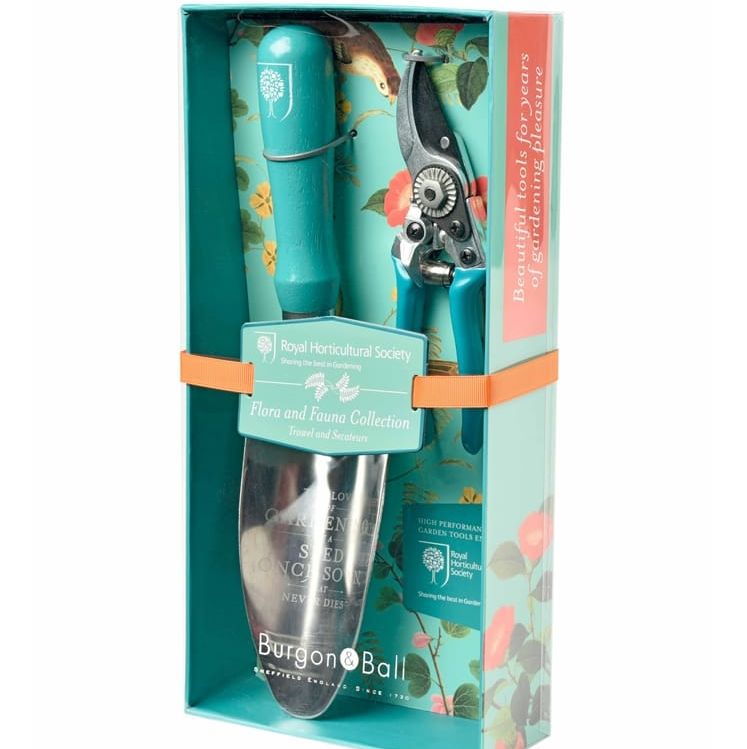
Presented in a beautiful box, this set includes a trowel and secateurs. Featuring artwork from the RHS Lindley Library, they're both a stylish and practical addition to any garden.
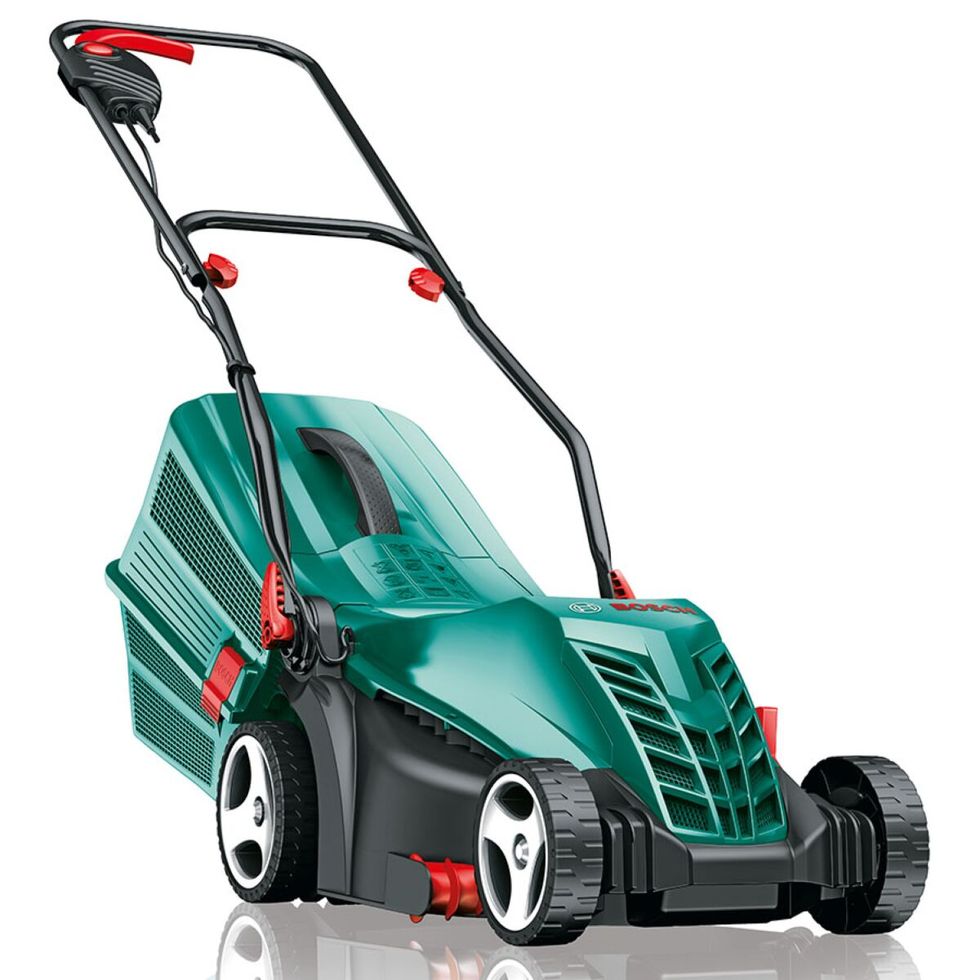
This electric lawnmower helps you to cut through long grass with ease, thanks to its innovative inset grass combs and lightweight design.
Like this article? Sign up to our newsletter to get more articles like this delivered straight to your inbox.
Looking for some positivity? Get Country Living magazine posted through your letterbox every month.

Becky is a freelance journalist based in Somerset, UK, specialising in all things home, gardens, lifestyle, and entertainment. With a love of classic rom-coms and a penchant for romanticising her own everyday life, she enjoys embracing cosy, slow living with her family and their crazy Welsh collie, Cookie. Becky has been published in publications such as Cosmopolitan, The Independent, The Evening Standard, The Telegraph, Collider, Happiful Magazine, OK! And many more.


