
While root vegetables and hardy greens are still growing, it's almost time to wind our gardens down for winter.
Part of that means putting away outdoor containers, including terracotta pots, which can be susceptible to frost damage.
Here's why winter is so rough on pots, and how to ensure yours last a little longer.
How cold weather damages pots
Terracotta pots, which are unglazed, are most susceptible to damage. Water can penetrate the walls of the clay pot when the temperatures are just above freezing, then expand and crack or even break the pot when it turns to ice.
Fully glazed pots are more weatherproof, as they won't absorb water, but they can still be damaged in the winter from the freeze/thaw cycle. If they're packed with moist soil, a hard freeze can expand the soil enough to crack them, especially if they're not draining well.
If the pots have a plastic liner, water can get trapped between the liner and the pot, and expand, causing cracks.


How to protect clay pots: the first steps to take
If you have a lot of clay pots of various sizes, consider which can easily be brought inside.
Pots that house annuals can be cleaned out and brought inside. Pots that have plants that go dormant—such as caladiums can be brought into a garage or basement, where they can overwinter without freezing through.
Larger pots can be more difficult to bring inside, of course. They can be unwieldy, as well as too big to move or store. In this case, there are still some steps you can take to protect them, and possibly even the plants they house.
How to protect pots you must leave outside
For pots that you plan to leave outside all winter, above ground, here are the things you can do to help them last longer:
- Use glazed pots. Buy glazed ceramic pots instead of terracotta pots for any permanent outdoor containers. They're more expensive, but they'll last a lot longer.
- Add lava rocks. Placing large lava rocks or other big stones in the bottom of a large pot before adding potting soil will help with drainage, so that the pot doesn't retain water that later freezes. It also helps to create empty space in the pot, so that if there is a freeze, the water can expand without putting pressure on the pot.
- Cover the pots. It may seem like a no-brainer, but if you can place the pot in a covered area, like a lean-to or an open shed or carport, then you can prevent rain and snow from getting to it.
- Group pots together. If your pots are moveable, you can group them together and then cover them with hay or mulch. This will help to insulate the containers, which is better both for the plants and for the pots.
- Place pots on stands. If your pot is sitting directly on a tray, the water in the tray can freeze and damage the pot as well. Placing it up on a stand will also help with drainage, and avoid the plant sitting in water.
- Wrap in bubble wrap. Though it doesn't look the prettiest, this last-resort option is great for managing short freezes. the air trapped in bubble wrap will insulate the pot from the cold a little, and may help prevent the freeze from cracking the clay.
17 best gardening tools to buy now including spades, trowels and rakes
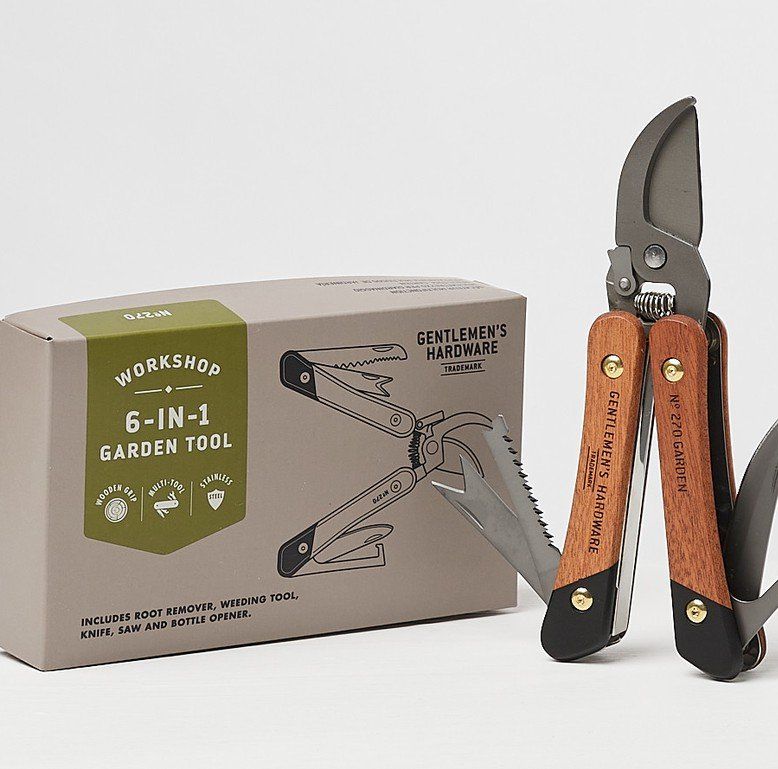
Give your garden plants some love this summer with this useful multi-tool. Finished in titanium with brass fixings, this tool features six different functions including secateurs, a root remover, knife, saw, bottle opener and an easy weeding utensil.
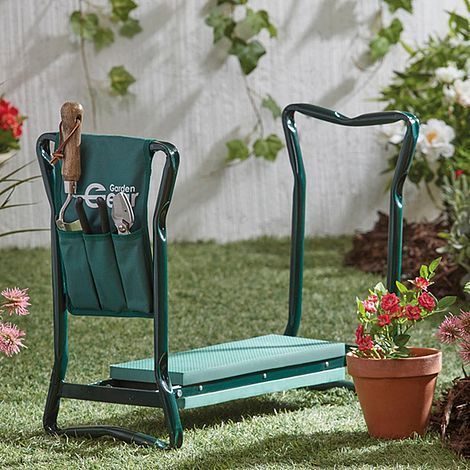
Protect your knees when gardening with this practical green kneeler and seat. It has been made with steel tubes and comfortable polypropylene foam so you can garden comfortably. There's also a small pouch on the side, making it easy to pop your tools in as you work.
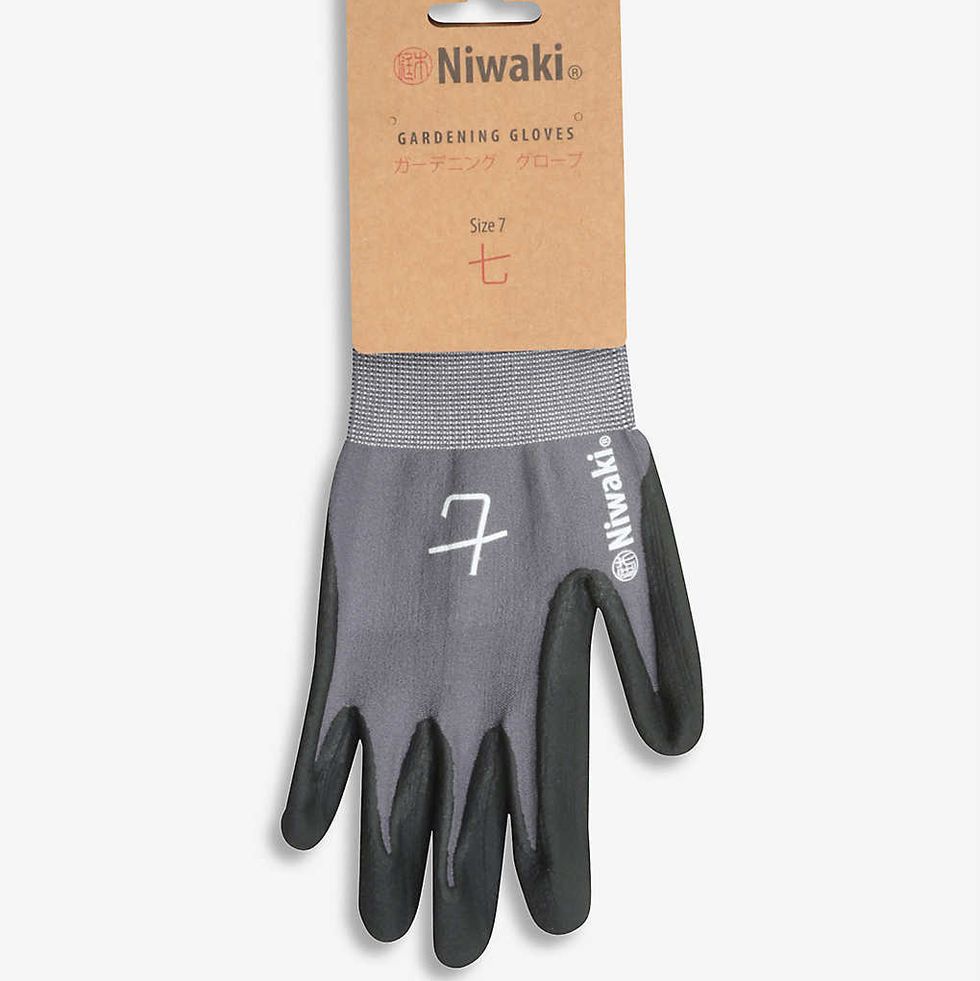
Protect your hands with these practical grey gardening gloves, made from a comfortable nylon and spandex liner. Best suited for potting and pruning, they have breathable lining and a nitrile grip coating.
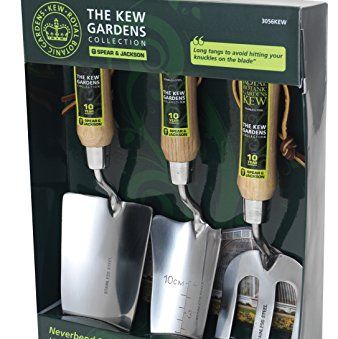
Developed alongside Kew Garden's horticultural team, this set features a weedfork, hand trowel and transplanting trowel. Ideal if you're on the hunt for a gift.
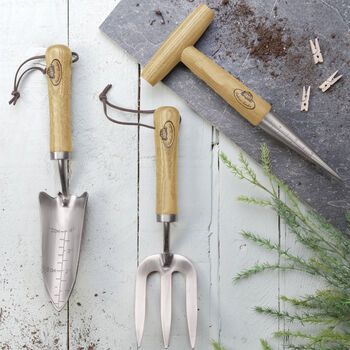
Crafted from wood and stainless steel, this lovely garden tool set is just what every gardener needs. The leather hooks make it easy to hang up in a shed, while the trowel has been marked in centimetres and inches to make planting easier than ever.
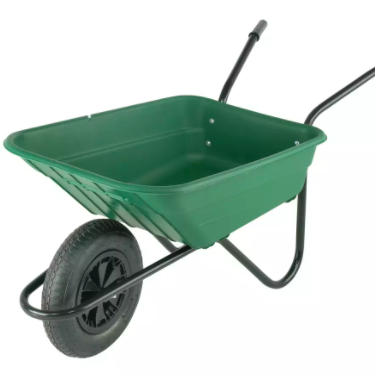
Walsall 90L Polypropylene Multipurpose Wheelbarrow
Every garden needs a wheelbarrow. In a classic green, this lightweight style from Argos is ideal for gardening, DIY work and equestrian uses.
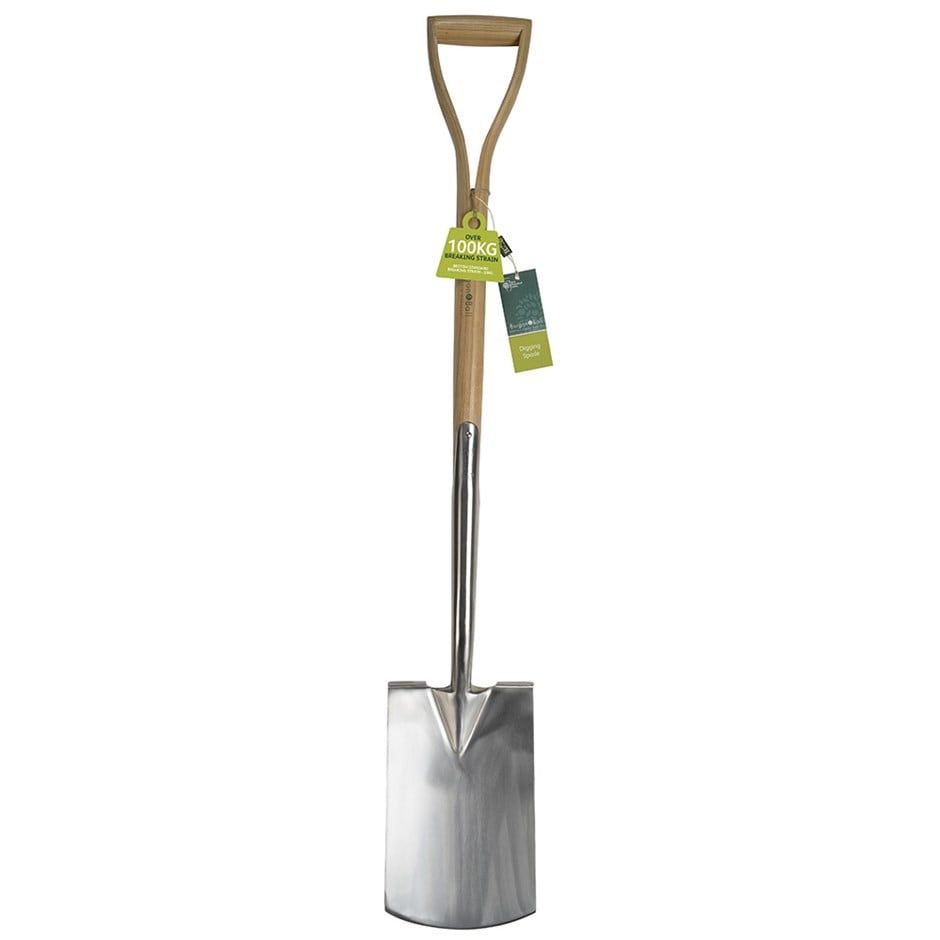
With a longer handle to ease back strain, this stainless digging spade has been created for all digging jobs. As well as this, the hardened steel blade is rust-resistant and will hold its edge without regular sharpening. Perfect for every avid gardener.
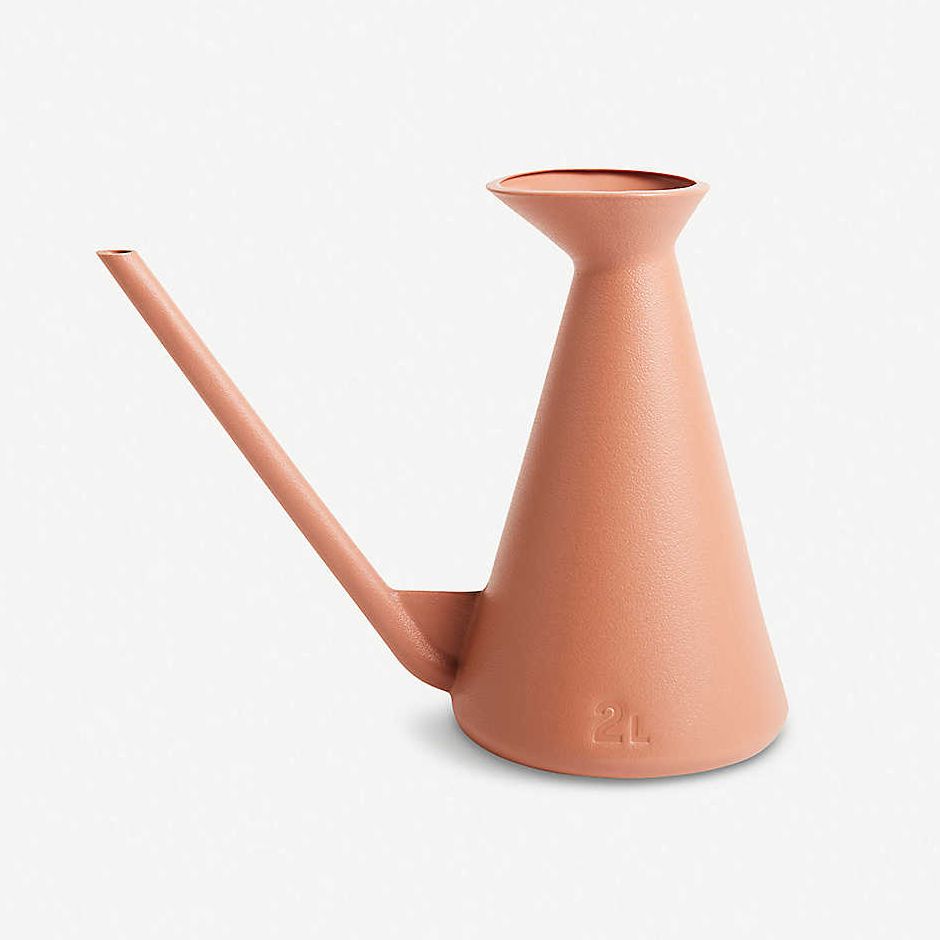
Keep your plants happy and healthy with this terracotta watering can. Designed by Shane Schneck, it boasts a no-spill lip and a shape that keeps water weight at its base.

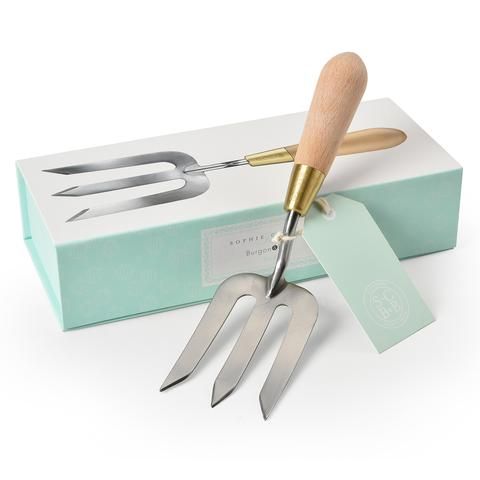
Tried and tested by the Good Housekeeping Institute, this garden fork from Sophie Conran is a stylish addition to any outdoor space. Made of stainless steel with a waxed beechwood handle, it has sharpened tines which cut through hard and soft soil very easily.
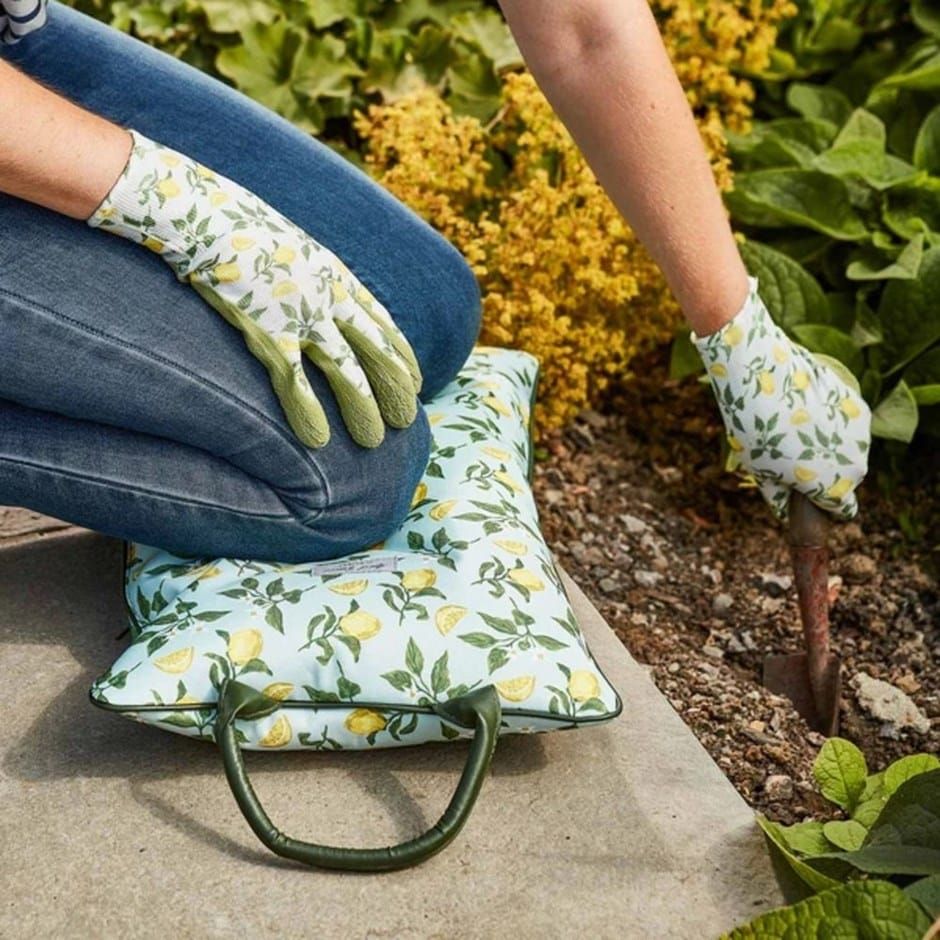
When life gives you lemons...buy a stylish kneeler pillow. With a generous size and soft foam filling, you can be sure to tackle those weeds comfortably without any pain.

Looking for some summer seeds? This pack includes thyme, mixed herbs, oregano and summer savoury, too. Ideal to spruce up a tired-looking lawn patch.
READ MORE: Plant these 11 wildflowers to create a bee motorway in your garden
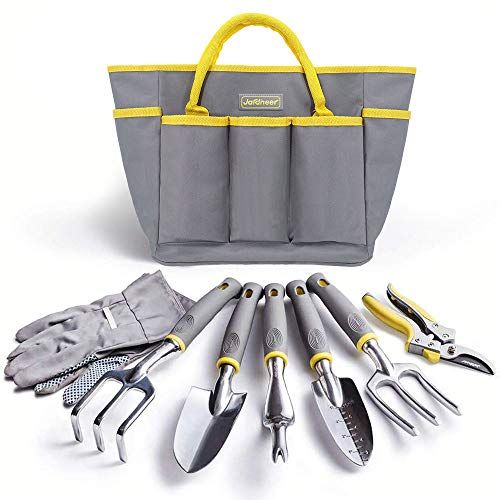
You'll find eight handy tools in this set, including pruning shears, a hand trowel, transplanter, weeder, cultivator, hand rake, gardening gloves and a tote bag. At just £40, it's a real steal buy.
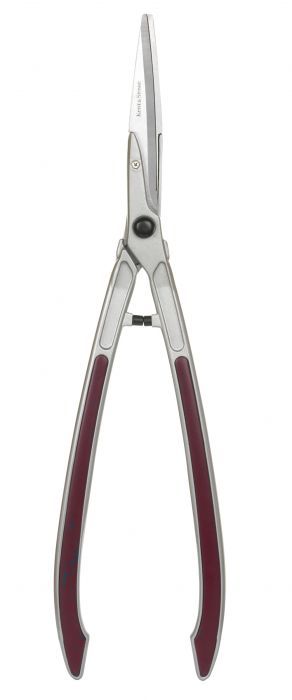
Trim your hedge just as you like with these 66cm topiary shears. Ideal for trimming and shaping, they have narrow pointed blades, rubber shock absorbers and a long length ergonomic design.
READ MORE: How to get rid of moles in the garden
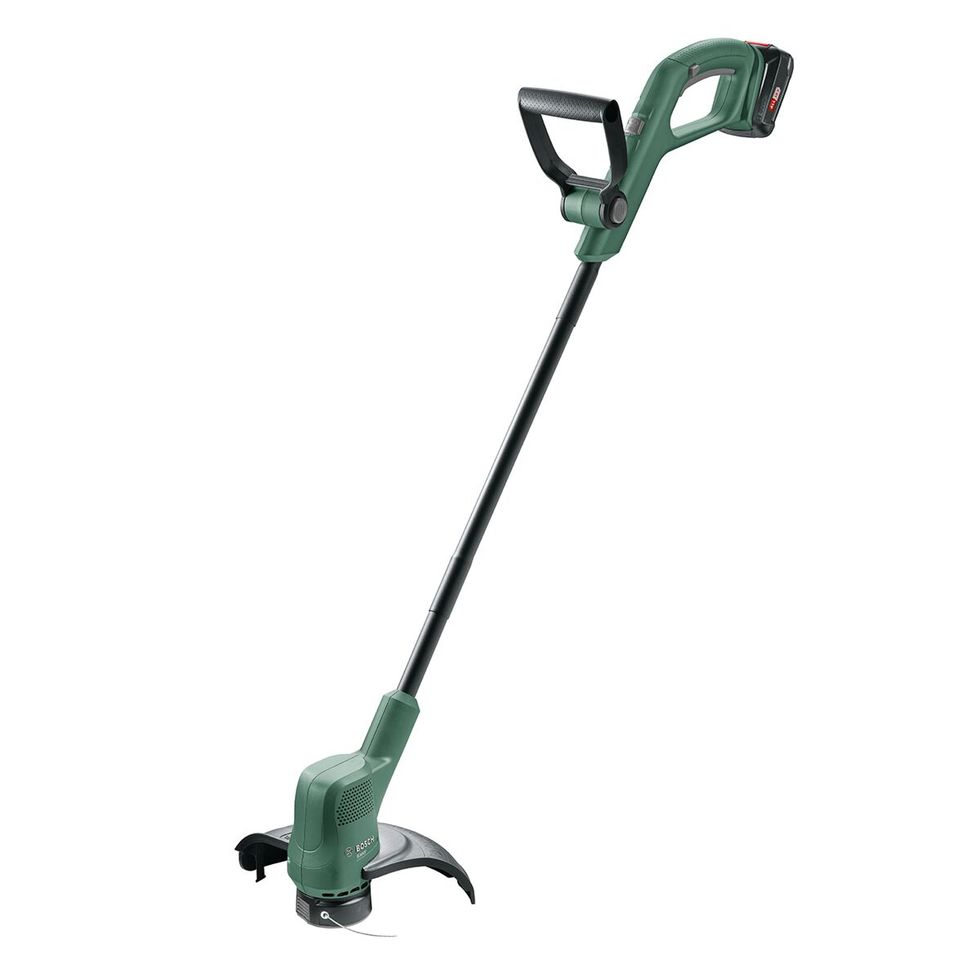
Providing high performance cutting with a clean finish, this grass trimmer from Bosch has an easy edging function which enables quick changes from trimming to edging. Ideal for reaching those tricker spots with ease.
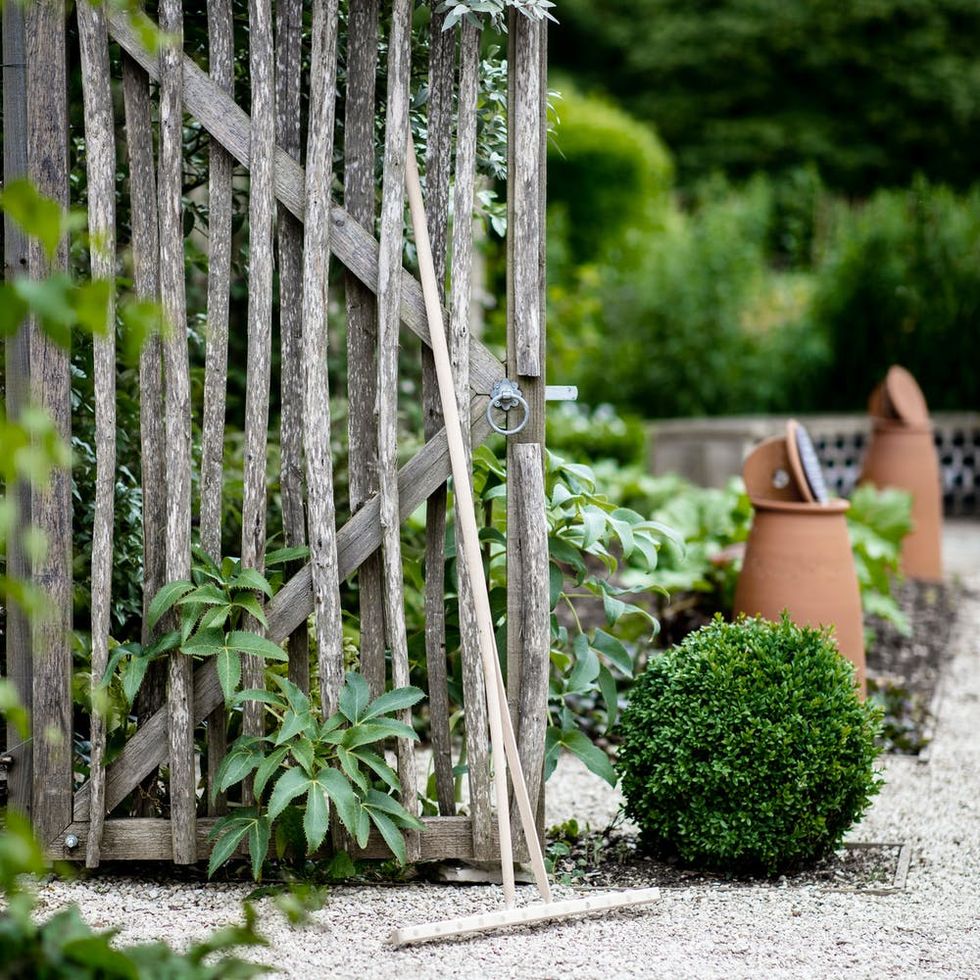
Sweep up leaves and fallen debris with this practical wooden rake from Garden Trading. Crafted from Beech, the strong wooden handle offers support, while the prongs allow for effective raking.
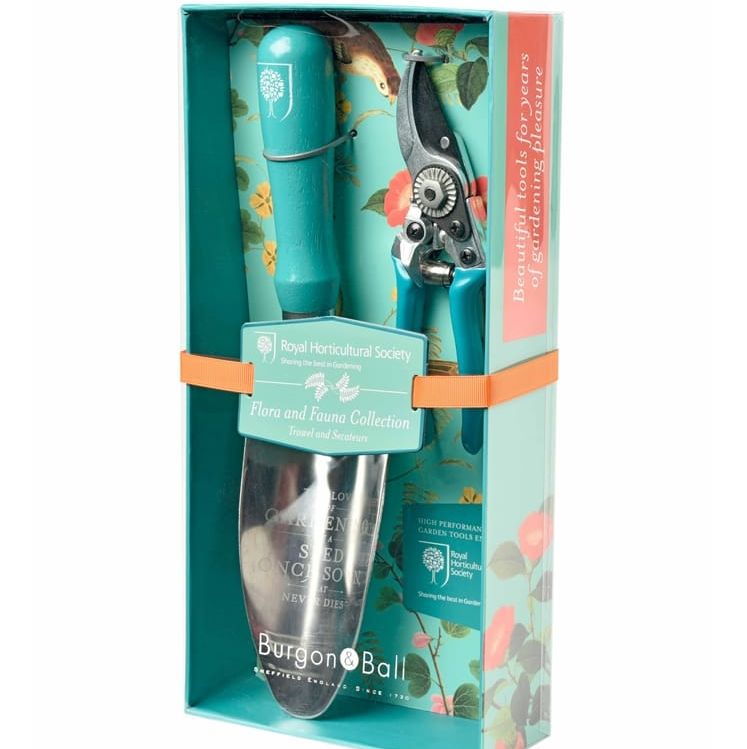
Presented in a beautiful box, this set includes a trowel and secateurs. Featuring artwork from the RHS Lindley Library, they're both a stylish and practical addition to any garden.
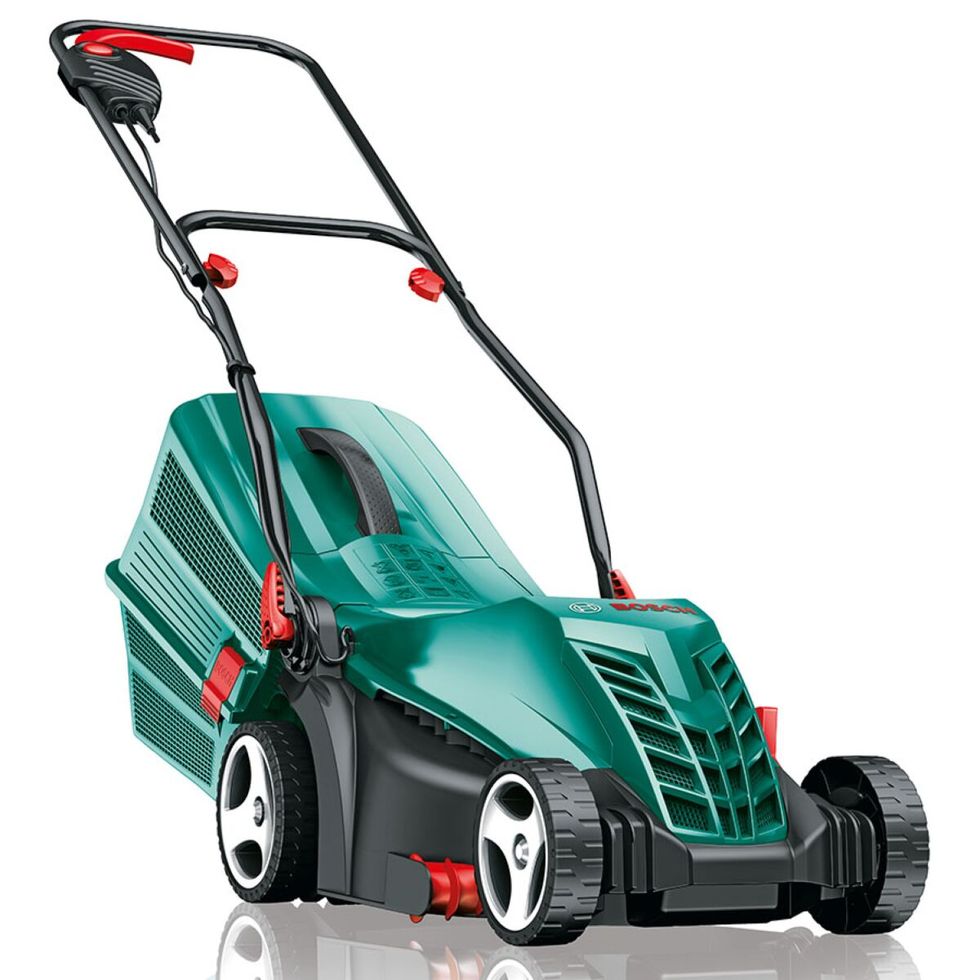
This electric lawnmower helps you to cut through long grass with ease, thanks to its innovative inset grass combs and lightweight design.
Like this article? Sign up to our newsletter to get more articles like this delivered straight to your inbox.
Looking for some positivity? Get Country Living magazine posted through your letterbox every month.

Christopher Michel is the former Senior Food and Gardens Editor at Country Living Magazine. Chris has well over a decade of experience writing and editing for national magazines and websites, mostly in the food space, such as Cooking Light, The Kitchn, Rodale’s Organic Life, and Bon Appetit. Prior to that, Chris worked in a variety of food spaces in New York City. In 2022, Chris completed the Alabama Master Gardener’s Program hosted by the Alabama Cooperative Extension System. Chris lives in Birmingham, AL, where he enjoys running, reading, and cooking for his wife and two girls.


