The Lyrid meteor shower – set to light up skies from 16 April before it peaks on 22 April – is one of the oldest star shows, with the first observation by Chinese astronomers dating back to 687 BCE, over 2,700 years ago.
Marked by an exceptionally bright fireball and 10-15 meteors an hour (occasional surges can deliver 100 per hour though), this celestial wonder is the result of the Earth passing through dust left behind by Comet Thatcher centuries ago.
Distinctive for its colours, mainly white streaks are interspersed by bursts of blue, green, yellow or orange, this annual event is best seen in clear, dark, wide open skies – think Kielder Forest in Northumberland, Galloway Forest Park in Scotland and Exmoor National Park in South West England.
To watch it from closer to home, turn off any outdoor lights, give your eyes 20-30 minutes to acclimatise and avoid looking at your phone.


Best time to watch
NASA says the best time to witness the Lyrid meteor show is during the dark hours after moonset, when the moon disappears behind the horizon, and before dawn, when the radiant – the specific point in the sky from which all the meteors appear to originate – is higher in the sky.


Do you need special equipment?
Luckily, meteor showers are visible with the naked eye – there's no need for a telescope. You might benefit from a reclining chair, warm layers and a red-light torch if you need light.
For 2026, conditions look fairly good because the moon is a waxing crescent that sets after midnight, so it should interfere less with the best pre-dawn viewing period.


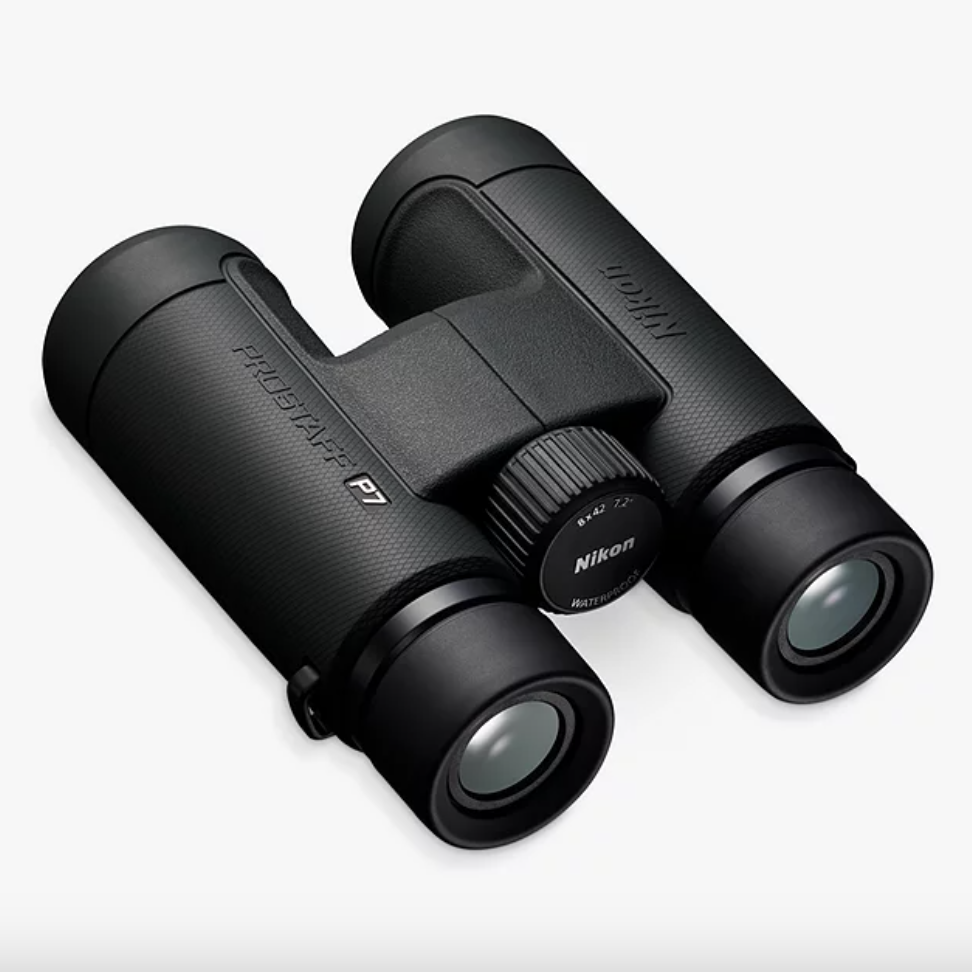
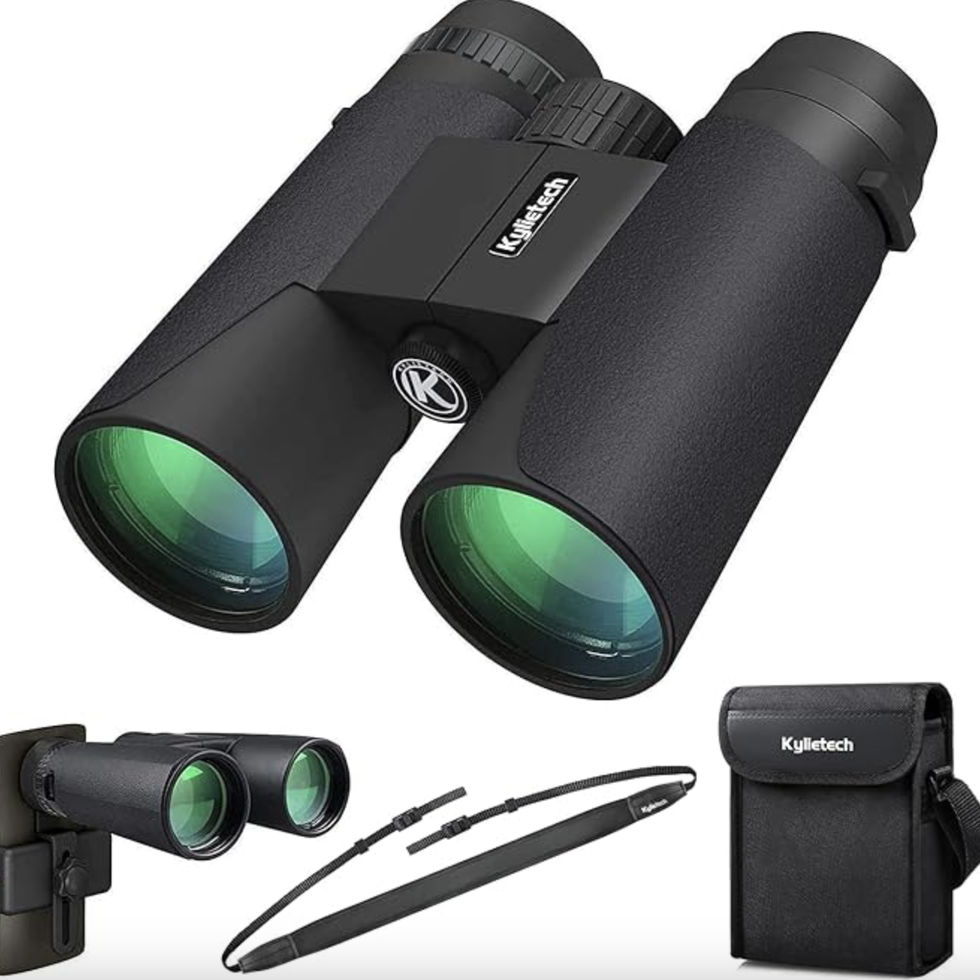
Binoculars for stargazing