
Dogs have a universal body language that can be both subtle and wide-ranging. From eating habits to belly rubbing preferences, are you able to debunk the common dog body language myths to help you be a better pet parent?
In order to help owners, veterinary expert Dr Linda Simon at pet wellness brand Pooch & Mutt, has debunked some of the most common myths and misconceptions about our four-legged friends. Take a look at the full list below...
1. Dogs' saliva is full of good bacteria — and can help heal wounds
While some research suggests that dog saliva has antibacterial properties, Dr Linda says that a dog's mouth is teeming with pathogenic bacteria. In fact, if they lick wounds, is it far more likely that they too will become infected.
2. Lying on their back means they want their belly rubbed
"This is not always true. Whilst it is nice to think your dog is asking for a belly rub when laying on its back, it can actually be a sign of submission and anxiety. Often it means that they are worried and approaching them could make them worry more," explains Dr Linda.
"Much like the tail wagging, keep an eye on the type of body language that is displayed alongside this to better gauge how they are feeling, and how you should or shouldn't respond."
3. A wagging tail means your dog is happy and friendly
Dogs will wag their tails to convey an array of emotions, but does it really mean they are happy? According to Dr Linda, this all depends on the other body language the wagging tail is accompanied by.
"If your dog is wagging their tail but is at the same time exhibiting tense or nervous body language, then this could be a sign of anxiety or even aggression. However, if your dog seems calm and relaxed and its tail is wagging, then yes, you have one happy pooch!"

4. Tennis balls are great a great chew toy
Many dogs enjoy chewing tennis balls for pleasure, however they can break down into pieces which could create a high risk for your pup. As well as this, tennis balls made for sport purposes often contain toxic chemicals.
"There are far better things to offer your dog if they like to chew things, such as dental sticks or split deer antlers. Save your tennis balls for a game of catch!"
5. Dogs bury high-value treats to protect them
Does your furry friend often bury their favourite toys and treats? A clever way to protect items they love, dogs who bury valuables tap into an age-old instinct that has been passed down from wild dogs.
"This is now replicated in domesticated dogs, as they will hide treats they consider to be of high value in fear that they will be taken away from them," adds Dr Linda.
6. Only happy, healthy dogs get 'the zoomies'
Zoomies in dogs is generally caused by a build-up of excess energy which is then released in one short burst. While many people believe that only happy dogs can get them, it is actually more common in dogs with underlying behaviour issues and anxiety. The experts also explain that dogs who are provided with less mental and physical stimulation are more likely to experience this energy burst.
7. If your dog eats grass it means they are sick
Despite many common myths, the majority of grass-eating dogs do not get sick when they eat grass. While it is true that sometimes a dog feels nauseous when eating grass, they will often eat it simply because it tastes nice.

8. If your dog's nose is dry it means they are unhealthy
"A dry nose definitely does not always mean that there is something wrong with your dog health wise, in fact, a dry nose is quite common in older dogs," Dr Linda explains. "A better way to keep an eye on your dog's health is by checking their gums, if they seem dry or pale, this is a far clearer indication of underlying health issues."
9. Dogs can only see in black and white
The idea that dogs can't see colour was widely accepted for decades, however they can see much more than just black and white — and can certainly distinguish certain colours around them.
10. You can't teach an old dog new tricks
Dogs are innately good learners, meaning that old pups can indeed learn new tricks. According to the experts, it's a great idea to continue with right training into senior years as this could help stave off canine dementia.


11. You should allow female dogs to have a litter before being spayed
"Definitely not good advice. There are too many unwanted puppies in the world and the bitch will not benefit in any way from experiencing pregnancy and labour, in fact, you could put her health at risk by doing this," explains Dr Linda. "Only the healthiest bitches with the best personalities should be bred from."
12. Certain dog breeds are more aggressive than others
While some dog breeds are more prone to guarding behaviours, any breed is capable of becoming aggressive without the proper training. It's important to remember that a dog's temperament is mostly down to its owners and the way they train their pup.
13. Dogs lick you because they like you
"Most often dogs will lick to communicate or to 'taste' you to see where you've been. However, some do it as a form of affection, especially if their owner makes them feel that it is something they enjoy."


14. Male dogs will be better behaved after being castrated
If your dog has behavioural issues, castrating them is not a way to solve this. According to Dr Linda, seeking help from a dog behaviourist would be a far more effective option.
15. Dog years go up in multiples of 7 except it's 10 in their first year
"This is a really simplified version and it actually depends on the breed and lifestyle of the dog," says Dr Linda. "A 10-year-old chihuahua is middle-aged, while a 10-year-old Great Dane is a very elderly senior, so whilst their age might be the same, they are in fact, at very different stages of their life."
24 indestructible dog toys for aggressive chewers
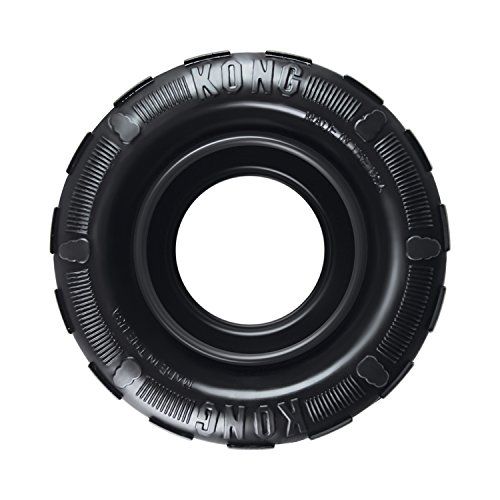
KONG Tires Durable Rubber Chew Toy and Treat Dispenser for Power Chewers
This tyre-shaped chew toy has been made from durable rubber, so it's perfect for determined chewers. It also gives owners the chance to fill the inside with tasty treats, too. Available in two sizes for you to choose the best for your breed.
READ MORE: 6 dog games great for training and bonding
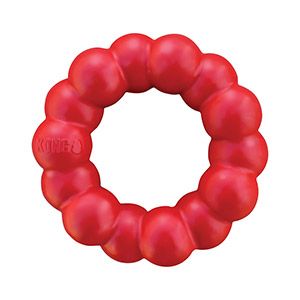
Built for durability, this bright red dog toy will offer your four-legged friend mental and physical stimulation. Starting from £9, it's a real steal buy.

Made from hemp and recycled cotton, this rope ring's tough fibres work to clean your pup's teeth while also being a whole lot of fun to play with.

Soft yet durable, this cute grey bear has minimal stuffing and an internal knotted rope skeleton.

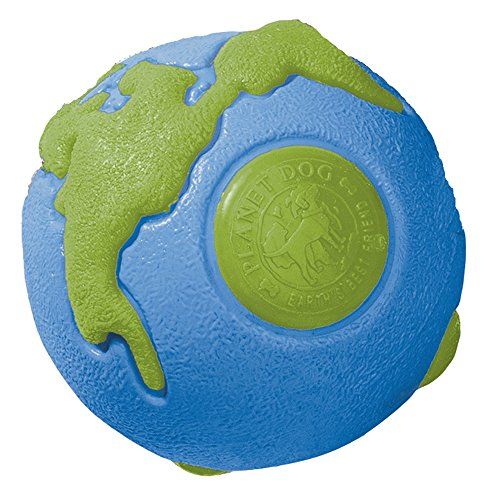
One of the toughest dog balls on the market, this sweet 'planet' design has been made with award-winning Orbee Tuff material. Certain to provide hours of fun...

Ideal for dogs who love to swim, this floating fabric toy has a handle and is designed with abrasion-resistant materials for increased durability. Make sure not to forget it on your next beach trip.
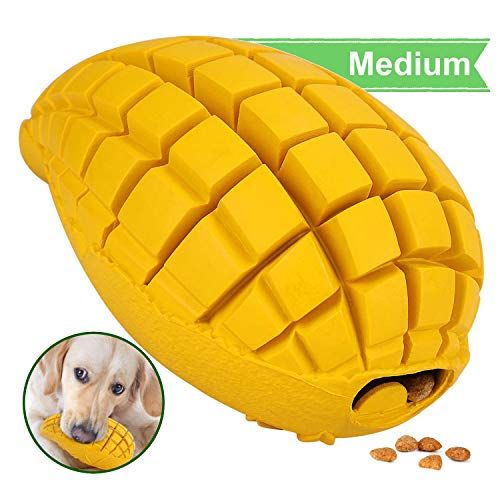
This durable rubber mango toy — which can be filled with dog treats — is sure to provide hours of chewing fun. Perfect for small and medium dog breeds.

Keep your dog entertained for hours with this purse-friendly squeaky toy shaped like a carrot. Plus, we love that you can pick this up at the supermarket as you do your weekly food shop or even have it delivered with your groceries.
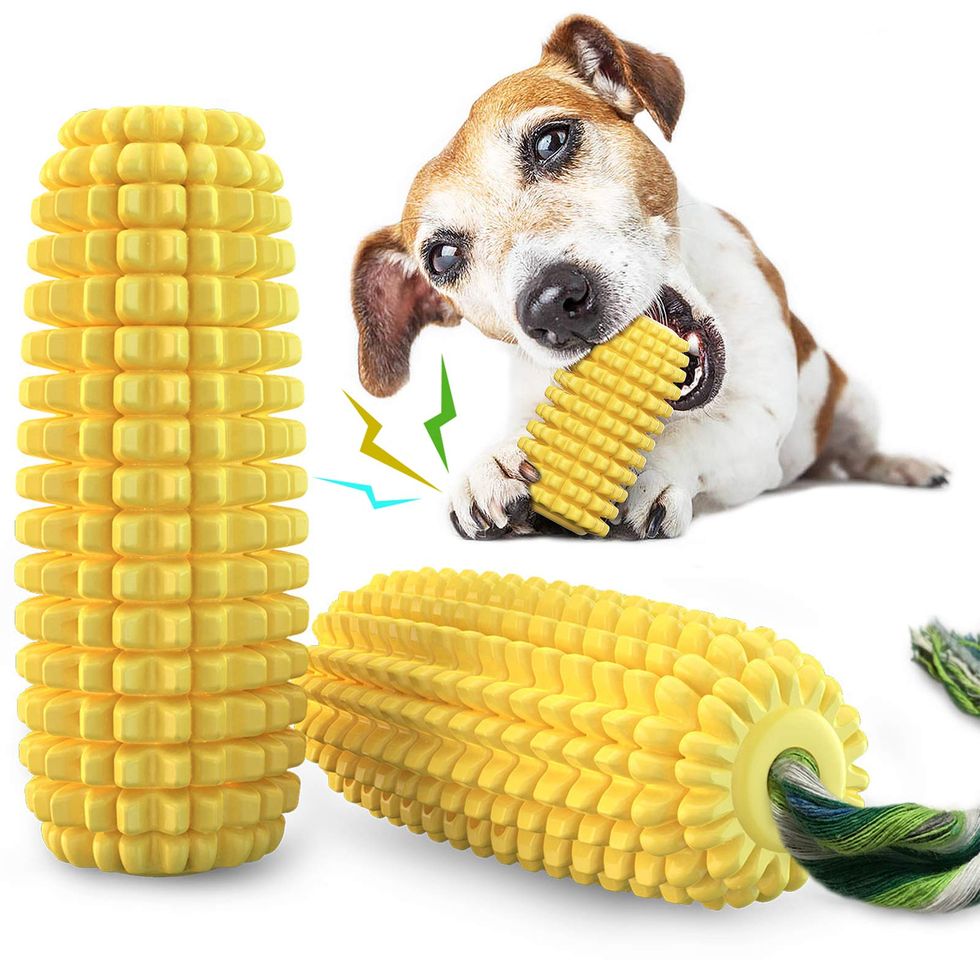
Give your dog one of their five a day with this sweetcorn chew toy. It has been designed especially for aggressive chewers and is suitable to small, medium, and large dogs in any breeds. We think dogs will love its small sound function.

If your pup is a fiend for peanut butter, you might want to introduce this peanut butter flavour chew toy into their playtime routine. The T-shape allows them to grip it easily with their paws while the raised nubs on it can help keep their teeth clean.

If they prefer the taste of bacon, why not try this double-bend bone toy. It's available in a range of sizes to ensure that your dog doesn't miss out on this tasty treat.

Let the fun commence with this long-lasting squeaker football dog toy. Perfect for keeping your dog entertained in the garden.
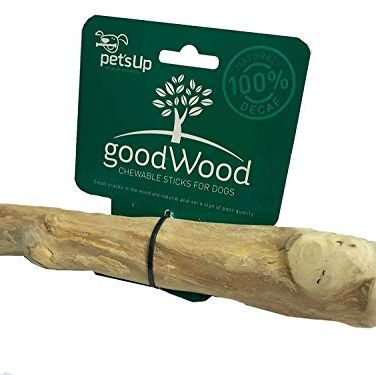
This durable wooden stick is great for dogs who love to chew regularly. While keeping your dog occupied for hours, it's also great for their dental hygiene.

Built to last, this fun donut dog toy has been made from high-quality material and will not wear down dogs' teeth.
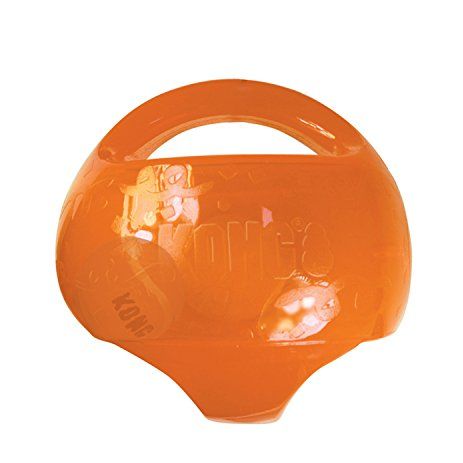
This bright fetch toy is ideal for interactive fun. It has a squeaker and a practical handle for throwing at your pup. We're certain they'll love this!

Made from three strands of heavy duty tightly woven rope, this traditional rope toy is perfect for medium or larger breeds and can withstand some serious pulling and tugging.
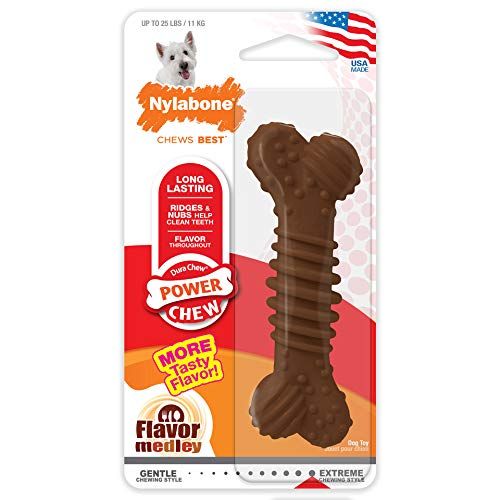
This chew toy encourages healthy, non-destructive chewing habits with dogs. And it also has a tasty flavour to it too.
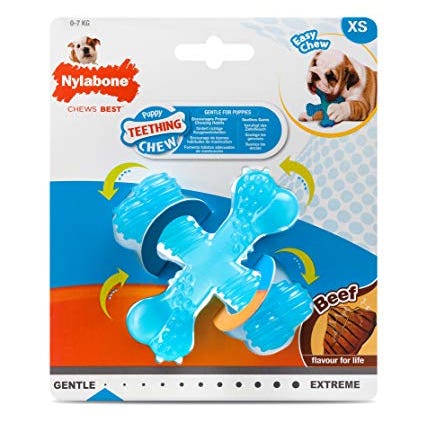
Great for young puppies, this gentle bone will help teething pups who have not yet formed any adult teeth.
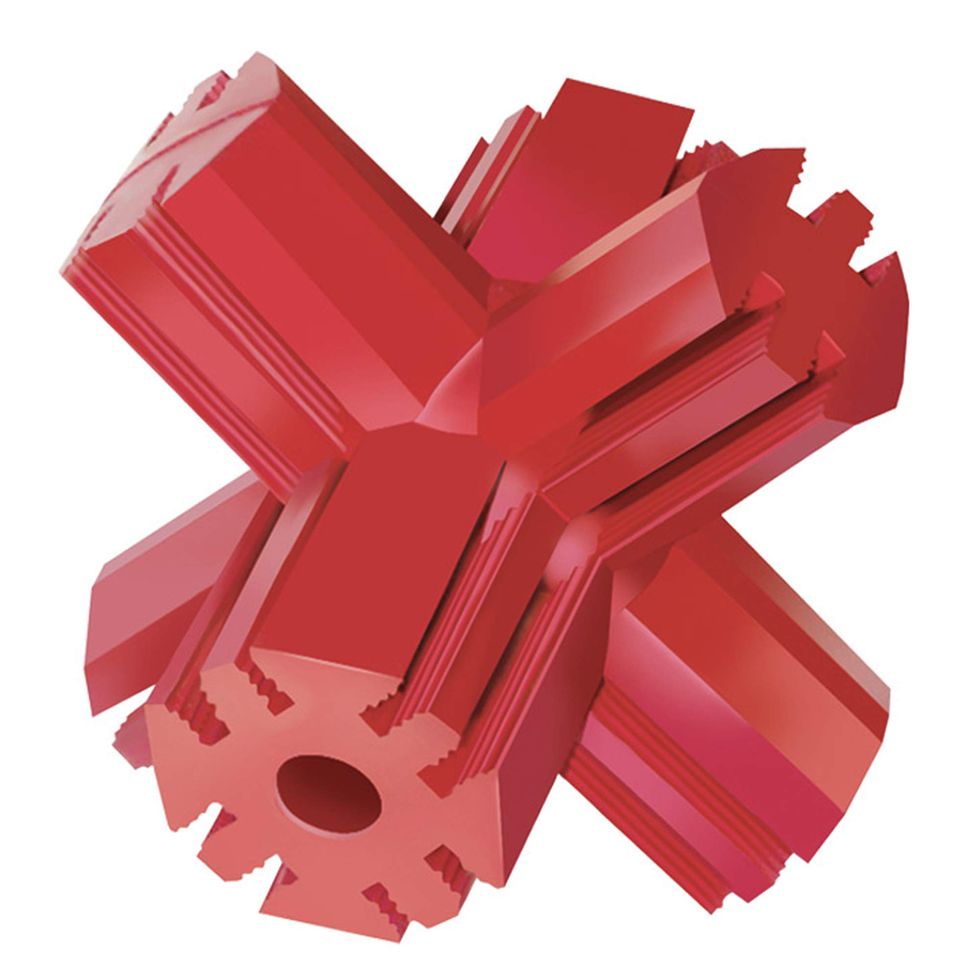
We love this unique toy, which is great for chew sessions and endless fun. Top tip: fill with peanut butter to extend playtime and satisfy chewing instincts.
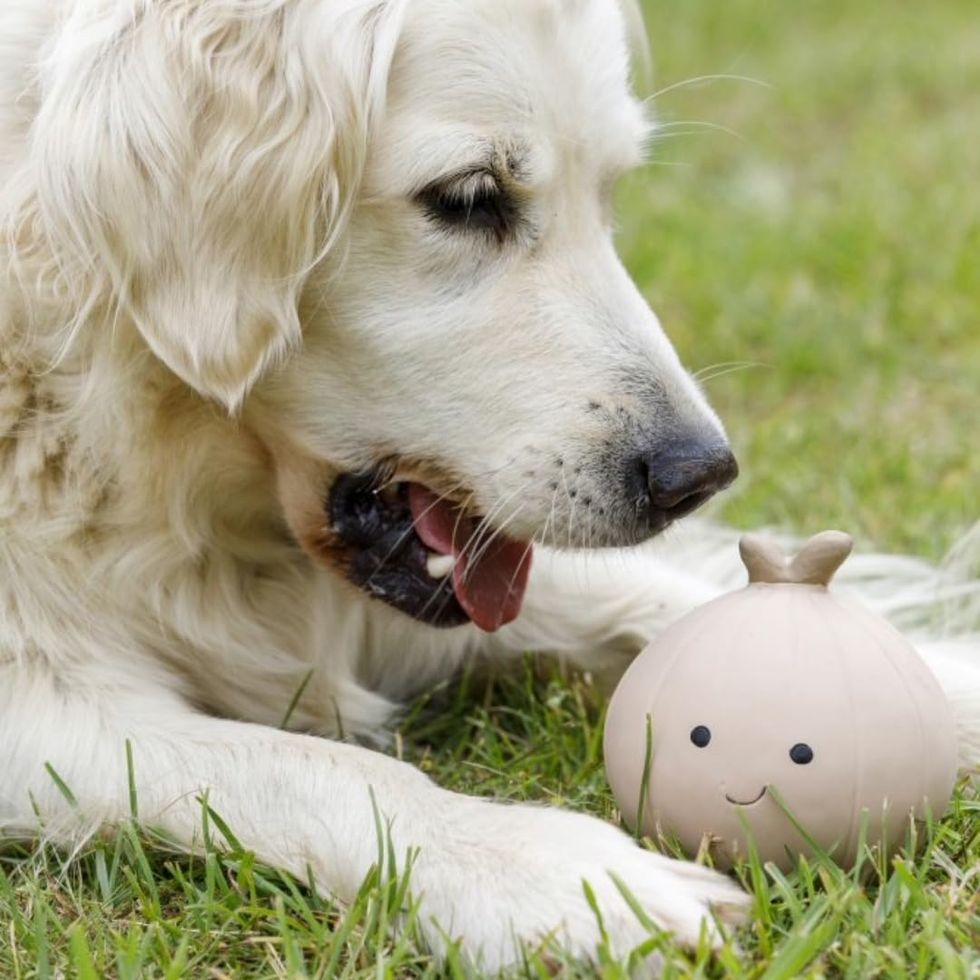
In a blush pink, this large onion toy is surprisingly durable. Best of all, it's currently on sale for less than £3.50.

Another great option if your dog loves to play fetch, this durable fetch stick toy not only makes it easier for them to spot where their stick has landed when you're out on a walk or a trip to the park. But it also works for all dogs of all sizes.
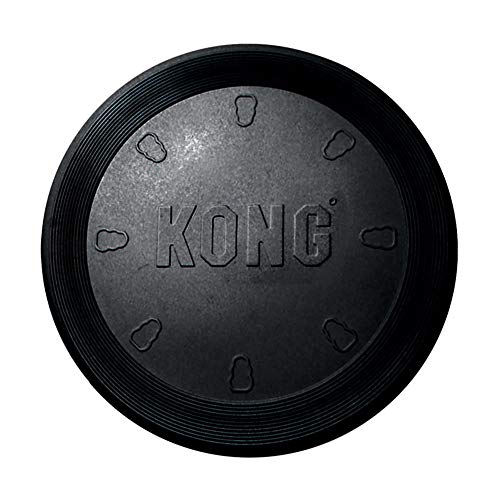
Looking for a durable rubber frisbee? Well, look no further, as this red style from KONG is perfect for keeping your four-legged friends fit and healthy.

Another great frisbee option is this XL one. It might even be easier for your four legged friend to grip and it's also currently on sale.

Made by Arm & Hammer, this gorilla-shaped toy is infused with baking soda to safely help with bad breath. Add in the fact that it is extremely durable and has a built-in treats dispenser and we can see why so many shoppers have given it five-star reviews.
Lisa Joyner is the Deputy Daily Editor at House Beautiful UK and Country Living UK, where she's busy writing about home and interiors, gardening, dog breeds, pets, health and wellbeing, countryside news, small space inspiration, and the hottest properties on the market. Previously, she has written for Conde Nast Traveller, House & Garden and Marie Claire magazine. Lisa studied at University For The Creative Arts, where she completed a BA in Fashion Journalism.


