
As autumn arrives, countryside walks with your dog can be especially beautiful — but also carry hidden risks.
Certain flora and fungi become more abundant, and some can be toxic if sniffed, chewed, or eaten by curious canines. From fallen berries to mushrooms sprouting under hedgerows, dangers may lurk in places your dog loves to explore.
Even common favourites like acorns, conkers, or yew berries can cause serious illness. Staying alert, keeping dogs on leads in unfamiliar areas, and discouraging foraging are simple ways to keep them safe, so you both enjoy this season of mists and mellow fruitfulness
To help you stay alert, we asked the experts for their advice on the plants to look out for:
YEW
Commonly found in woodlands, hedgerows and graveyards, this evergreen tree is very dangerous for dogs. All parts are toxic (except the red berries), with the seeds being particularly potent. Symptoms to look out for include drooling and collapse.


HORSE CHESTNUT
They may be synonymous with the season, but did you know that conkers – the seed of the horse chestnut tree – can cause significant illness in dogs. Found in cities and countryside alike, if eaten, conkers can cause vomiting, upset tummy and even intestinal blockages.


ACORNS
Majestic oak trees support more life than any other tree, providing sustenance, shelter and a place to breed for a whopping 2,300 species. Its acorns are a favourite food source for woodland animals ranging from deer to squirrels; boars to badgers – but they’re deadly to dogs.
If eaten, acorns' toxic tannins can cause abdominal pain, lethargy and, in severe cases, kidney damage.


IVY
This ubiquitous plant flowers between September and November. Its berries – which can range from dark purple-black to orange-yellow in colour – are poisonous to pets, along with its leaves. If eaten in large amounts, its natural chemicals can irritate the digestive system and damage red blood cells – with symptoms including vomiting, abdominal pain and hypersalivation.


FUNGI
In damp autumn months, fungi thrive in wet woodlands. The most dangerous for dogs are deadly deathcaps: a large mushroom (15 by 15cm) with an off-white stem found in mixed deciduous woods, particularly under birch and oak trees.
Other dangerous fungi include fly agaric – red capped with white spots – which grows in woodland and heathland on light soils among birch, pine or spruce. Plus, destroying angels, a rare, but deadly poisonous pure-white mushroom found on the ground in broadleaved and mixed woodland, especially birch woodland.
Ingestion of fungi can range from vomiting to diarrhoea to seizures, organ failure and even death. It's often very hard to tell harmless and deadly fungi apart, so best to avoid consumption completely.


What should you do if your dog has eaten a poisonous plant?
Emma Fisher, a vet for the People's Dispensary for Sick Animals (PDSA), tells Country Living: "Not all pets react to toxic plants in the same way – one animal may become very ill, while another might show no symptoms at all. To keep your pet safe, it's best to avoid poisonous plants altogether, no matter how toxic they are.
"The best way to keep your pet safe from toxic plants is to supervise them when they’re outside.
"If you think your dog has eaten something harmful, contact your vet immediately for advice or an emergency appointment. Never wait to see if your pet develops symptoms – waiting until they appear could be too late, because your dog may have already absorbed a harmful amount of toxin.
"Without prompt treatment, your dog could become seriously ill or even die. Even if you’re not sure whether what they ate is dangerous, it’s always safest to contact your vet for guidance and peace of mind."
12 easy-to-clean waterproof dog beds

The Earthbound Classic Waterproof Dog Bed is the ultimate in hard-wearing dog luxury, featuring a premium heavy duty waterproof polyester outer, while the removable (and reversible) inner cushion features waterproof polyester on one side and a soft sherpa on the other, making this the perfectly practical cosy spot for you dog to rest after an adventure outdoors. The Earthbound Classic Waterproof Dog Bed is machine washable at 30 degrees, for easy removal of muddy paw prints and odours.
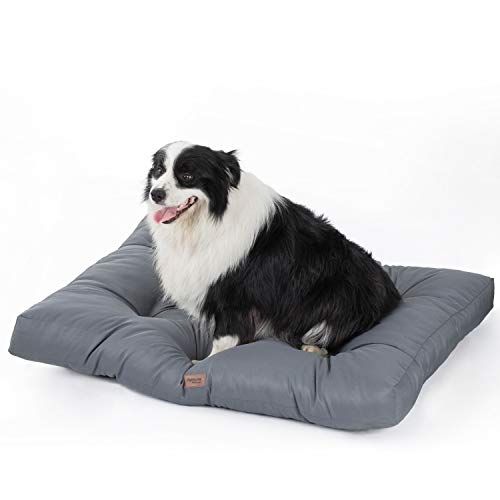
Designed for comfort, Bedsure beds are filled with premium microfiber in separate chambers and ultra soft reversible design. This pet bedding creates the ultimate place for your pet to rest and relax. The beds have a durable scratch-resistant surface and designed to resist water like dog sweat or urine.
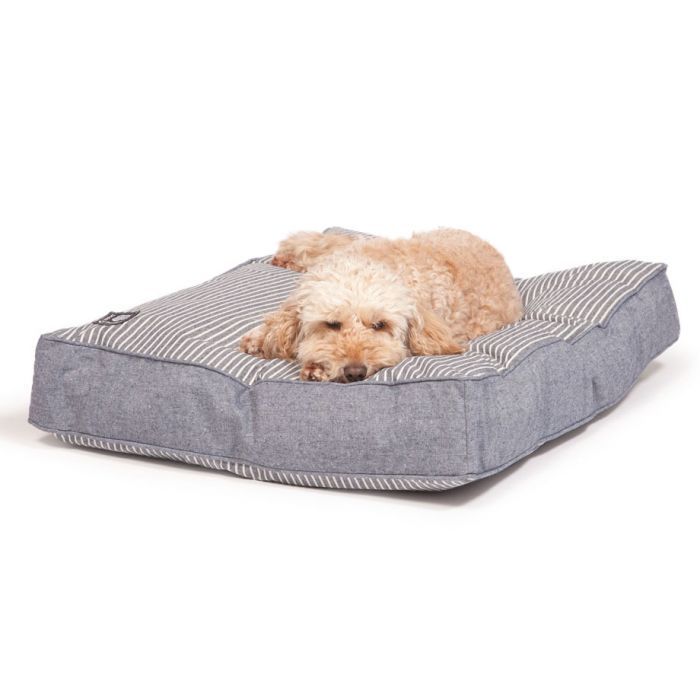
danish design Danish Design - Blue Maritime Box Duvet
This Danish Design Maritime Blue Box Duvet bed features combinations of linen look stripes and denim look textures in three relaxed colour-ways, all highlighted by a special nautical edition of the Danish Design embroidered paw.
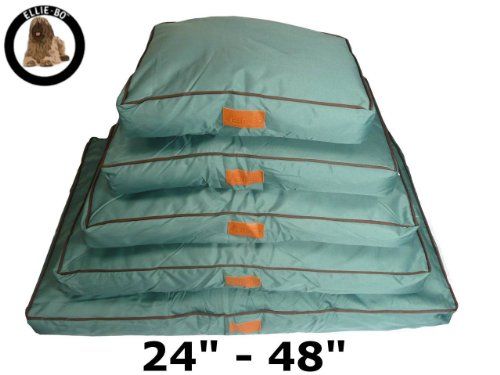
Ellie-Bo Waterproof Dog Beds in Green - Tailor made to fit cages and crates (34" - Fits 36" Large Dog Cage)
This Ellie-Bo Waterproof Dog Bed features a removable and machine washable waterproof outer cover made from Oxford weave. It also has a waterproof and breathable inner cover.
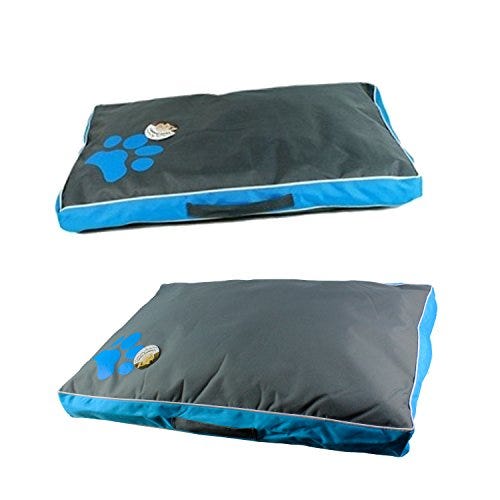
Guaranteed4Less Dog Bed Mattress Cushion Waterproof Double Sided Puppy Pet Pillow Mat Washable (Medium, Red)
This popular paw print pet mattress has a double sided waterproof pet cushion with carry handle and paw print motif. Both sides are waterproof but only one side has the printed motif. It has a zip fastening with removable cushion.
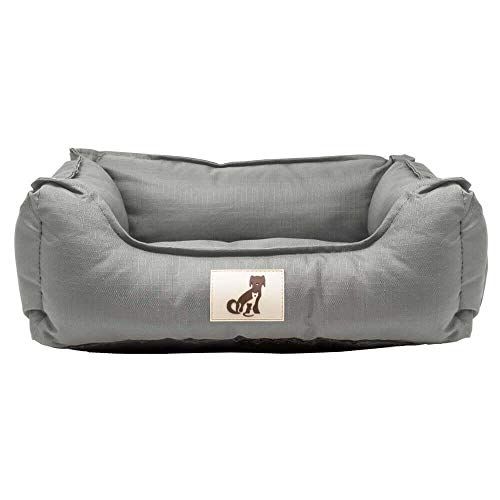
AllPetSolutions Dexter Beds Soft Waterproof Washable Hardwearing Basket Dog Bed (M, Grey)
The waterproof hard wearing Oxford fabric is easy to clean, highly durable and is suitable for dogs of all breeds and sizes. The bed cover zips off, making it easy to remove for cleaning. The cover is 100% machine washable. Non-slip backing, ideal for use on polished floors and tiles.
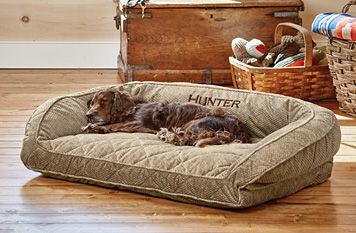
This Orvis bed has a soft quilted sleep surface, and a streamlined bolster make it comfortable for your dog. The ComfortFill-Eco cushion is made entirely from recycled plastic bottles and doesn't flatten or clump.
The three-sided bolster provides security and support for dogs who prefer a place to lean or rest their head, whilst the one open side makes this bed easy for dogs of all ages to get on and off. The upholstery-grade cover is as durable as it is incredibly soft. 100% polyester. Washable. Personalise with embroidery, up to 15 letters.

HarleyandCho YELLOW Dog bed with removable cover / bright dog nest MUSTARD / XS - Xxl size mat for dog, Gift for dog owners
This best-selling yellow dog bed comes with a machine washable removable cover. It's made of high-quality furniture fabrics, which allows your pet to feel very comfortable inside. Elastic pillows provide pets safety and comfort.
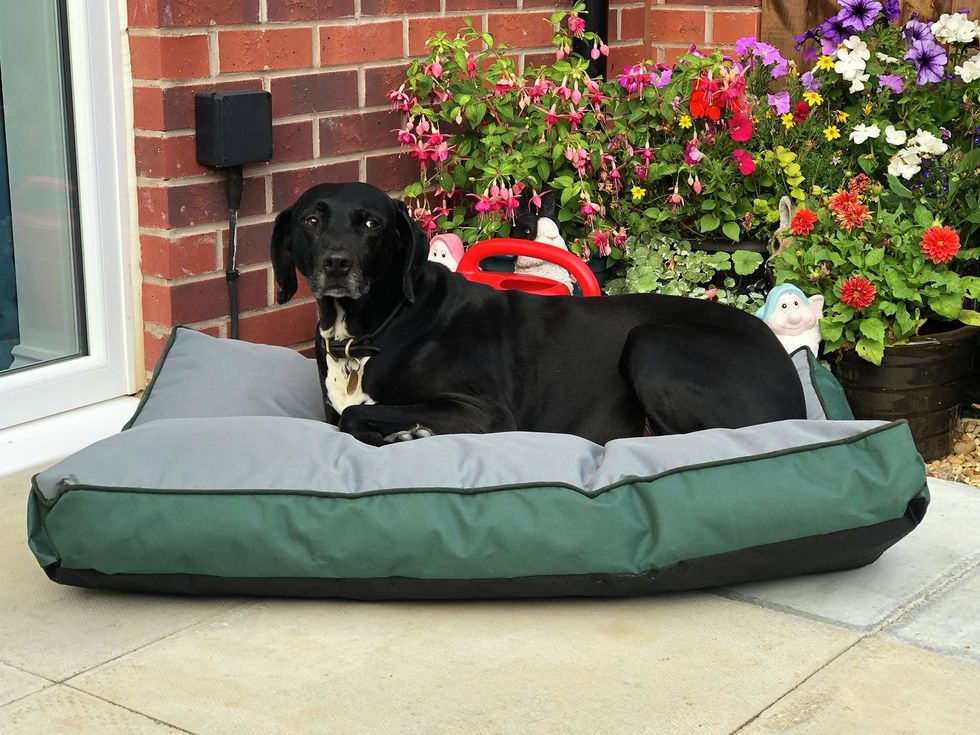
This waterproof pet mattress helps your dog relax and sleep comfortably by keeping them supported, warm and dry. The laminated fabric of the bed helps to repel water and although the bed is strong and durable, it is still comfortable for them to sleep or rest on. The removable cover and removable internal pad are both machine washable for when you need to clean it.
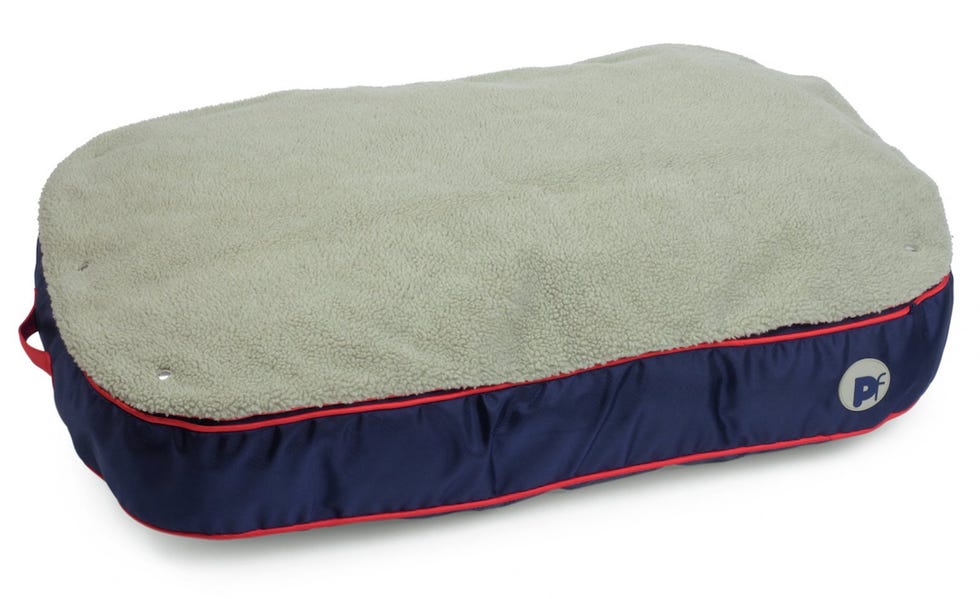
This Petface water resistant mattress is designed to help keep your dog's bed clean. It comes with a removable berber fleece top cover which you can easily take off and reattach with the poppers. The removable cover is machine washable and the wipe clean base makes cleaning super easy. The non slip backing helps to keep the bed still as your dog gets on and off.

P&L Country Dog Tough Heavy Duty Rectangular High Sided Waterproof Dog Beds in 3 Sizes Medium, Large & XL/Jumbo
The ideal dog bed for country dogs who get wet and dirty on a regular basis. The tough, heavy duty, hard-wearing, 100% polyester, waterproof material is easy to keep clean. The thick base cushion is removable and the high walls of this bed are filled with bonded thermal polyester fibre to insulate your pet from the cold floor and keep it out of draughts.
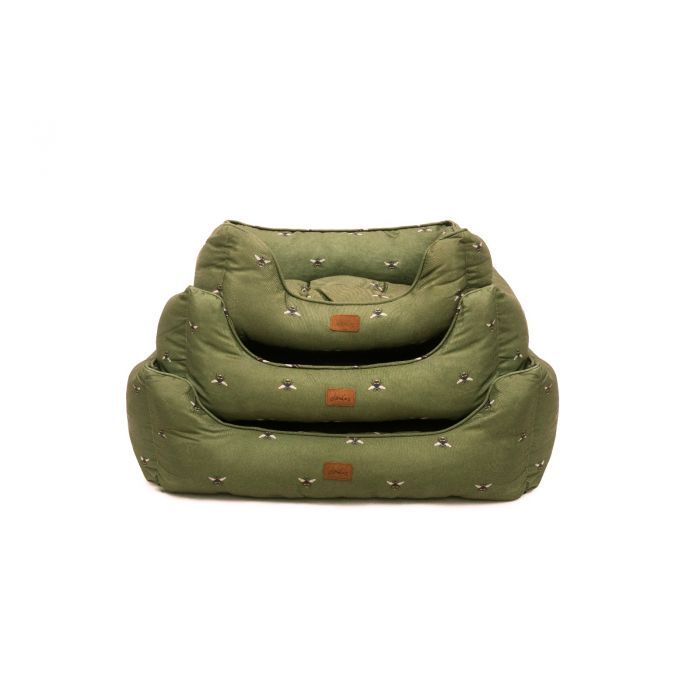
This dog bed is thickly padded on all sides to provide warmth and extra comfort with reversible cushions. It's also machine washable and has a non-slip base.
Like this article? Sign up to our newsletter to get more articles like this delivered straight to your inbox.SIGN UP


