
From dandelion to nettle, lots of common garden weeds can be harvested and enjoyed in a delicious meal. Our back gardens may seem like unlikely places to forage, but many of those pesky weeds are actually valuable foods, loaded with antioxidants, vitamins and protein.
Before you begin, some of the things to remember before you forage include:
- Never eat anything you're unsure of. Some weeds — and their flowers — are toxic
- Don't eat anything which has been sprayed with pesticides
- Take no more than you plan to consume to avoid waste
- Only collect flowers, leaves, fruits and seeds where they are in abundance
- Do not collect any rare species
- Check the Wildlife and Countryside Act 1981 to ensure you are not picking illegally
On that note, take a look at the edible garden weeds which you can enjoy:
1. Dandelions
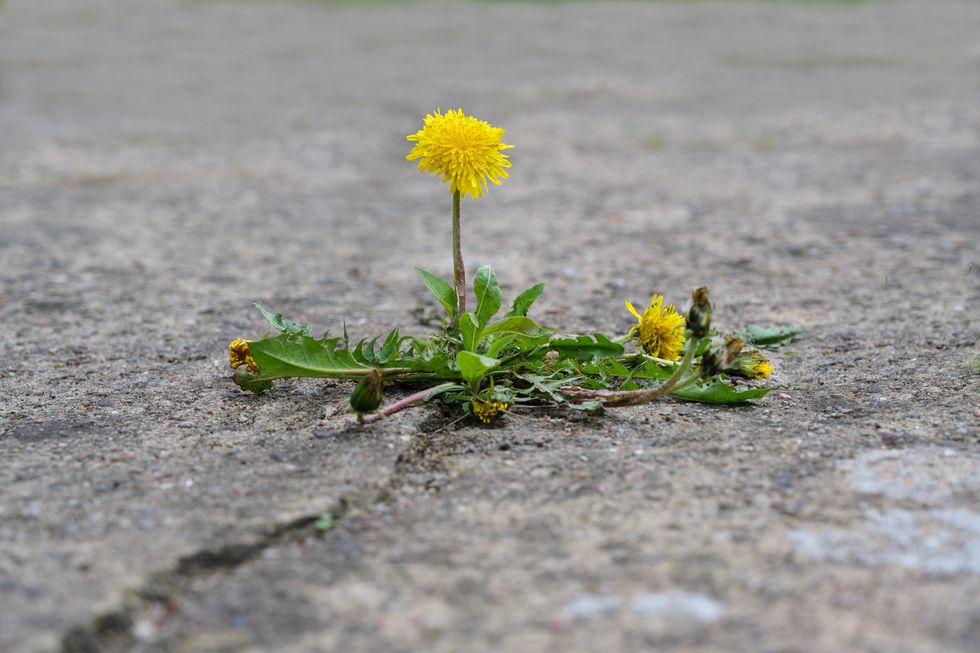

Did you know that dandelions are edible? A familiar sight in many British gardens – and loved by children – every part of this common weed is tasty both raw and cooked.
According to research by Plews Garden Design, mature leaves can have a slightly bitter taste, so it's best to harvest the tender young leaves if you want to eat them raw. If the leaves are slightly older, pop them in a yummy vegetable stew. As well as this, you can also add the roots into stir fries or vegetable dishes, or even make dandelion coffee by drying then grinding the roots. Delicious!
2. Nettle


According to the Woodland Trust, nettle is another surprisingly yummy weed, offering a taste similar to spinach when cooked properly. A staple in herbal medicine since ancient times, nettle leaves can be used to make tea, soup or homemade pesto. If you are picking nettle, be sure to wear gardening gloves as they can sting.
With heaps of benefits (including Vitamins A, C and K), nettle can also help to reduce inflammation and in some cases can treat hay fever. You can either cook nettle in boiling water or top the leaves on pizza like you would spinach. Why not give it a go?
3. Chickweed
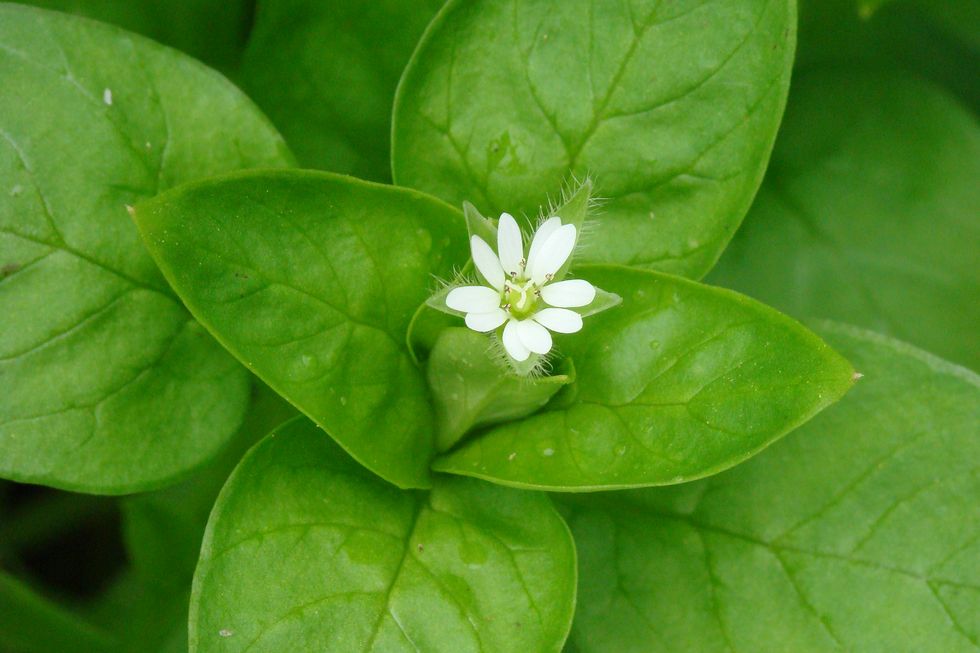

Chickweed — a common annual weed of both cultivated and bare ground — can be eaten and boiled much like spinach. You can either eat it raw as a savoury herb in salads, or add it to soups, omelettes, stuffing, meatballs and pies. Once you've picked chickweed, make sure to wash it throughly and place in boiling water to cook (it only takes a few minutes). Save the tiny white flowers for a salad garnish.
4. Goosegrass
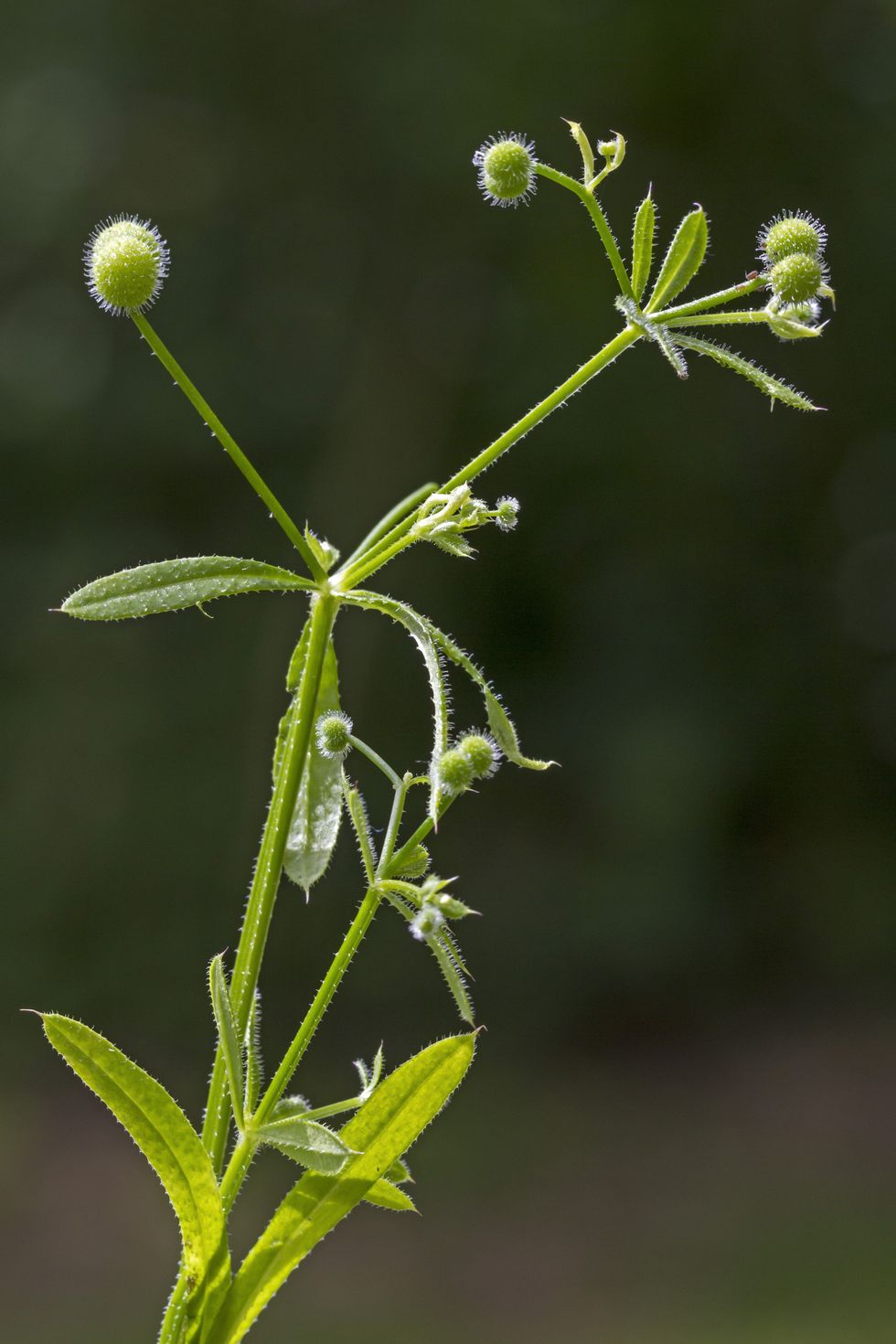

According to British Local Food, sticky goosegrass has a mild flavour and can be used to bulk up spring soups, stews and pies. Once you've picked them, wilt in butter and add to stir fries or yummy omelettes. While the plant can be eaten raw, you may prefer to enjoy it cooked because of its sticky texture. Don't forget to save the fruits: these can be dried and roasted.
"Goosegrass is that long hairy plant, well-known amongst children that are thrown on friends' jumpers to get it stuck on each other's back for a laugh," say British Local Food. "It has also been a long standing enemy of the allotment owner, as their 'sticky' seeds easily propagate and become a sprawling nuisance in beds and borders."
5. Chamomile
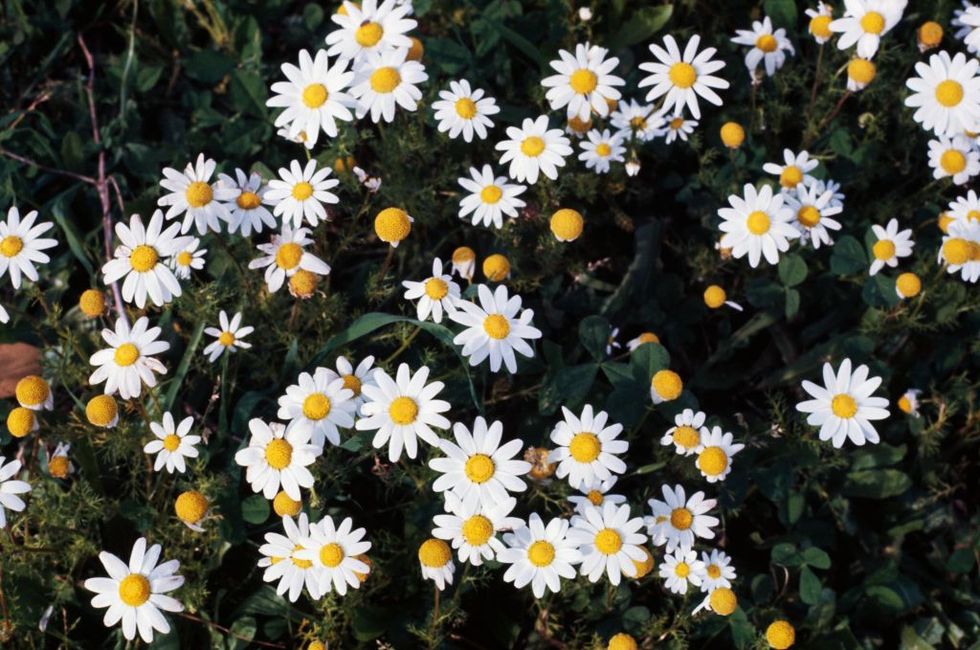

Famed for its healing benefits, chamomile is another safe weed to eat. While most people know the daisy-like plant as a tea herb, its yellow flowers can also be used in cereal, porridge, salad or as a cordial with apple brandy. To make your own homemade chamomile tea, put leaves into a teapot and fill with boiling water. Leave the flowers to infuse for around two to three minutes, then stir in honey and serve.
If you are allergic to ragweed it's best to avoid chamomile, as it may trigger allergic reactions in some people.
6. Garlic mustard
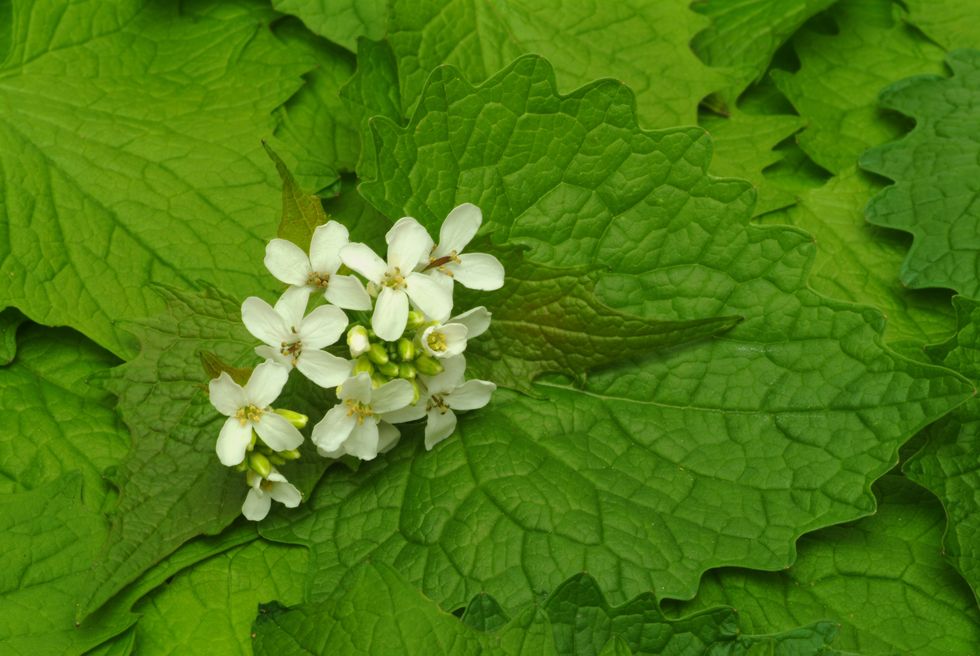

Garlic mustard is commonly found growing in shady spots, such as on the edges of woods and hedgerows. Every part of the plant is edible, with the roots tasting much like horseradish. If you're planning to pick this plant for yourself, the experts at Gardening Knowhow recommend you harvest them when they're young. Although the plant is unrelated to garlic, it exudes a strong garlic-like smell when bruised or chopped.
"The seeds are excellent in spicy food. Using garlic mustard plants provides an all-season wild food and helps prevent the spread of the herb," Gardening Knowhow say.
7. Hairy bittergrass


Cardamine hirsuta, commonly called hairy bittercress, is an annual or biennial species of plant which makes a tasty addition to any salad. Despite being loathed by gardeners, they taste delicious in a roast beef sandwich or crab salad.
The Woodland Trust advise: "All parts of the plant can be eaten when young. Pick leaves and flowers from the middle of the plant and wash well. Since they grow low to the ground they're often gritty or dusty. It has a hot, peppery flavour, great for salads, soups, salsa, pesto or as a substitute for cress or rocket."
Follow Country Living on Instagram.
17 best gardening tools to buy now including spades, trowels and rakes
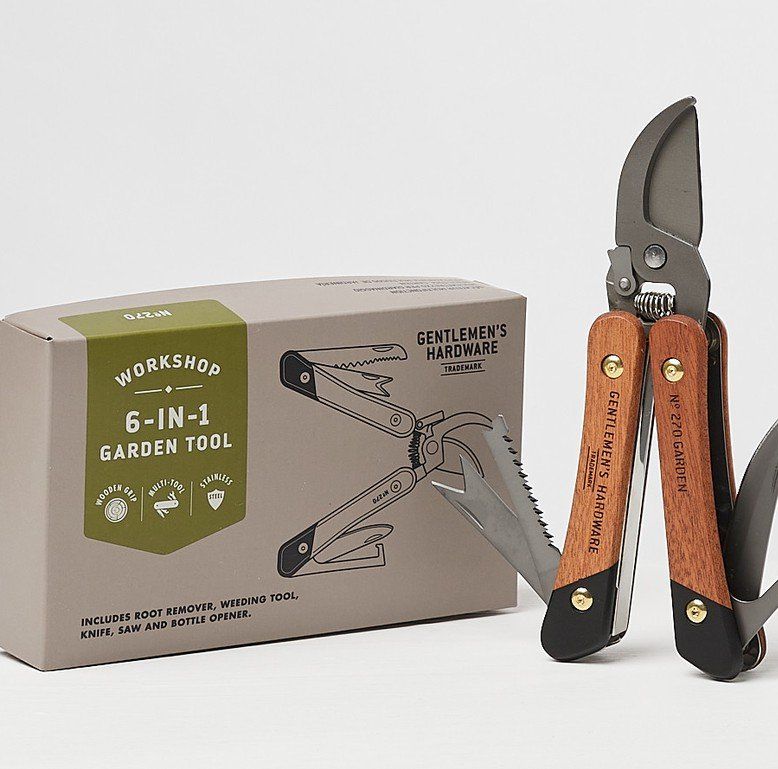
Give your garden plants some love this summer with this useful multi-tool. Finished in titanium with brass fixings, this tool features six different functions including secateurs, a root remover, knife, saw, bottle opener and an easy weeding utensil.
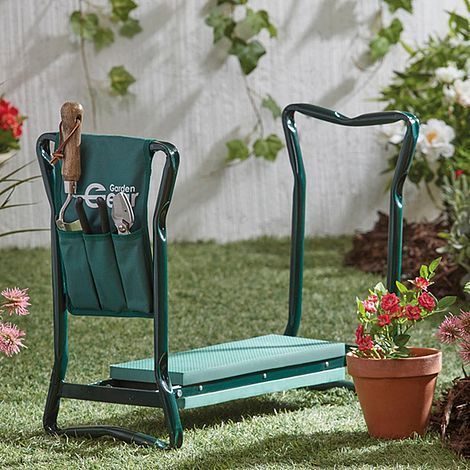
Protect your knees when gardening with this practical green kneeler and seat. It has been made with steel tubes and comfortable polypropylene foam so you can garden comfortably. There's also a small pouch on the side, making it easy to pop your tools in as you work.
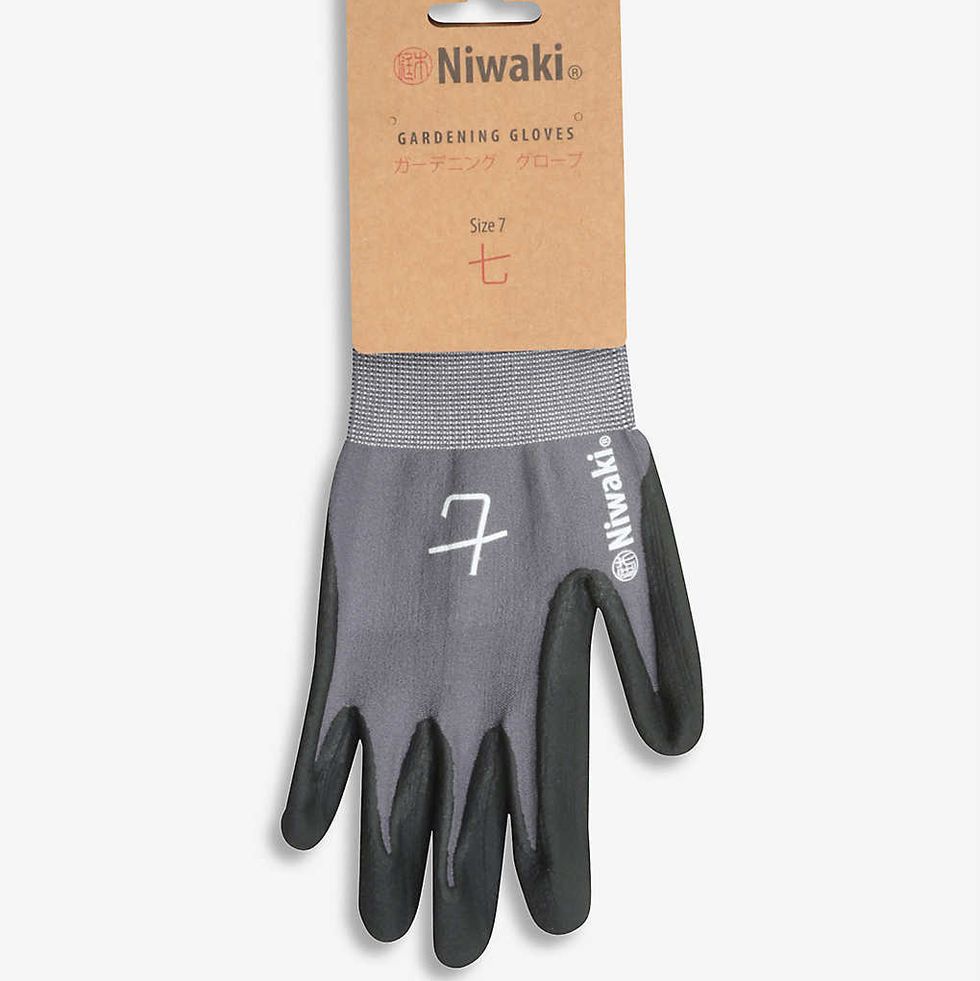
Protect your hands with these practical grey gardening gloves, made from a comfortable nylon and spandex liner. Best suited for potting and pruning, they have breathable lining and a nitrile grip coating.
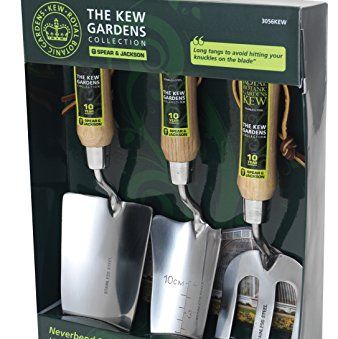
Developed alongside Kew Garden's horticultural team, this set features a weedfork, hand trowel and transplanting trowel. Ideal if you're on the hunt for a gift.
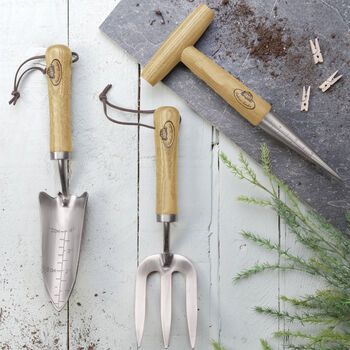
Crafted from wood and stainless steel, this lovely garden tool set is just what every gardener needs. The leather hooks make it easy to hang up in a shed, while the trowel has been marked in centimetres and inches to make planting easier than ever.
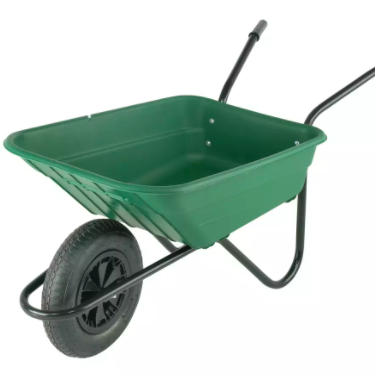
Every garden needs a wheelbarrow. In a classic green, this lightweight style from Argos is ideal for gardening, DIY work and equestrian uses.
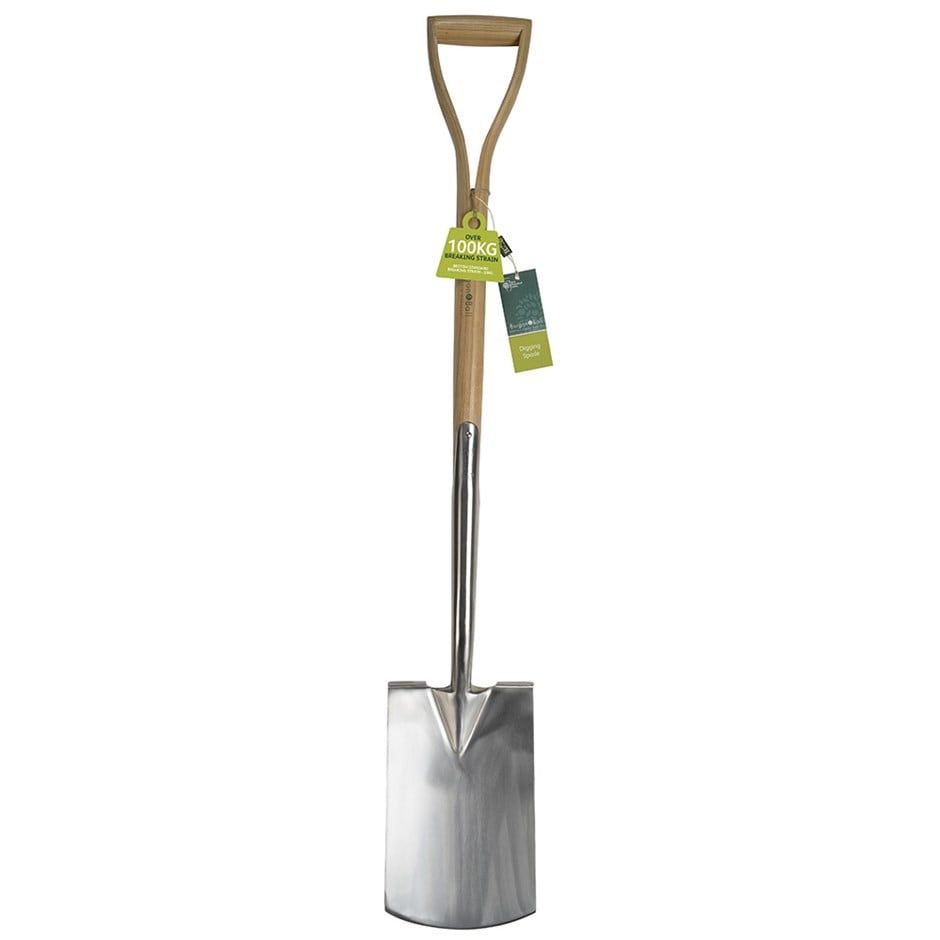
With a longer handle to ease back strain, this stainless digging spade has been created for all digging jobs. As well as this, the hardened steel blade is rust-resistant and will hold its edge without regular sharpening. Perfect for every avid gardener.

Keep your plants happy and healthy with this terracotta watering can. Designed by Shane Schneck, it boasts a no-spill lip and a shape that keeps water weight at its base.

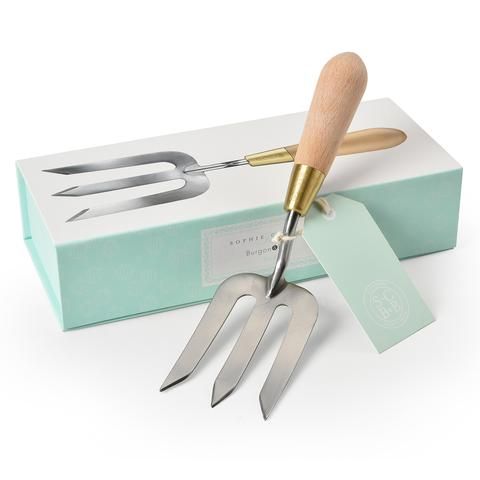
Tried and tested by the Good Housekeeping Institute, this garden fork from Sophie Conran is a stylish addition to any outdoor space. Made of stainless steel with a waxed beechwood handle, it has sharpened tines which cut through hard and soft soil very easily.
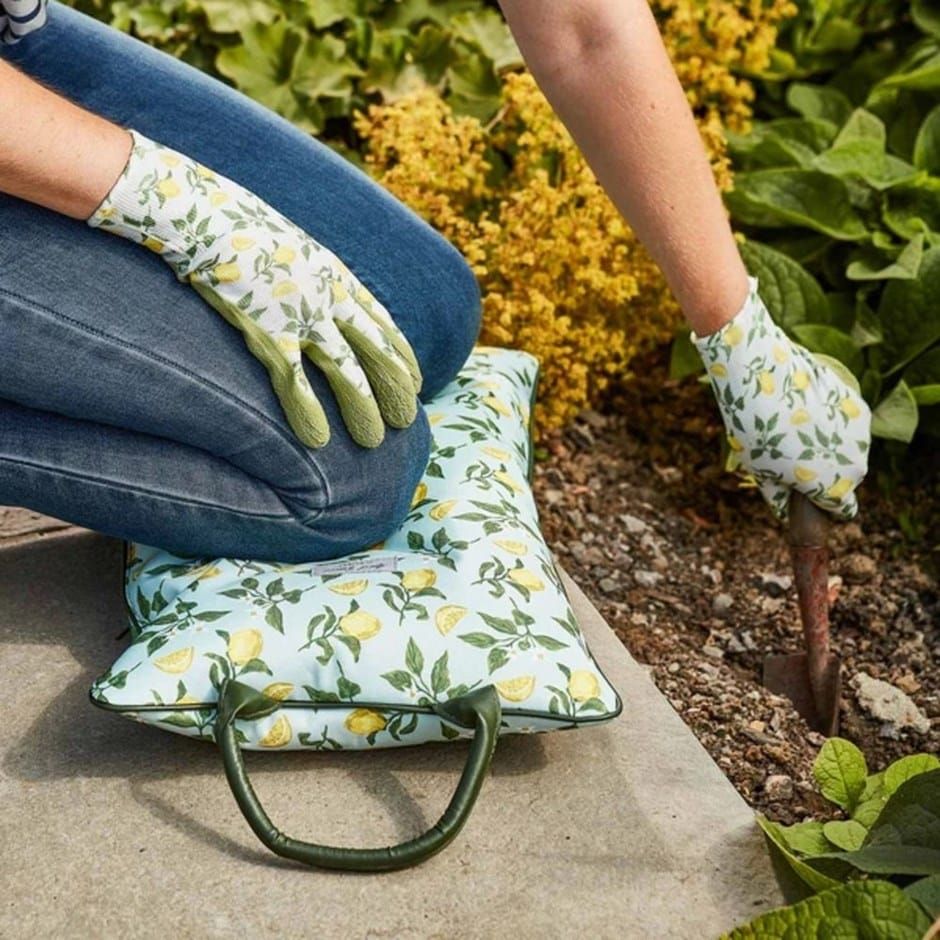
When life gives you lemons...buy a stylish kneeler pillow. With a generous size and soft foam filling, you can be sure to tackle those weeds comfortably without any pain.

Looking for some summer seeds? This pack includes thyme, mixed herbs, oregano and summer savoury, too. Ideal to spruce up a tired-looking lawn patch.
READ MORE: Plant these 11 wildflowers to create a bee motorway in your garden

You'll find eight handy tools in this set, including pruning shears, a hand trowel, transplanter, weeder, cultivator, hand rake, gardening gloves and a tote bag. At just £40, it's a real steal buy.
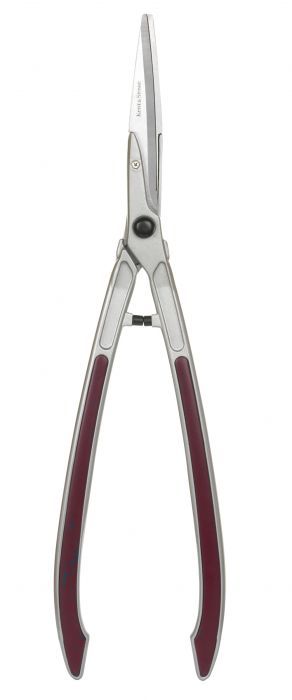
Trim your hedge just as you like with these 66cm topiary shears. Ideal for trimming and shaping, they have narrow pointed blades, rubber shock absorbers and a long length ergonomic design.
READ MORE: How to get rid of moles in the garden
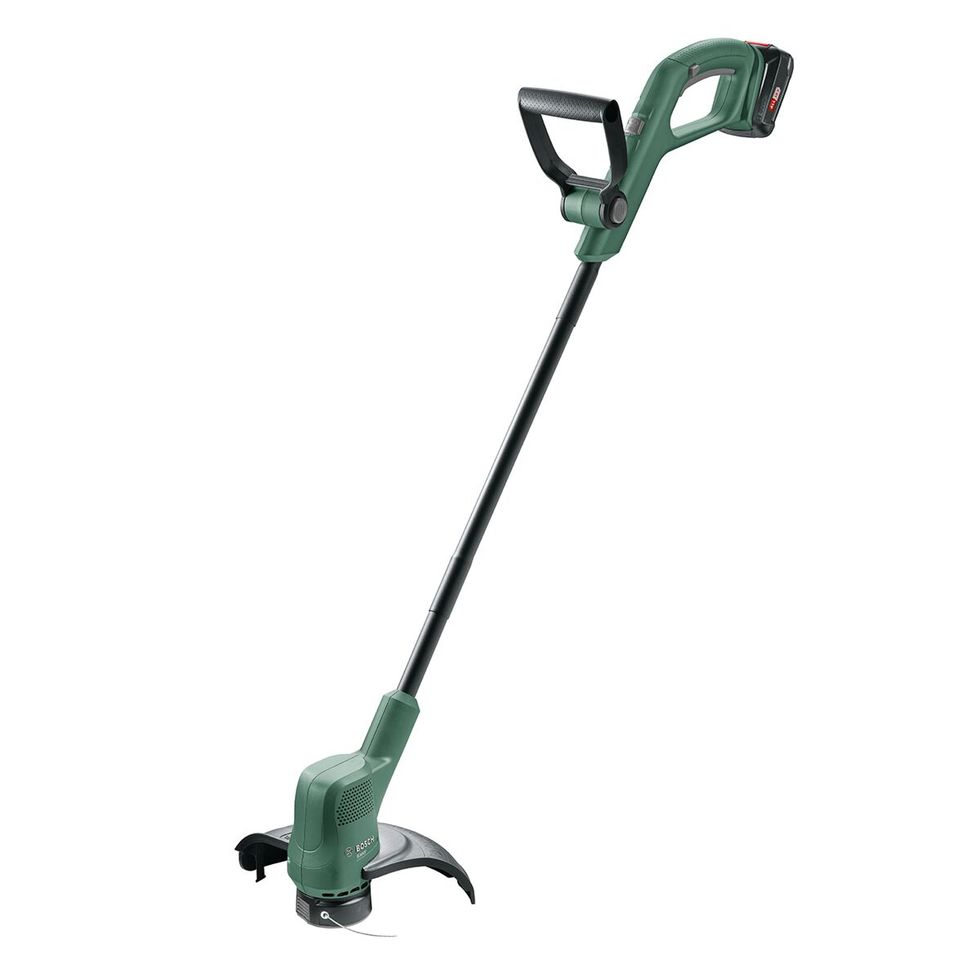
Providing high performance cutting with a clean finish, this grass trimmer from Bosch has an easy edging function which enables quick changes from trimming to edging. Ideal for reaching those tricker spots with ease.
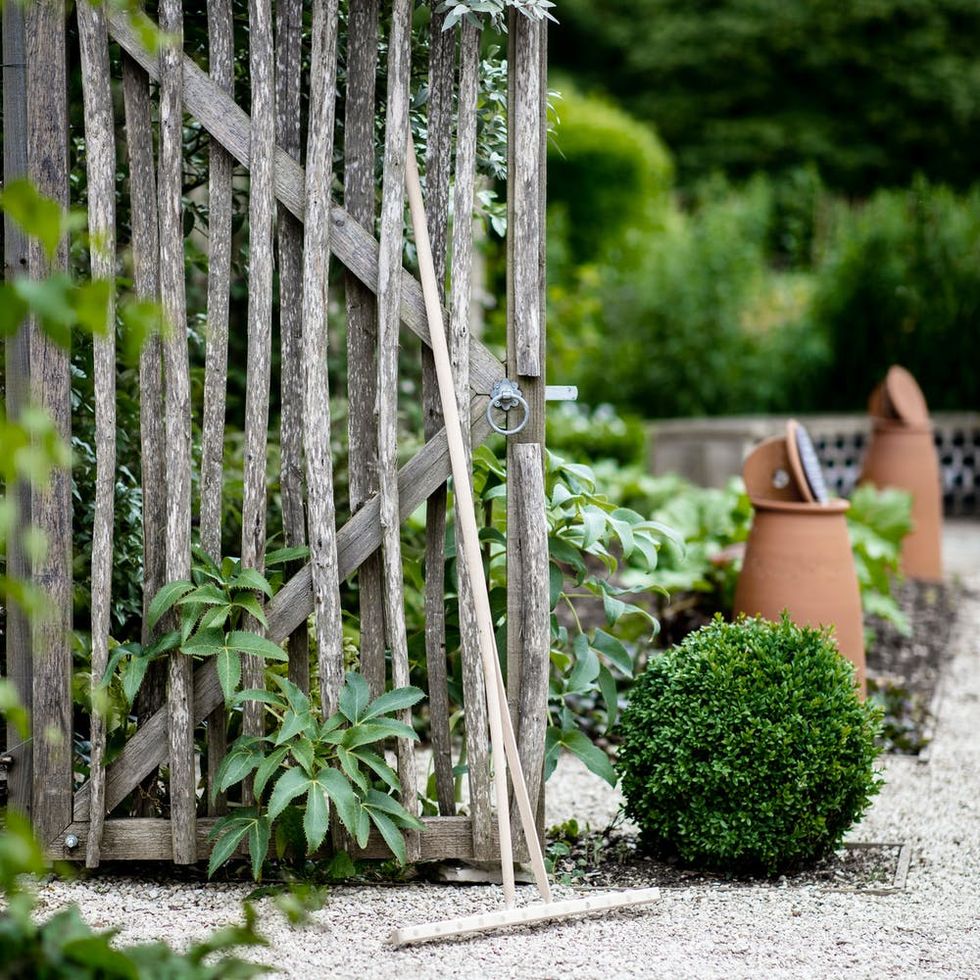
Sweep up leaves and fallen debris with this practical wooden rake from Garden Trading. Crafted from Beech, the strong wooden handle offers support, while the prongs allow for effective raking.
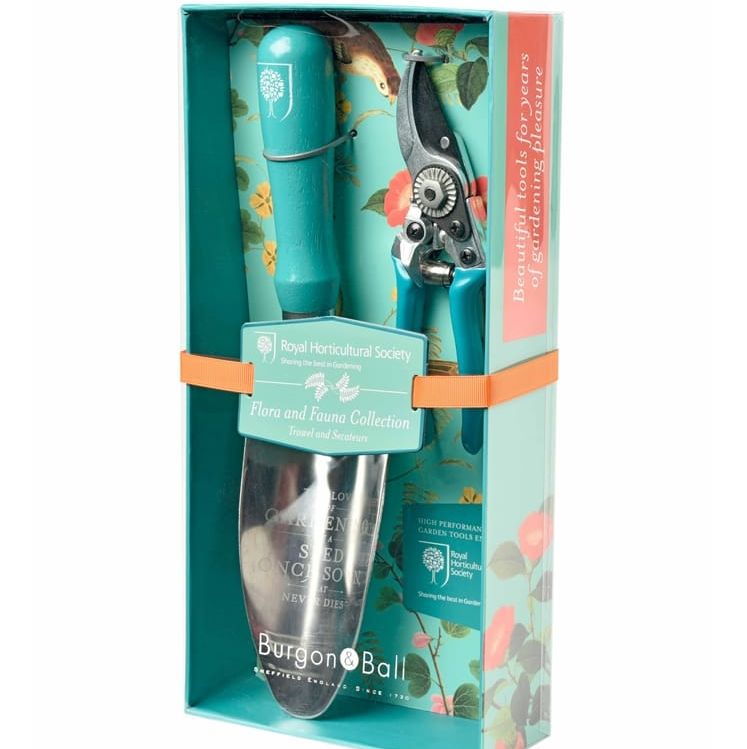
Presented in a beautiful box, this set includes a trowel and secateurs. Featuring artwork from the RHS Lindley Library, they're both a stylish and practical addition to any garden.
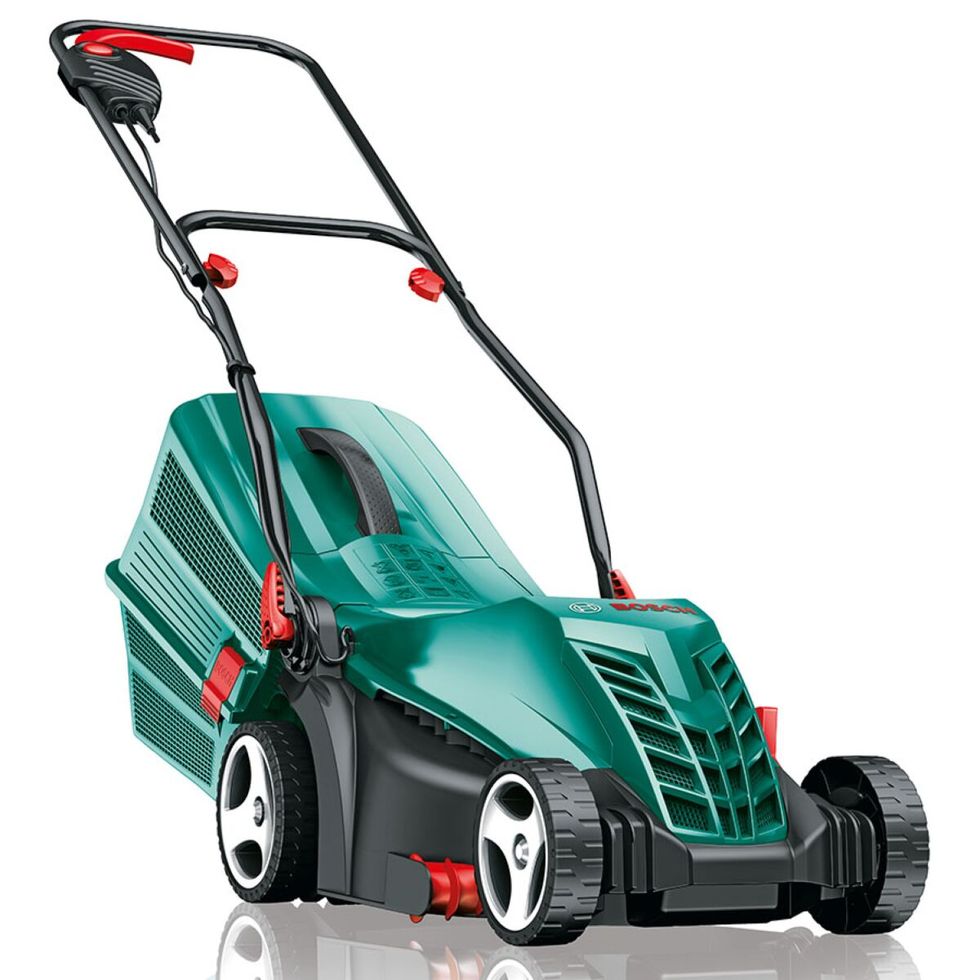
This electric lawnmower helps you to cut through long grass with ease, thanks to its innovative inset grass combs and lightweight design.
Like this article? Sign up to our newsletter to get more articles like this delivered straight to your inbox.
Looking for some positivity? Get Country Living magazine posted through your letterbox every month.
Lisa Joyner is the Deputy Daily Editor at House Beautiful UK and Country Living UK, where she's busy writing about home and interiors, gardening, dog breeds, pets, health and wellbeing, countryside news, small space inspiration, and the hottest properties on the market. Previously, she has written for Conde Nast Traveller, House & Garden and Marie Claire magazine. Lisa studied at University For The Creative Arts, where she completed a BA in Fashion Journalism.


