
When the temperature hikes up, we're all looking for ways to make our spaces feel cooler.
There are plenty of quick fixes, from switching on a fan and closing the blinds to keep out the sun to introducing lighter, breezier fabrics.
But are there longer-term decisions that can impact the temperature of your home, such as the colour of your walls?
The simple answer is yes – paint colours can influence how warm or cool a room feels. "Paint colour won't change your thermostat reading, but it absolutely changes how a room feels in summer," says Simon Mayhew, Founder & Interior Designer at Txtured.
He explains that factors such as ventilation, glazing and insulation have a far greater impact on actual room temperature, but colour still plays an important role in creating the atmosphere of a space.


According to Donna Taylor, colour design manager at Johnstone’s Paint, "Rich, earthy paint colours, such as burnt orange, red and browns that have a warm undertone, can instantly make a room feel warmer; this is largely down to colour psychology."
What to Read Next
That doesn't mean you need to rule out warmer shades altogether. If you're set on a rich brick red or terracotta, cooler-toned accessories can help balance the overall look and stop the room from feeling too heavy.
"Pairing them with cool-toned accessories like white curtains, soft blue or green cushions, or paler furniture can balance the perceived warmth of those richer hues," says Donna. "Even adding a mirror on the wall to reflect the light around can make the room feel more spacious, lighter and cooler."
So, if you're planning a summer refresh, these are the paint colours and finishes worth considering.
WHITE


There's a practical reason white remains a popular choice for summer decorating. "White paint reflects the most light, helping keep interiors cooler," says Donna.
The increased light reflection helps make a room feel brighter, airier and, to an extent, cooler. While paint colour alone won't dramatically lower a room's temperature, a white room often feels cooler because it maximises natural light and creates a sense of openness.
PASTELS


Pastels work because they're associated with naturally cooling environments such as the sea, sky and spring flowers. Soft blues, greens and pinks can make a room feel lighter and more refreshing without looking stark or clinical.
"If you're adding a pop of colour, stick to shades with cool undertones like Johnstone's Floating Castle, a pure, pale blue, or Ballet Slipper, a light baby pink," says Donna. "These shades create a sense of freshness that we naturally associate with things like the coast."
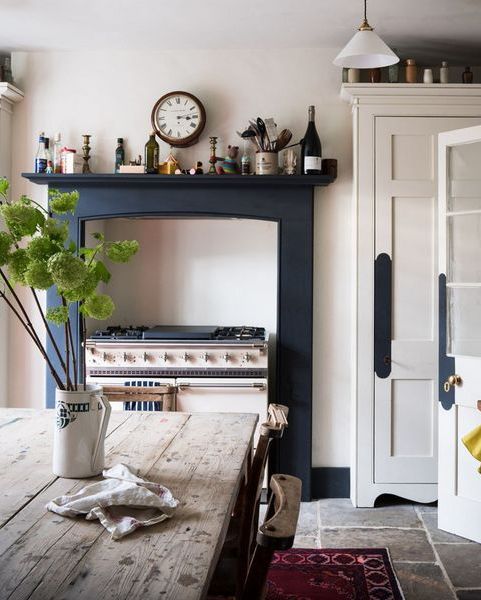
NEUTRALS


While white is often considered the go-to cooling shade, softer neutrals can create a more relaxed atmosphere.
"Muted sage, dusty taupe and soft mineral tones often feel far more comfortable in summer than a stark, bright white – less glare, more ease," says Simon.
These muted tones absorb some of the harshness of bright sunlight, reducing glare and making a space feel more comfortable during long summer days. When deciding on a neutral, think about the room aspect. Warmer neutrals are best placed in north- and east-facing rooms that get little sunlight.
COOL UNDERTONES


Paint colours with blue, green or grey undertones tend to evoke a sense of freshness. "Cool tones, soft greens, chalky neutrals and blue-greys create a calmer feel, particularly in bright, south-facing rooms that can handle deeper, cooler shades thanks to the strength of the natural light," says Simon.
Though bear in mind that these cooler undertones can be trickier to pull off in north-facing rooms, which can often have a flatter, chiller feeling year-round.
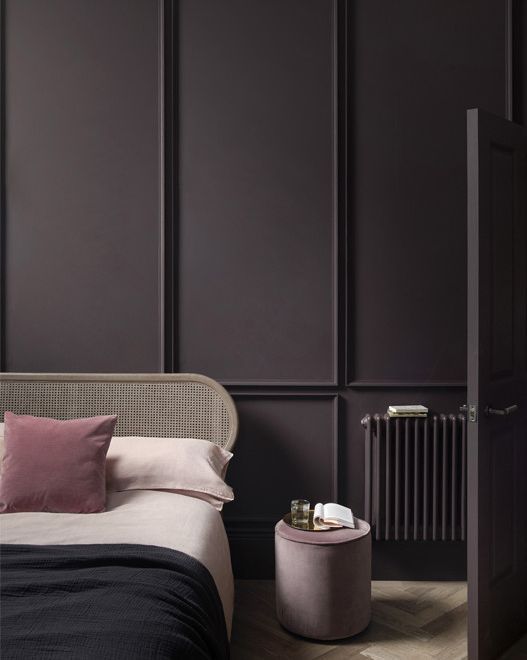
DARK COLOURS


Dark shades do absorb more heat, but that doesn't mean they're off limits. In north and east-facing rooms, which receive less intense sunlight, the effect is often minimal.
"Dark paint won't make much of an impact in these spaces as you'll be catching the sun while it's cooler," says Donna. Choosing darker colours in these spaces can add depth and character without making them feel noticeably warmer.
"Deep olive, charcoal and muddy green can feel genuinely cool – psychologically, at least, conjuring the shaded, slightly hushed quality of a good boutique hotel or an old townhouse in July," adds Simon.
DON'T FORGET FINISHES


Colour isn't the only factor that influences how a room feels. The finish you choose can also affect the atmosphere. "Matt paints, limewash and natural materials soften the way light moves around a room, which helps spaces feel quieter and more settled when it's warm outside," says Simon.
A matt finish can also help reduce glare from strong sunlight, while limewash adds subtle texture and depth that feels organic and calming.
Redecorating? We have all the paint inspiration you need

Paints to make small rooms look bigger

Daisy Bendall is the Houses Editor at Country Living and House Beautiful, where she spends her days sourcing some of the most inspiring homes across the country. Prior to specialising in real homes, Daisy worked for Good Housekeeping, Red, Elle Decoration and Prima, styling shoots, covering the latest decorating trends and hunting down the best buys for your home.


