

The National Trust has reintroduced grazing livestock to the world-famous Giant's Causeway in Northern Ireland for the first time in almost 50 years, in a bid to boost struggling wildlife, wildflowers and rare snails.
Irish Dexter cattle — the smallest of cattle breeds — have been welcomed to an inlet called The Bay of Cows (it sits just below the Giant's Causeway visitors' centre). Thanks to their small size, hardiness and agility, they will be able to graze on the bay's rocky slopes with ease.
For years, the beautiful rugged UNESCO World Heritage Site has been scattered with bracken, bramble and coarse grasses, meaning fewer species have been able to thrive on the land.
But, by bringing back the Dexter cattle, the trust hopes to recover vegetation, maintain the open causeway coastline and uncover a carpet of hidden bluebells.


"We've been hoping to get animals back onto some of the ungrazed areas around the Giant’s Causeway for years, so it’s fantastic to see it finally happen," Cliff Henry, Area Ranger for the National Trust, said.


"Particularly at this time, when our sites are closed to the public, it's great to know the cattle are there, working away for conservation of the bay.
"Sheep were the last animals to have grazed the area, and that was over 40 years ago. Since then the bay has become choked with bramble, bracken and coarse grass meaning there’s no space for wildflowers to grow. We've come back to using cows to manage the land because they have so many benefits for nature.


"There's something really special about witnessing this rural scene at such an iconic landmark. The cows will help us to tell the story of the Causeway – not just the incredible geology, but the plants, animals and insects that call it home."


The beautiful coastal paths at the Giant's Causeway are home to rare plants, butterflies, snails, flies, bees and beetles. In recent years, staff at the site have also discovered other species including the UK's smallest moth and a gall forming fly.
The area might be currently closed for visitors, but you can take an interactive virtual tour of its vast beauty here.
Like this article? Sign up to our newsletter to get more articles like this delivered straight to your inbox.
20 gardening tools and essentials you can get delivered to your home right now
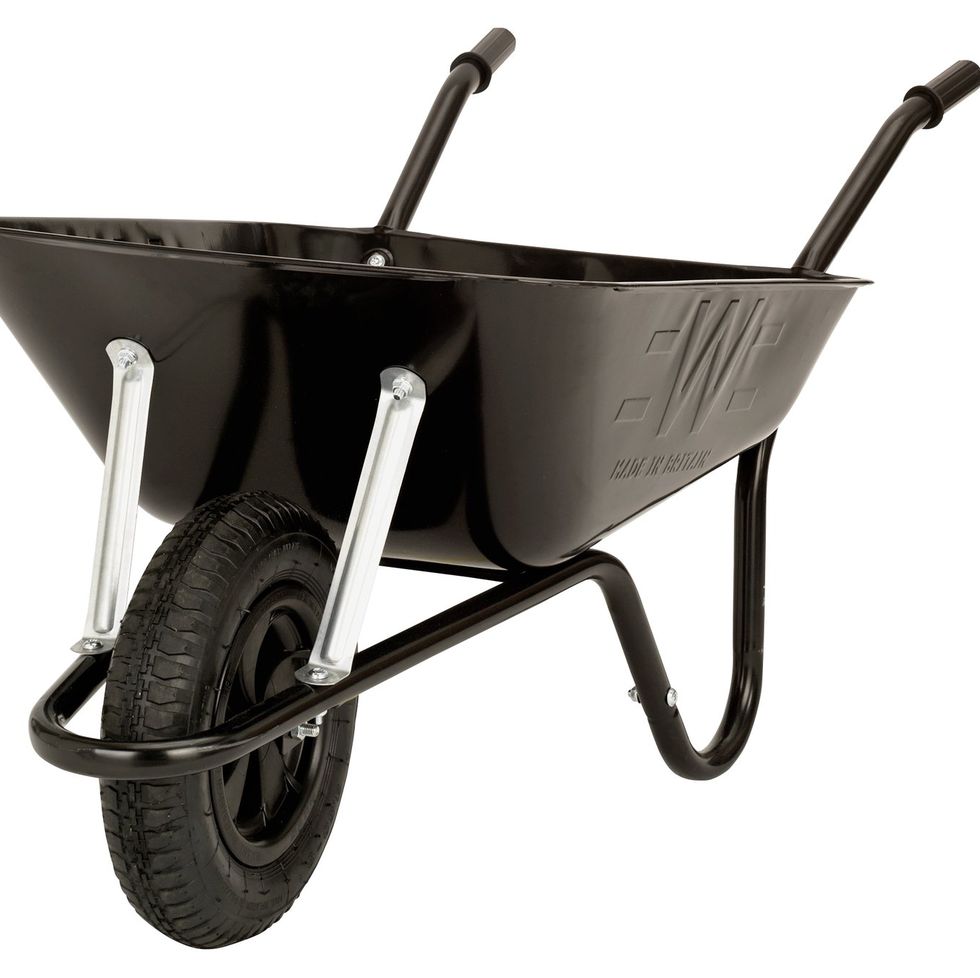
Moving mulch, compost or soil to your garden beds? A wheelbarrow is an essential to save your back. One-wheeled, two-handled options are great for manoeuvrability, but if you're limited in strength you may want to opt for a dual-wheeled one.
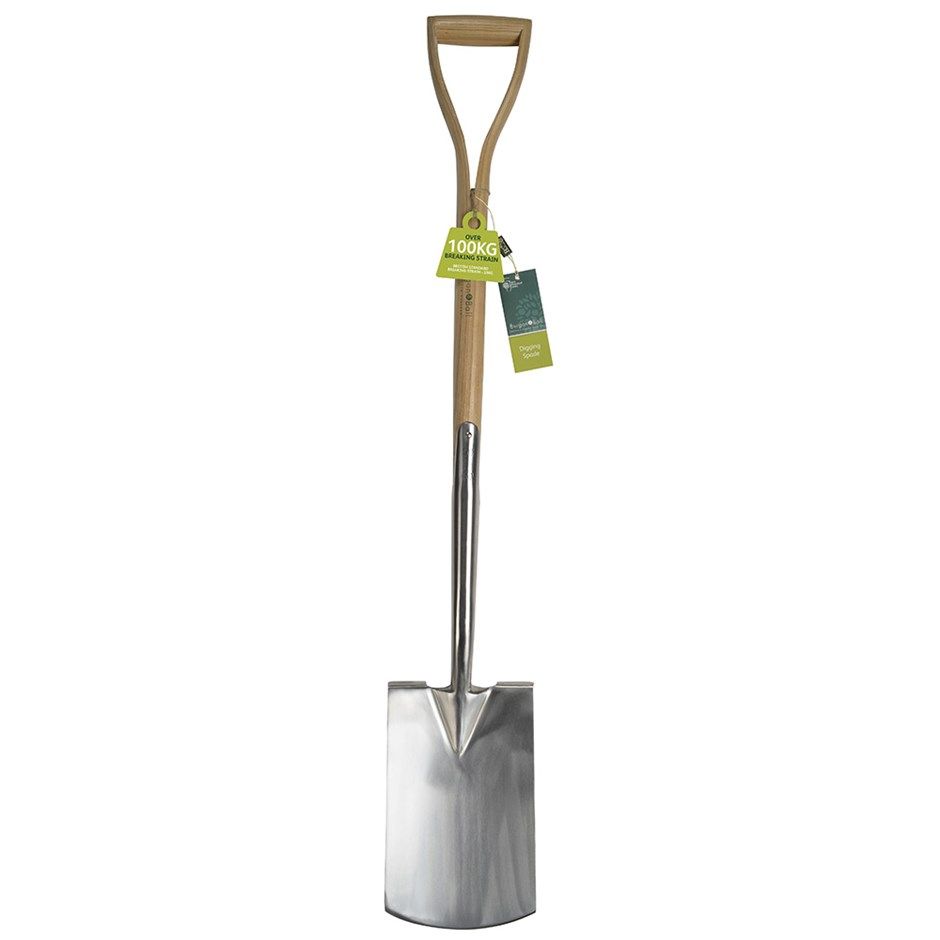
A fantastic spade that's RHS-approved, this stainless steel choice is rust-resistant and won't need regular sharpening, making it easy to maintain. Long-handle spades like this are great for digging large plots and transferring soil (not to mention being easier on your back). This is also a sustainable choice with the handle made from FSC-certified ash.
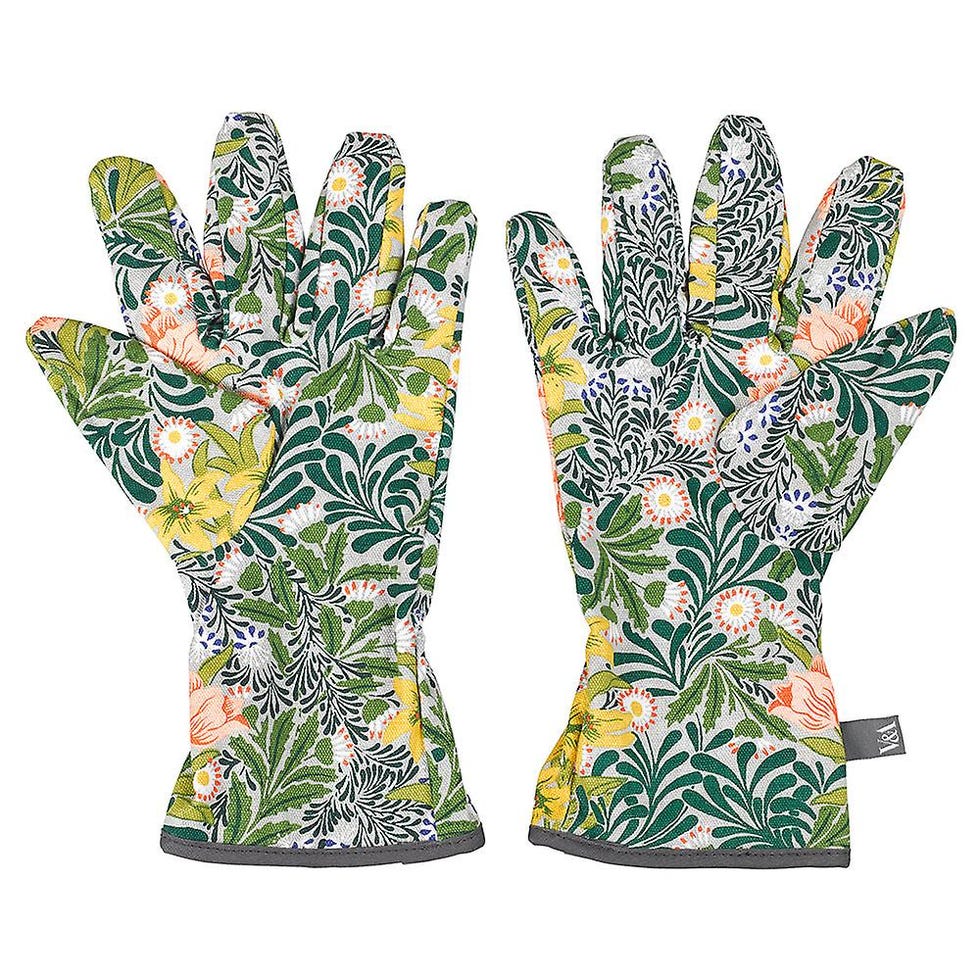
V&A William Morris Gardening Gloves
Add a splash of bold and beautiful colour to your garden activities with these stylish William Morris-print gloves. Not just for good looks, of course, they'll also protect you from thorns and brambles while you're working.
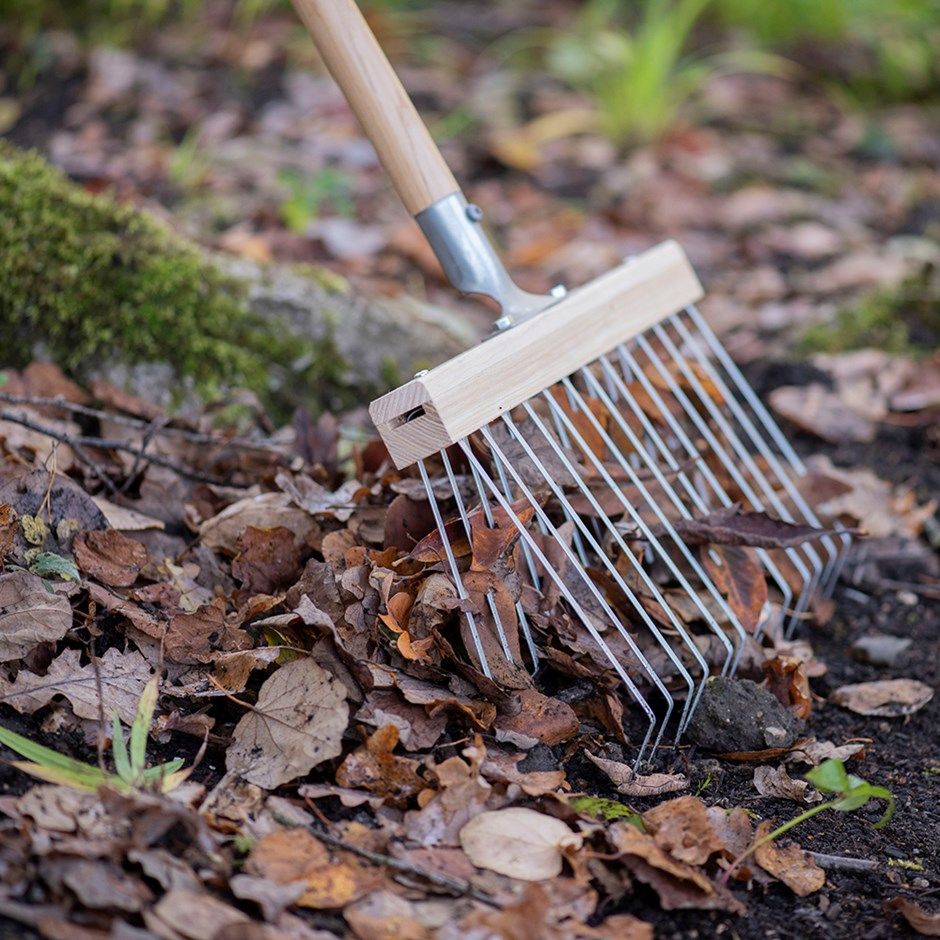
Keep your garden looking spic and span and free from leaves and debris with this top-notch DeWit rake, which makes clearing up much more pleasurable.
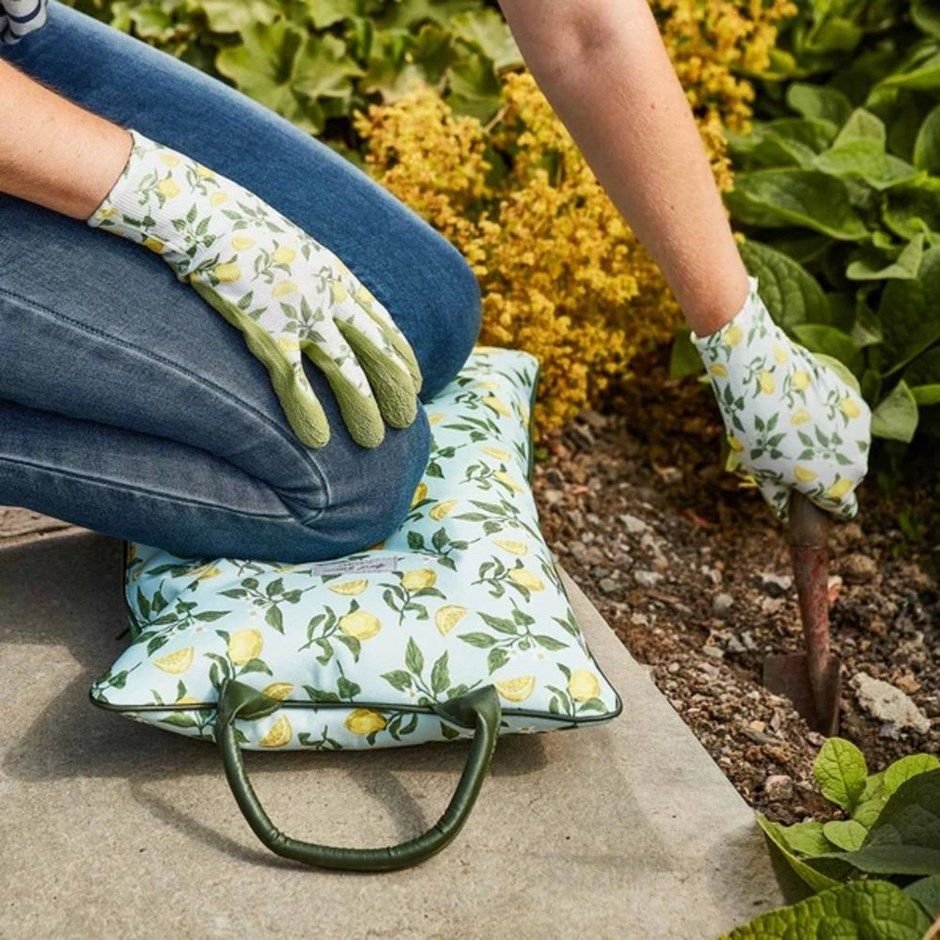
Sicilian lemon kneeler pillow
Protect your knees while getting in amongst the borders with this pretty kneeler. Or you might prefer strap-on knee pads so you don't have to keep moving it – BUY NOW, £14.99
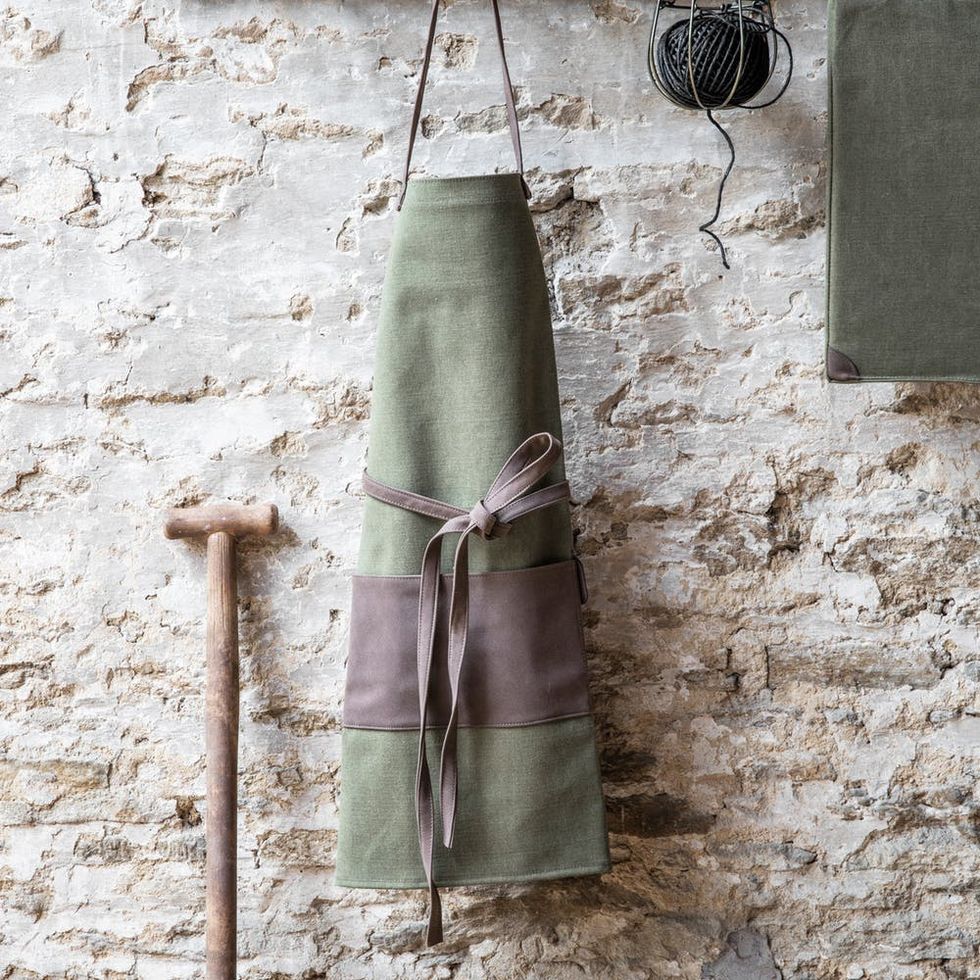
Protect your clothes and get organised with a stylish gardening apron. Whether you're planting new flowerbeds, picking vegetables or potting around in the shed or greenhouse, this trusty apron will ensure clothes stay clean. What's more, all important tools, seeds and more can be stored close to hand in the front pocket.
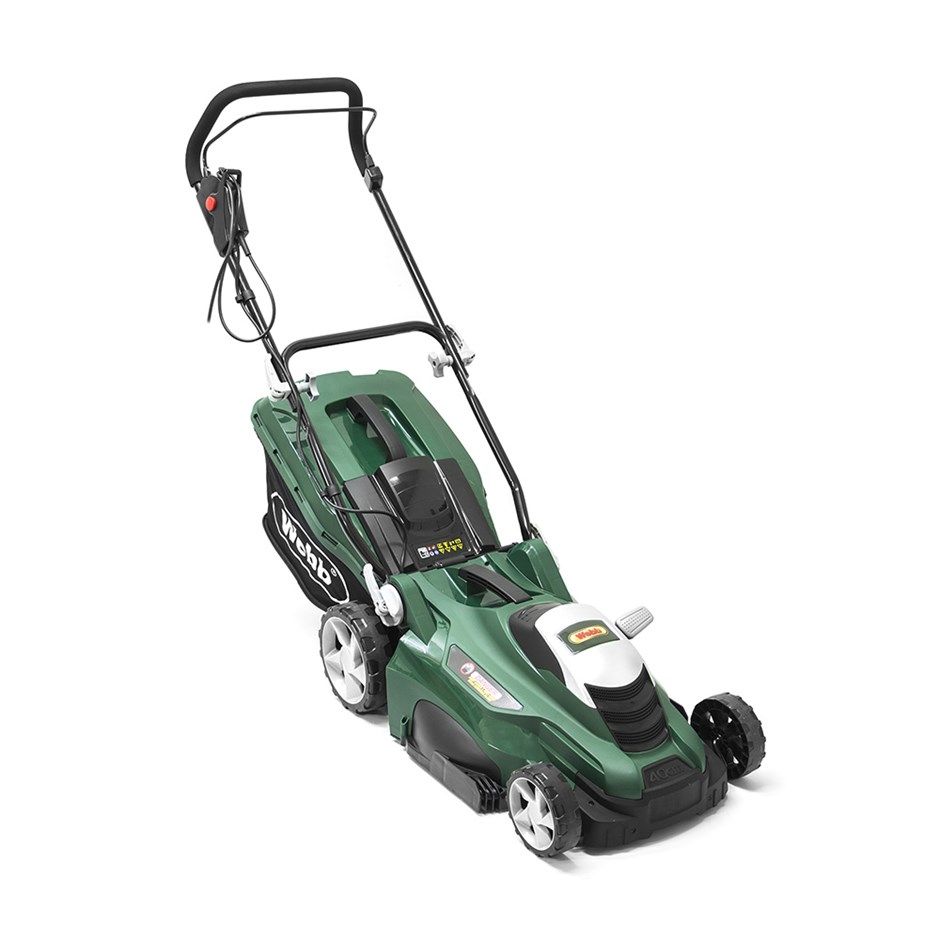
Webb electric rotary mower ER40 15"
Opt for a more eco-friendly electric lawnmower as opposed to a petrol one.
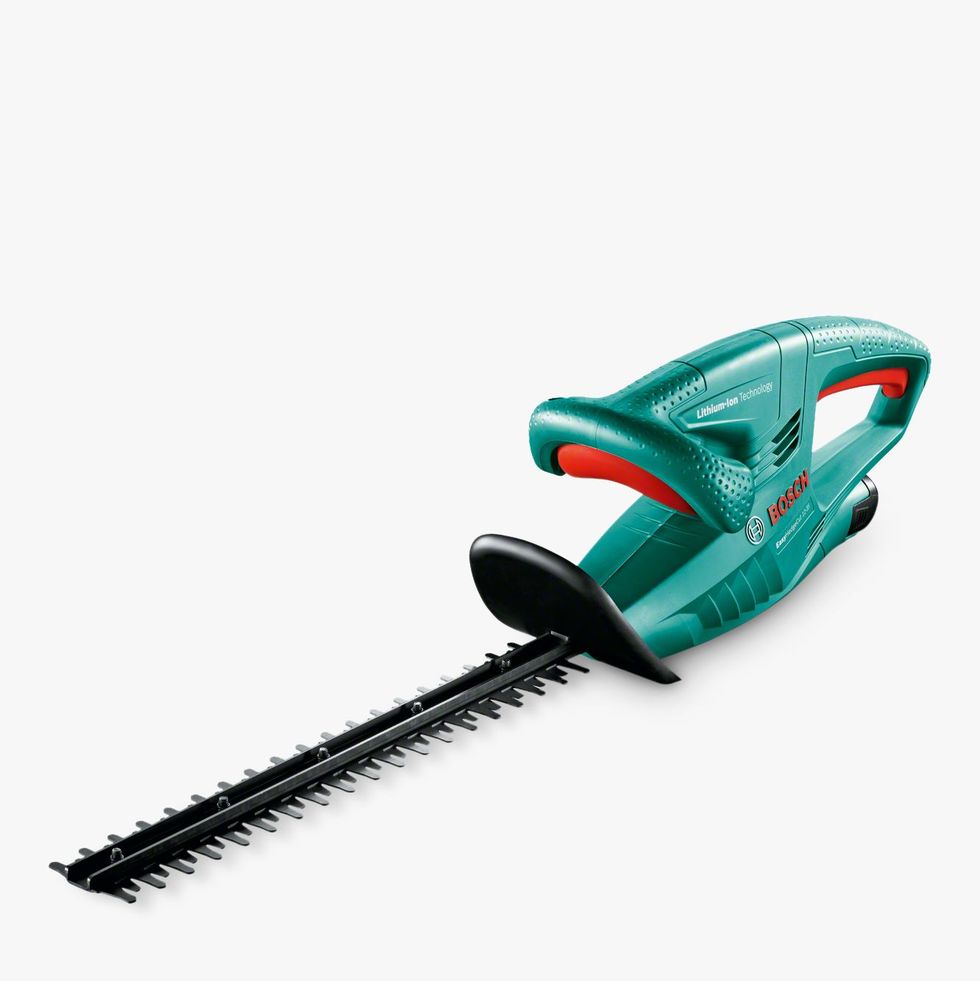
Ensyure your hedges and borders looks super-smart with an easy-lift, lightweight, cable-free trimmer for quick and easy grooming.
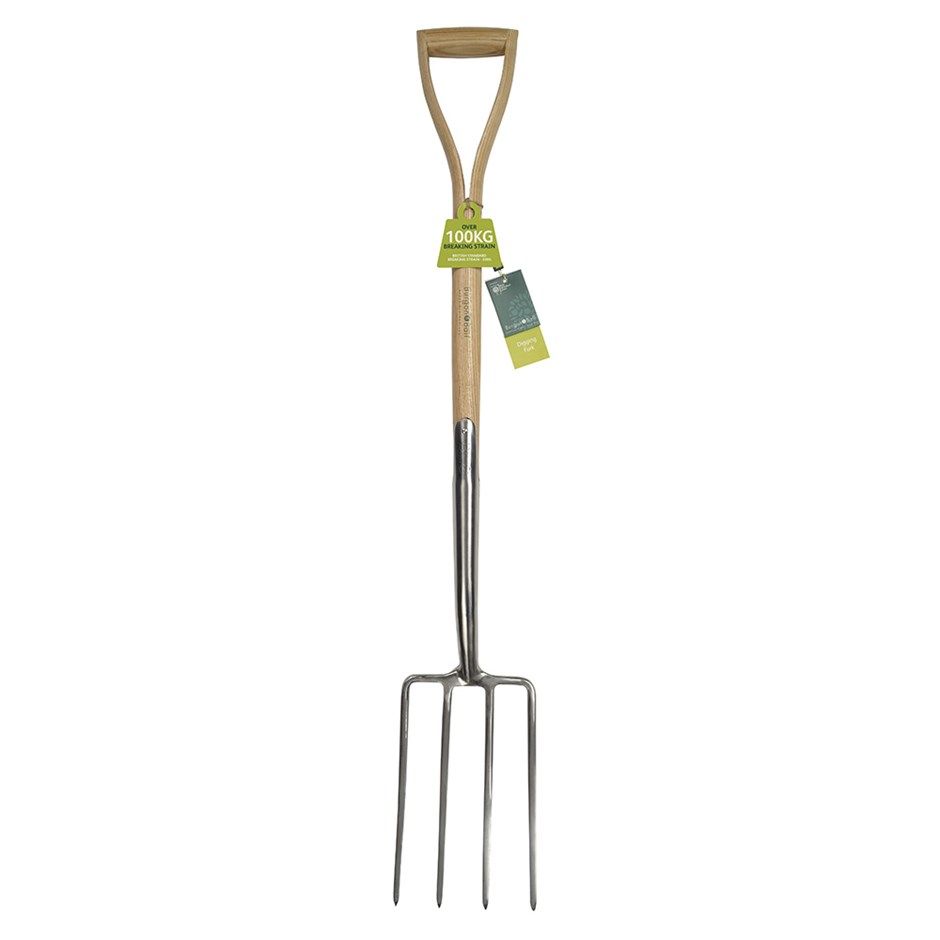
RHS Burgon and Ball stainless steel digging fork
An efficient tool for turning soil, garden forks can dig into dense soil better than a spade. This one made from rust-proof stainless steel with forged tines for extra strength, is a high-quality digging fork that's endorsed by the RHS. Need we say more?

personalised Personalised Fork And Trowel Gardening Set For Gardener
This personalised fork and trowel set is the perfect gift for your gardening-loving friend.
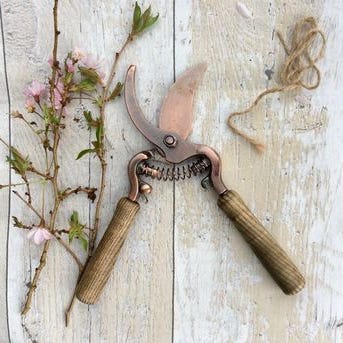
Personalised Copper Plated Garden Pruner Secateurs
Plants taking over? Pruning shears, or secateurs as they're also known, help reign in plants that are getting out of control. They're also perfect for trimming flowers, like roses. Why not match yours to your hand trowel and fork for stylish trio?
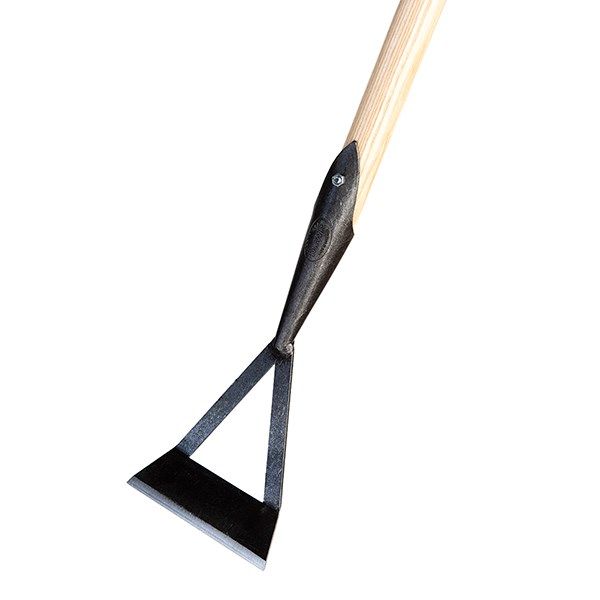
This well-crafted garden hoe will make light work of clearing weeds from your flower beds, borders and veg plots. The extra-long handle will also protect you from back strain.
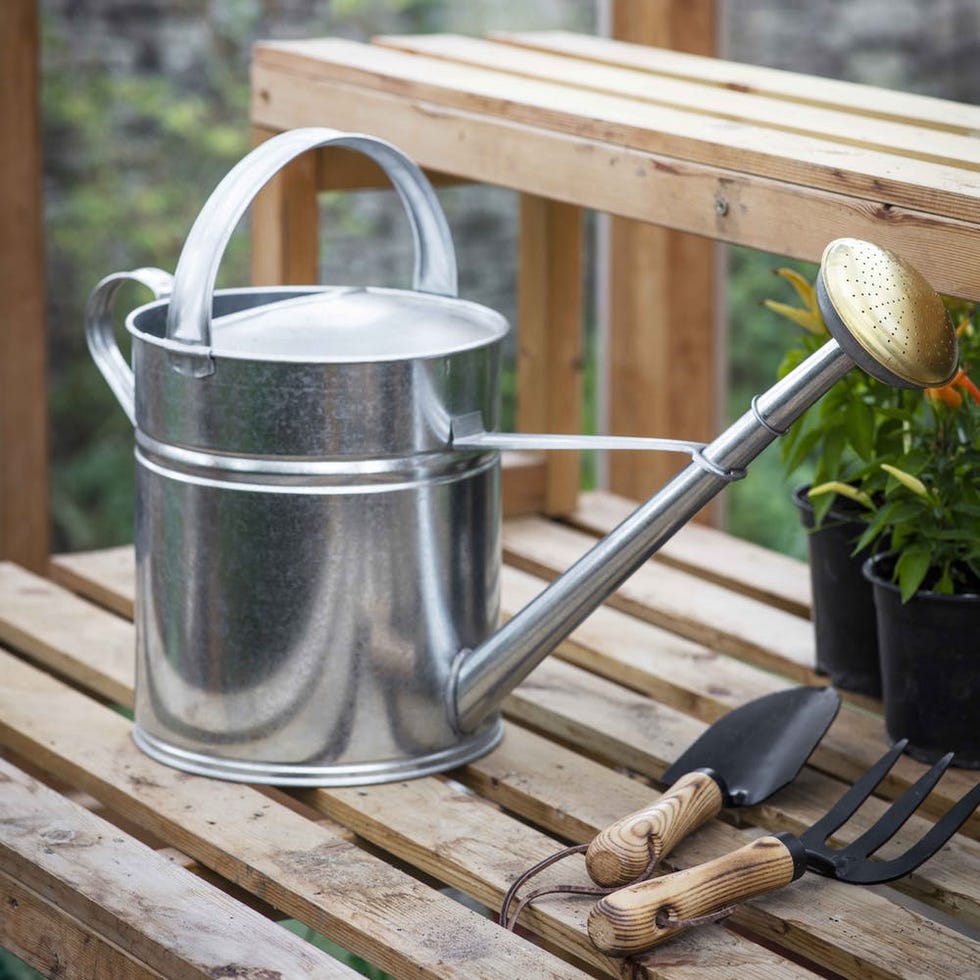
All gardens need a trusty watering can to keep flowers and plants thriving. This durable one is available in three sizes, so you can choose the one to suit your outdoor space. The 1.5L is perfect for herb pots on plant stands. The 5L for small gardens with plant pots and flowers. And the biggest, the 10L for vast rural flowerbeds and herb gardens.
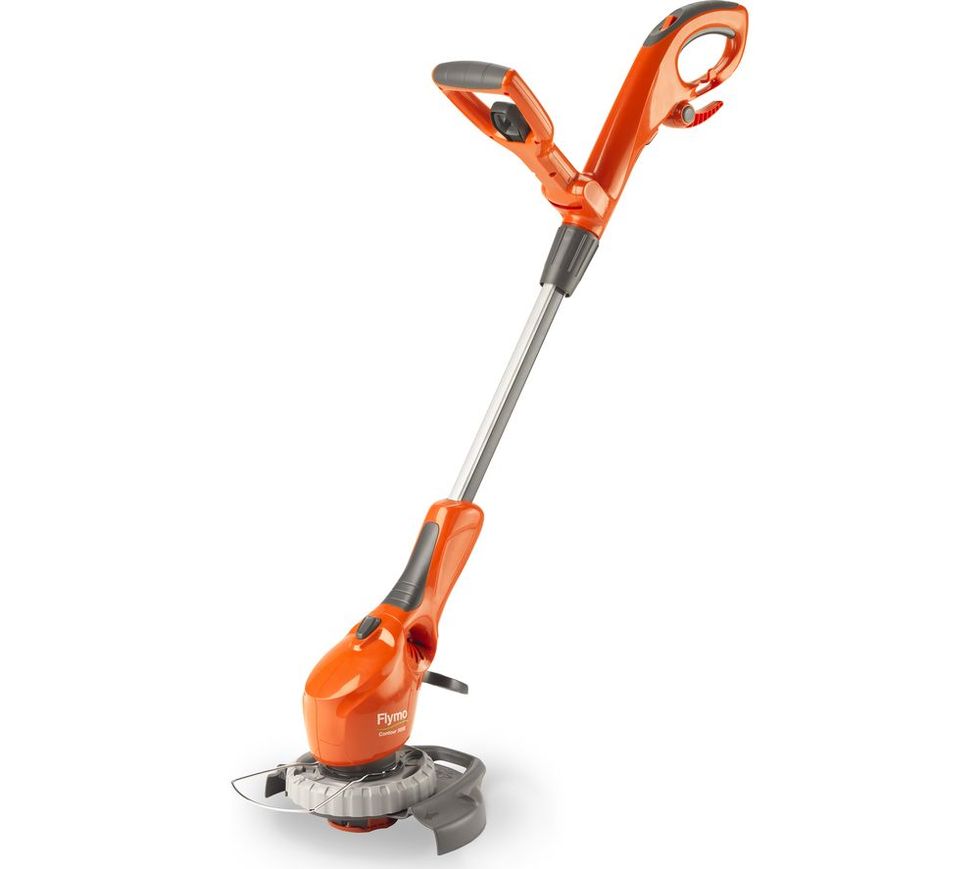
Tackle a variety of different tasks around your garden with ease with the simple press of a button. This handy trimmer can be used to edge the borders of your lawn, and a wheel is fitted to the trimmer, making it easier to follow the edges around walls and fences. There's also a shrubbing mode, making it simple to tackle difficult-to-reach areas, like under benches and bushes.
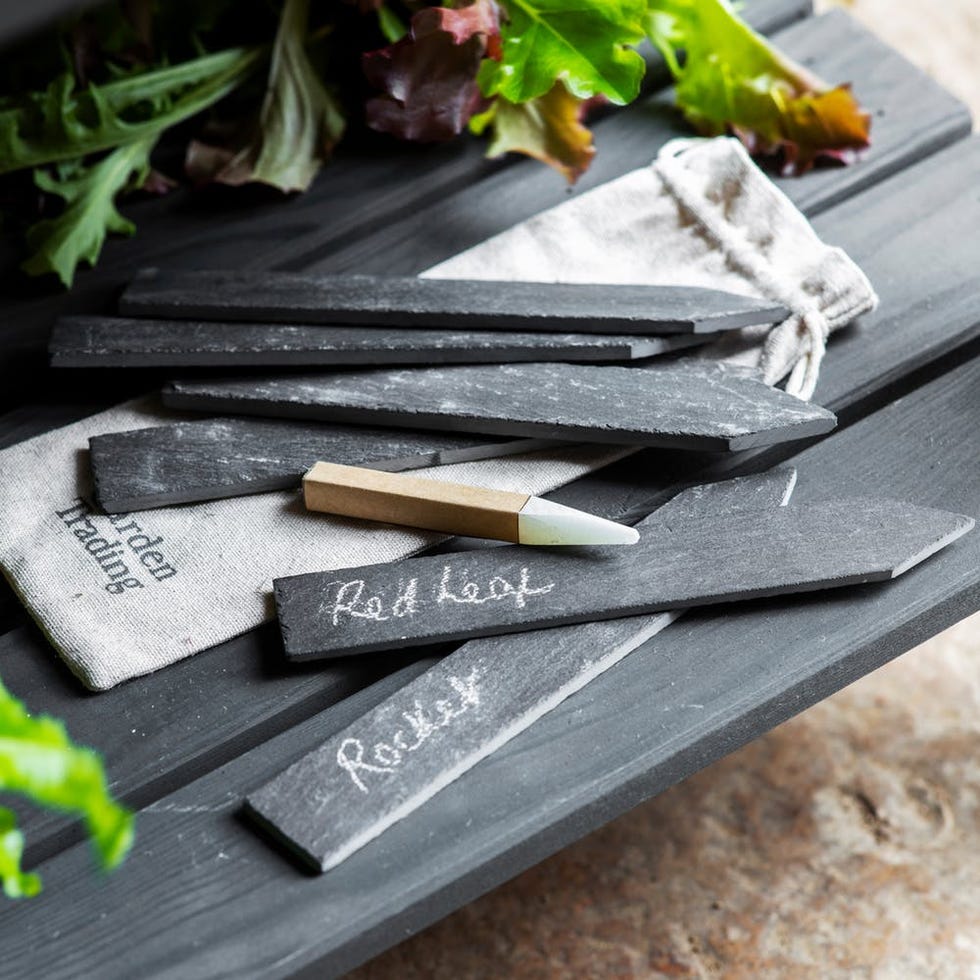
Keep track of what you've planted with these stylish slate plant labels. The set comes complete with a square soapstone pencil, which allows you to interchange the labels with what's in season or current family favourites
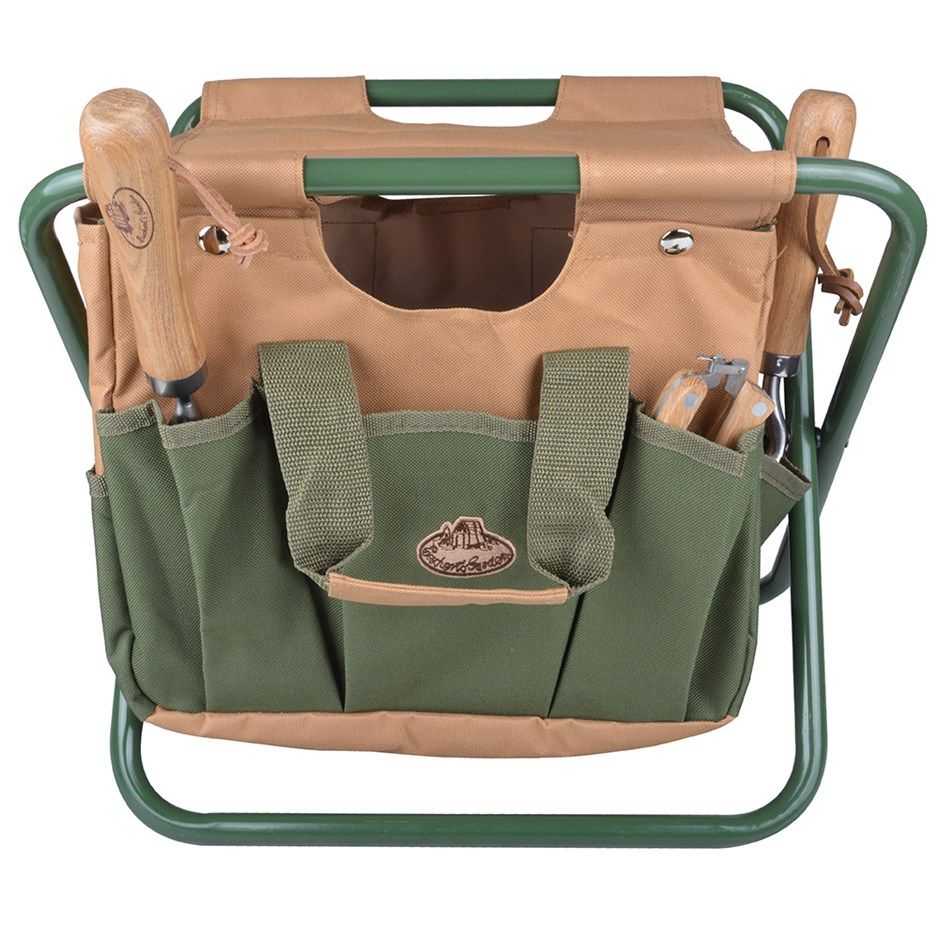
Keep everything together in a clever storage box that also doubles up as a foldable seat. You'll enjoy gardening so much more if you're comfortable and everything is to hand. The removable bag fastens with press studs and includes spacious side compartments for hand tools, dibbers, pens, string, and other necessities, and a central section perfect for larger items or a spot of lunch.
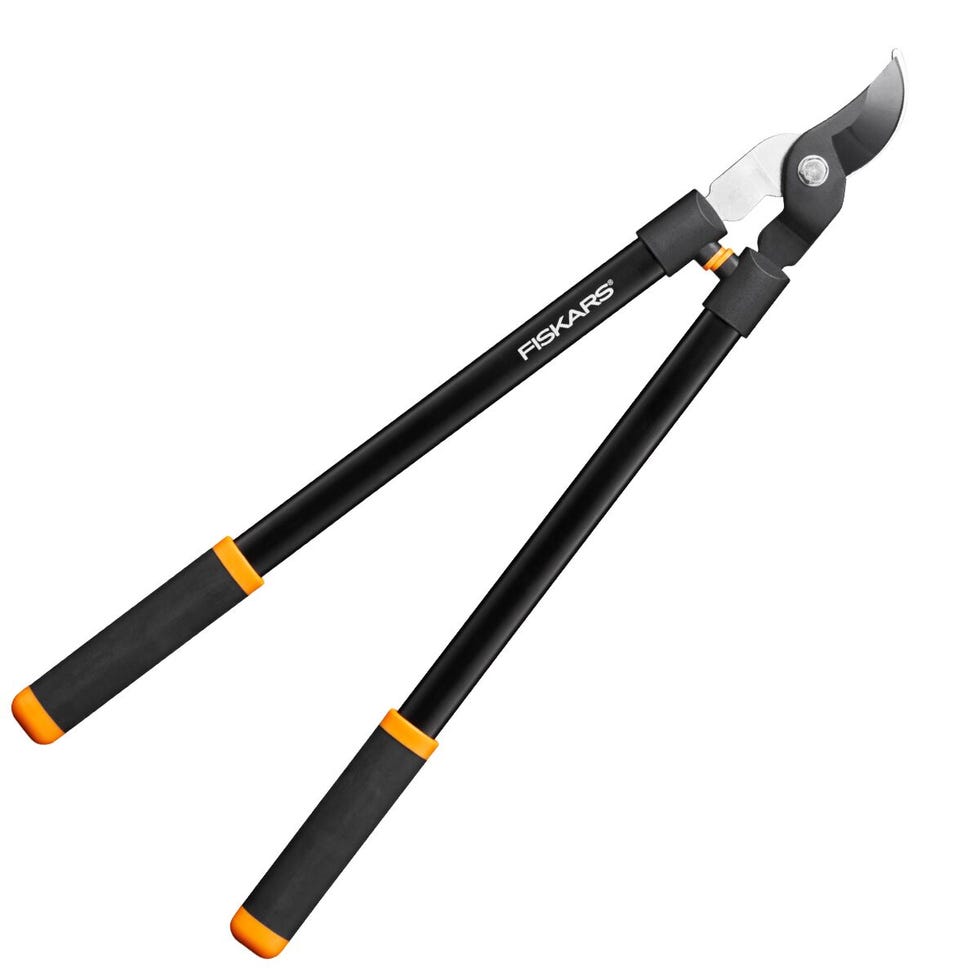
Another handy cutting tool, loppers are basically long-handled pruning shears used to trim hard-to-reach areas and cut thicker branches.

RSPB Garden wildlife camera - new
Don't miss the incredible action going on in your own garden. A good wildlife camera will capture all the exciting activity. This one from RSPB can be used to view anything from birds on a feeder, bird tables and nest box entrances, to hedgehogs and other nocturnal wildlife. It can also even be used to keep an eye on the garden or house as a security camera.
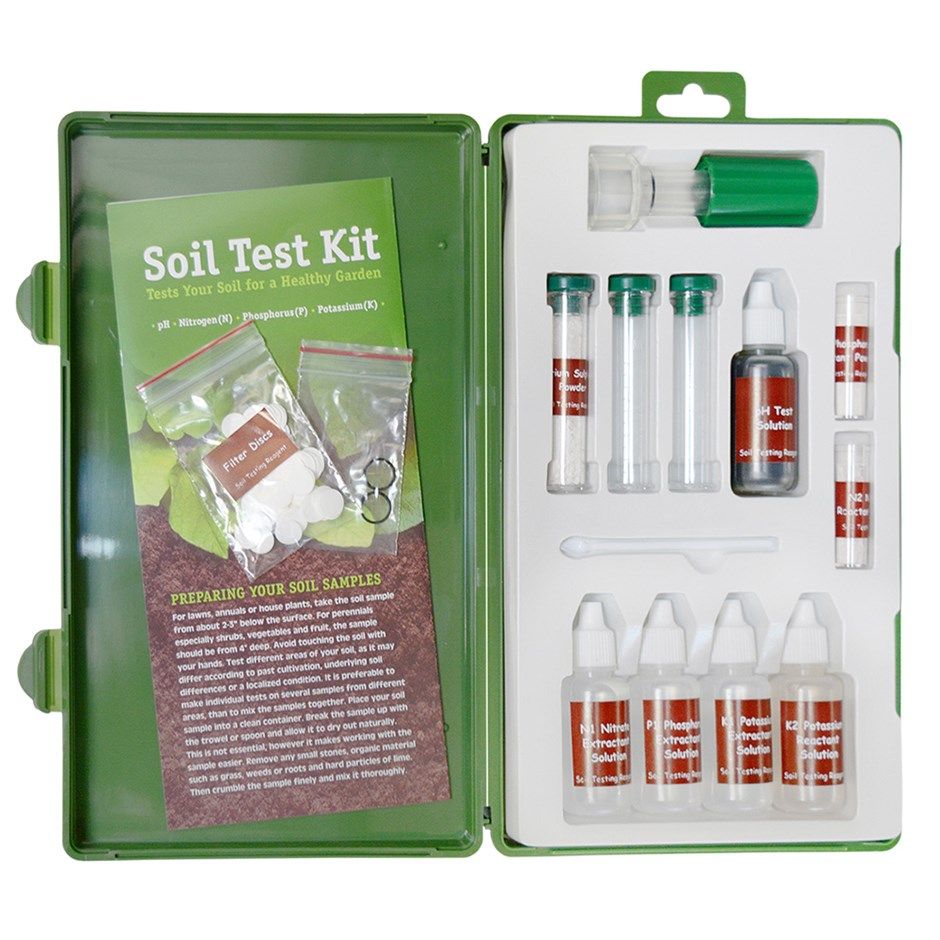
Maintain an ideal growing environment with an easy-to-use soil tester kit. You can test the pH and nutrient profile of your soil, think soil acidity and levels of nitrogen, phosphorus and potash, to see if it needs extra help.
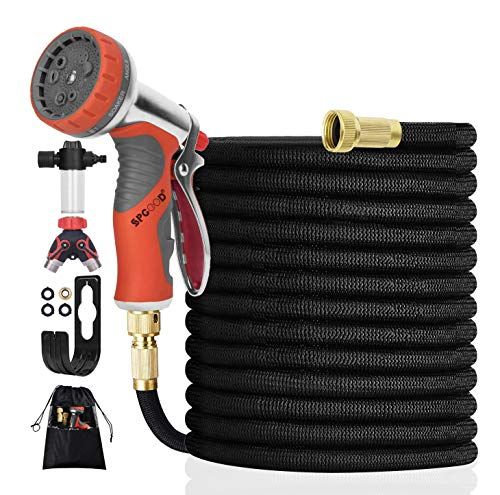
SPGOOD 50FT/15M Expanding Garden Hose Set with Splitter, Foam Water Bottle Expandable Garden Hose, 9 Futions Spray
Water is the foundation of your garden’s life and it’s important that your garden hose can reach and spray every area. If you buy one with an adjustable nozzle, it puts you in control of the water pressure and spray radius. You can also buy nozzles separately.
Lisa Joyner is the Deputy Daily Editor at House Beautiful UK and Country Living UK, where she's busy writing about home and interiors, gardening, dog breeds, pets, health and wellbeing, countryside news, small space inspiration, and the hottest properties on the market. Previously, she has written for Conde Nast Traveller, House & Garden and Marie Claire magazine. Lisa studied at University For The Creative Arts, where she completed a BA in Fashion Journalism.


